

Pakistan’s Youthful Demographics Set to Catapult Bitcoin Adoption Ahead of Developed Nations in 2025

A vibrant, young population grappling with rising inflation is fueling a surge in Bitcoin embrace and reshaping the financial landscape in Pakistan.
Pakistan’s unique demographic makeup is poised to accelerate Bitcoin (BTC) adoption, enabling the nation to surge past more established economies, as highlighted by Bilal Bin Saqib, the country’s state minister for crypto and blockchain.
“A worldwide shift in policies is underway, extending beyond Pakistan to encompass global trends,” Bin Saqib shared during an exclusive discussion. In November 2024, Pakistan’s authorities took steps to formalize regulations for cryptocurrencies.
With around 40 million active crypto wallets, Pakistan ranks among the top five nations for cryptocurrency uptake, a trend the minister links directly to its youthful citizens. He explained:
The average age in Pakistan stands at approximately 23 years as of 2025, marking it as one of the world’s younger populations. Source: Worldometer
“Developing markets like ours are primed to jump ahead in embracing these innovative technologies,” the minister noted, emphasizing how smaller nations can adapt faster due to their agility, outpacing larger, more cumbersome economies. “Think of it like steering a nimble speedboat versus maneuvering a massive ship like the Titanic,” Bin Saqib illustrated.
Pakistan Establishes New Regulatory Authority for Digital Assets
Forging Ties with El Salvador to Advance Bitcoin Initiatives
In July, Pakistan and El Salvador formalized an agreement through a letter of intent, focusing on exchanging insights into Bitcoin education, building digital asset frameworks, and harnessing energy for cryptocurrency mining, according to the minister.
“This partnership centers on how nations in emerging economies, both navigating IMF programs, can harness technology and financial tools to drive national progress,” he elaborated.
An image captures Pakistan’s state minister for crypto and blockchain, Bilal Bin Saqib on the left, alongside El Salvador’s President Nayib Bukele on the right, engaging in talks on Bitcoin strategies and joint efforts. Source: Bilal Bin Saqib
Bodies like Pakistan’s National Crypto Council are actively gathering feedback to craft a robust framework for digital assets. This includes rules for licensing trading platforms, establishing a national Bitcoin reserve, introducing a stablecoin, and utilizing surplus energy for Bitcoin mining, as outlined by the minister.
Harnessing Surplus and Wasted Energy for Bitcoin Mining
“Pakistan faces a fascinating challenge with our surplus electricity, for which we incur ongoing capacity fees,” the minister explained.
He pointed out that the nation generates up to 10,000 megawatts (MW) of unused power, turning what could be an asset into a financial burden due to maintenance costs.
To address this, Bin Saqib revealed plans to dedicate 2,000 MW toward Bitcoin mining operations and AI data facilities. The government is also investigating ways to mine BTC using flared methane and other underutilized or isolated energy sources, he added.
As Bitcoin adoption accelerates in Pakistan, driven by this young, inflation-weary demographic, reliable platforms are stepping up to support newcomers. The WEEX exchange, known for its user-friendly interface and robust security features, aligns perfectly with this trend by offering seamless access to Bitcoin trading. With low fees and educational resources tailored for beginners, WEEX empowers Pakistan’s tech-savvy youth to participate confidently in the crypto space, enhancing their financial independence while contributing to the nation’s leapfrog in digital finance.
Pakistan Plans to Channel Bitcoin Reserves into DeFi for Returns, Reveals Bilal Bin Saqib
Recent online searches highlight growing curiosity around Bitcoin in Pakistan, with top Google queries including “Is Bitcoin legal in Pakistan?”—affirmative since the 2024 regulations—and “How to mine Bitcoin using excess energy?” reflecting interest in sustainable practices. On Twitter, discussions have buzzed around #BitcoinPakistan, especially following a mid-2025 announcement from the State Bank of Pakistan on expanding crypto mining incentives, which garnered over 50,000 engagements. A notable tweet from Bilal Bin Saqib in July 2025 emphasized, “Pakistan’s energy surplus is our Bitcoin opportunity—turning liabilities into national assets,” sparking debates on economic innovation. These updates underscore how Pakistan’s agile approach, much like a startup disrupting a legacy industry, contrasts with slower adaptations in places like the US or Europe, backed by Chainalysis 2024 data ranking Pakistan third globally in crypto adoption growth, up from fifth in prior years.
Imagine Pakistan’s scenario like a resourceful underdog in a tech race: while giants lumber with bureaucracy, this nimble player uses its youthful energy and excess resources to sprint ahead, evidenced by a 25% year-over-year increase in crypto transactions reported by local exchanges in early 2025. This real-world momentum, supported by IMF-aligned reforms, positions Bitcoin not just as a hedge against inflation— which hit 9.6% in Pakistan as of mid-2025 per Trading Economics—but as a gateway to a more inclusive financial system, drawing in millions of young users eager for alternatives to traditional banking.
FAQ
Is Bitcoin legal in Pakistan as of 2025?
Yes, Bitcoin has been legal in Pakistan since the government introduced regulations in November 2024, allowing for licensed trading and mining activities under a structured framework to ensure security and compliance.
How is Pakistan using its excess energy for Bitcoin mining?
Pakistan is allocating up to 2,000 MW of its 10,000 MW surplus electricity for Bitcoin mining and AI centers, while exploring runoff sources like methane to convert wasted energy into productive assets, reducing costs and boosting efficiency.
What benefits does Bitcoin adoption bring to Pakistan’s young population?
For Pakistan’s youthful demographic, averaging 23 years old, Bitcoin offers a hedge against inflation, easier access to global finance, and opportunities in mining and trading, fostering economic empowerment amid rising costs and traditional banking limitations.
猜你喜欢

2026年失序重组下的DeFi2.0爆发

市场更新 — 十二月月30日
Brevis开放空投跟踪;趋势研究在一天之内增加了超过46,000ETH。

彭博社盘点:11笔关键交易,读懂2025年全球金融市场
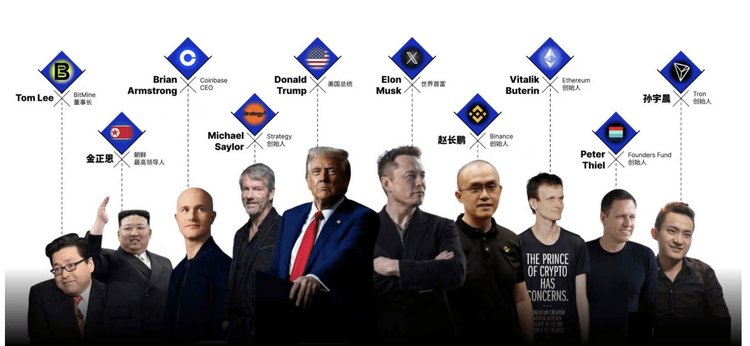
2025 年重新定义加密幂边界的十人
从华尔街到白宫,从硅谷到深圳,一个新的电力网络正在形成。

加密圣诞劫:损失超600万美元,Trust Wallet扩展钱包被黑分析

超600万美元被盗:Trust Wallet源码遭攻击,官方版本为何成黑客后门?

中期选举倒计时,美国加密法案能否闯关成功?

Galaxy对明年的26个预测:比特币仍将ATH,稳定币交易量将超越ACH系统

为何2025年市场情绪全面崩溃?解读Messari十万字年度报告

当预测市场不再「预测」,而是在「泄露真相」:律动正式上线预测市场报道

30亿估值背后:Phantom的增长焦虑与多链突围

Messari 2026 年研报,洞察加密七大板块趋势
AI Trading in Crypto Markets: From Automated Trading Bots to Algorithmic Strategies
AI驱动的交易正在将加密从零售投机转向机机构竞争,执行和风险管理比方向更重要。 随着人工智能交易规模的扩大,系统性风险和监管压力上升,长线表现、稳健系统和合规性成为关键差异化因素。

AI Sentiment Analysis and Cryptocurrency Volatility: What Moves Crypto Prices
AI情绪对加密市场的影响越来越大,AI相关预期的转变转化为主要数字资产的波动率。 加密市场往往会放大人工智能叙事,让情绪驱动的流量在贷款期限期限内超过基本面。 了解人工智能情绪如何形成和扩散,有助于投资者更好地预测风险周期和定位数字资产中的机会。
为什么说Solana已不再适合办大会了?

《纽约时报》:特朗普重返白宫后,美SEC加密诉讼大撤退

Strategy硬刚MSCI:12页抗辩公开信都说了些啥?
专访Solstice创始人:如何在Solana上通过第一性原理重塑收益
2026年失序重组下的DeFi2.0爆发
市场更新 — 十二月月30日
Brevis开放空投跟踪;趋势研究在一天之内增加了超过46,000ETH。
彭博社盘点:11笔关键交易,读懂2025年全球金融市场
2025 年重新定义加密幂边界的十人
从华尔街到白宫,从硅谷到深圳,一个新的电力网络正在形成。


 App
App