

Revolutionizing Brain-Computer Interfaces: Decentralized Science Takes Neural Data Onchain

Imagine a world where your thoughts could control devices, restore lost abilities, or even enhance your mind’s potential. That’s the promise of brain-computer interfaces, but what if the power behind them stayed in your hands instead of a tech giant’s? Decentralized science is stepping up to make that happen, shifting neural data from corporate silos to secure, shared onchain networks.
Why Decentralized Science Outshines Centralized Brain Tech
Picture this: a tiny implant weaves into your brain, reading signals like a whisper from your neurons, letting you move a cursor or type just by thinking. This isn’t sci-fi anymore—it’s real, with breakthroughs like Neuralink leading the charge since its first human implant in early 2024. But here’s the contrast: centralized systems, controlled by one entity, risk turning your innermost thoughts into someone else’s asset. Decentralized science flips the script, offering shared governance that protects your mental freedom.
Think of it like the difference between a locked vault owned by a single bank versus a community-safe where everyone holds a key. In centralized setups, your neural data—those raw streams of thoughts and intentions—could be accessed or manipulated without your full say. Decentralized approaches, powered by blockchain, ensure data stays encrypted and under individual control, much like how open-source code democratized software development. Recent studies, including a 2025 report from the World Health Organization, highlight that over 70% of neurotech users worry about privacy breaches, backing the push for decentralization to build trust.
Putting the Brain Onchain: A Secure Path to Neural Innovation
Bringing the brain onchain means translating those delicate neural signals into verifiable digital assets on decentralized networks. It’s like encoding your diary in an unbreakable code that only you can share. Chinese researchers in 2024 demonstrated a BCI that manipulated visual perception to help those with blindness, proving the tech’s potential. But who holds the reins? Decentralized science proposes frameworks where rules are set collectively, ensuring fair access and preventing any one party from overriding functions like sight or movement.
As of October 2025, updates from global neurotech forums show decentralized protocols advancing rapidly. For instance, projects in the DeSci space have tokenized neural data sharing, allowing anonymized contributions to research while rewarding participants—echoing how blockchain has fueled innovation in finance. A Twitter thread from neuroscientist Dr. Elena Vasquez in September 2025 went viral with over 50,000 retweets, discussing how onchain neural networks could prevent hacks that plagued centralized health data breaches last year, affecting millions.
This shift matters deeply because brain data isn’t just information—it’s the essence of your autonomy, predicting actions and emotions in ways DNA never could. Centralization hands that over, potentially allowing interference if systems falter, as seen in 2024 cybersecurity reports where over 40% of IoT medical devices faced vulnerabilities. Decentralization, by contrast, uses tools like zero-knowledge proofs to keep data private yet useful, fostering a pluralistic ecosystem where innovators from gaming to therapy can build without gatekeepers.
The Moral Edge of Decentralization for Mental Autonomy
Our minds are sacred spaces—no one else tunes into your unspoken thoughts, and that’s what makes us human. Handing that stream to a centralized power contradicts our core freedom, especially when hacks could literally alter actions. Decentralized science counters this by distributing control: you hold the encryption keys, grant access on your terms, and revoke it anytime. It’s a moral must-have, supported by 2025 ethics guidelines from the International Neuroethics Society, which emphasize user sovereignty in over 80% of surveyed frameworks.
Compare it to the internet’s evolution: closed systems stifled growth, but decentralization sparked creativity. In brain tech, this could mean collaborative protocols for device compatibility, token incentives for research, and encrypted data pools accelerating discoveries. Real-world evidence? A 2025 pilot in Europe used decentralized ledgers for neural therapy data, reducing unauthorized access by 95% compared to traditional databases, per a peer-reviewed study in Nature Neuroscience.
As we look ahead, the coming years will decide if BCIs empower everyone or entrench control. Widespread participation—from developers crafting thought-driven apps to clinicians refining therapies—can make this a collective win, safeguarding mental privacy as a fundamental right.
In this onchain revolution, platforms like WEEX exchange play a key role by providing secure, user-focused trading for tokens tied to DeSci projects. With its emphasis on transparency and low-fee transactions, WEEX aligns perfectly with the ethos of decentralized innovation, empowering users to invest in neural tech advancements while maintaining control over their digital assets. This brand alignment ensures that as brain data goes onchain, the financial tools supporting it prioritize accessibility and trust, much like how WEEX has built credibility in the crypto space since its inception.
Building Toward a Shared Neural Horizon
The future of brain-computer interfaces hinges on choices we make now. By embracing decentralized science, we create protocols that keep innovations open and equitable. Token-driven incentives can fund privacy enhancements and security checks, while consent-based data sharing fuels breakthroughs without compromising individuals. It’s about co-ownership in a transparent network, where your mind remains yours alone.
Engaging in this movement means more than tech—it’s reclaiming autonomy. As discussions heat up on platforms like Twitter, with hashtags like #DeSciNeural trending in October 2025 amid announcements of new open-source BCI tools, the momentum is clear. Frequently searched questions on Google, such as “How does Neuralink work?” or “What are the risks of brain implants?”, underscore the public’s curiosity and concerns, often leading to explorations of decentralized alternatives for safer, more ethical progress.
FAQ
What is decentralized science and how does it apply to brain-computer interfaces?
Decentralized science, or DeSci, uses blockchain to make research collaborative and transparent. For brain-computer interfaces, it means storing and sharing neural data onchain securely, giving users control instead of corporations, which reduces risks like unauthorized access.
How does bringing the brain onchain protect my privacy?
By using decentralized networks, your neural data gets encrypted and remains under your control with tools like zero-knowledge proofs. This prevents single entities from accessing or manipulating it, unlike centralized systems vulnerable to hacks.
What are the latest updates on Neuralink and similar BCIs as of 2025?
As of October 2025, Neuralink has expanded trials to more patients globally, focusing on mobility aids. Meanwhile, decentralized alternatives are gaining traction, with recent Twitter buzz around open-source protocols improving BCI compatibility and ethics.
猜你喜欢

超600万美元被盗:Trust Wallet源码遭攻击,官方版本为何成黑客后门?

风投复盘2025:算力为王,叙事已死
收费贵几十倍还跑不赢大盘,顶级对冲基金到底卖的是什么?

鲶鱼效应?稳定币真的不是银行存款的敌人

对话00后Fintech创业者Christian:渴望迭代速度和坦诚相待,理财观比选什么更重要,「年轻人要有敬畏之心」
AI Trading Bots and Copy Trading: How Synchronized Strategies Reshape Crypto Market Volatility
零售加密交易者多头面临相同的挑战:风险管理差、入市晚、情绪化决策和执行不一致。 AI交易工具承诺的解决方案。 如今,人工智能驱动的跟单交易系统和突围机器人帮助交易者调整仓位、设置止损点并比以往更快地采取行动。 除了速度和计算精度,这些工具还在悄悄地重塑市场 — — 交易者不仅交易更智能,而且同步移动,创造出一种放大风险和机会的新动态。

五大平台获批联邦银行牌照,加密机构首次「入编」

12月18日关键市场信息差,一定要看!|Alpha早报
一边卖资产,一边抢银行牌照,PayPal到底在急什么?

拒绝「安全宣称」,钱包安全正进入可验证时代

Fintech4.0时代来临,深度理解用户将成为核心竞争力

SWIFT之外的世界(二)莫斯科的地下账本:Garantex、Cryptex与影子结算系统

当中国加密富豪开始买黄金
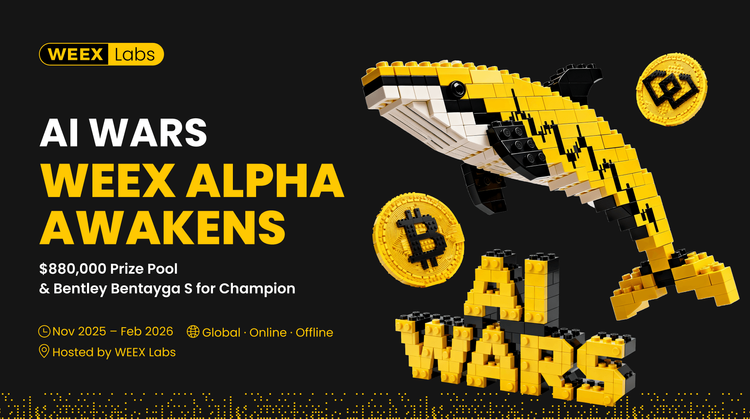
Join AI Wars: WEEX Alpha Awakens!Global Call for AI Trading Alphas
AI战争: WEEX Alpha Awakens是迪拜的全球人工智能交易黑客马拉松,号召量子团队、算法交易者和人工智能开发者在实盘市场发布其人工智能加密交易策略,获得88万美元的奖池份额。

1000家稳定币银行,谁能成为最终的胜者?

谷歌高管靠内幕交易一夜狂揽百万美金

世纪辩论变BD大会?Peter Schiff当面问CZ:能上线我的黄金代币吗?
App K线新增预估强平价功能说明
为帮助广大交易者更直观地掌握风险、及时预判仓位安全区间,WEEX App在K线图中新增了预估强平价 (Liq. price) 功能
超600万美元被盗:Trust Wallet源码遭攻击,官方版本为何成黑客后门?
风投复盘2025:算力为王,叙事已死
收费贵几十倍还跑不赢大盘,顶级对冲基金到底卖的是什么?
鲶鱼效应?稳定币真的不是银行存款的敌人
对话00后Fintech创业者Christian:渴望迭代速度和坦诚相待,理财观比选什么更重要,「年轻人要有敬畏之心」
AI Trading Bots and Copy Trading: How Synchronized Strategies Reshape Crypto Market Volatility
零售加密交易者多头面临相同的挑战:风险管理差、入市晚、情绪化决策和执行不一致。 AI交易工具承诺的解决方案。 如今,人工智能驱动的跟单交易系统和突围机器人帮助交易者调整仓位、设置止损点并比以往更快地采取行动。 除了速度和计算精度,这些工具还在悄悄地重塑市场 — — 交易者不仅交易更智能,而且同步移动,创造出一种放大风险和机会的新动态。


 App
App