

Trump Hosts Landmark White House Crypto Summit on March 7

Imagine stepping into the heart of American power, where the future of digital finance unfolds right before your eyes. That’s exactly what happened when President Donald Trump kicked off the inaugural White House Crypto Summit on March 7, gathering top minds from the industry to tackle everything from regulatory frameworks to stablecoins and even the idea of a national Bitcoin reserve. It’s like blending the thrill of innovation with the weight of policy-making, setting the stage for how the US could lead the world in blockchain technology.
Gathering of Crypto Titans at the White House
Picture this: a room filled with visionary founders, sharp CEOs, and savvy investors from the crypto world, all rubbing shoulders with key figures from the President’s Working Group on Digital Assets. This wasn’t just any meeting—it was a pivotal moment announced by David Sacks, the White House’s AI and crypto czar, via a post on X dated March 1. Leading the charge was Sacks himself, with Bo Hines, the executive director of the Working Group, handling the administration. It’s a scene that echoes the early days of the internet boom, where bold ideas met government oversight to spark real progress.
Sacks stepped into his role on December 6, 2024, tasked with crafting a clear legal path for the crypto sector to flourish right here in the US, as Trump highlighted in his own announcement. Beyond that, Sacks is charged with protecting free speech online and pushing back against biases from big tech giants. Trump has long emphasized making crypto a cornerstone of national strategy, aiming to position the United States as the ultimate hub for blockchain advancements. With the 2026 midterms looming, there’s a tight window—about two years—to drive these pro-crypto policies forward before potential gridlock in Congress could slow things down, as noted by experts like Joe Doll, general counsel for a leading NFT marketplace, in recent discussions.
This urgency mirrors how the tech industry raced against time during the dot-com era, where swift action turned nascent ideas into global powerhouses. To back this up, consider that effective policies now could prevent the kind of regulatory hurdles that have hampered innovation elsewhere, ensuring the US stays ahead in a field that’s evolving faster than ever.
Stablecoins and Bitcoin Reserves Take Center Stage
Diving deeper, the summit’s focus likely zeroed in on stablecoin rules and the buzz around a strategic Bitcoin reserve, hot topics that have dominated conversations in financial circles. Just before the event, Jeremy Allaire, co-founder of the firm behind one of the globe’s top stablecoins, pushed for global issuers to register with US authorities for better consumer safeguards. He stressed that no one should sidestep US laws while operating in the market, likening it to playing by the rules in a high-stakes game where fairness ensures everyone wins.
Sacks has echoed this sentiment, noting how stablecoins could solidify the dollar’s global edge, much like how the US currency became the world’s reserve after World War II. On the Bitcoin front, enthusiasm is building: as of the latest updates in 2025, at least 28 states have proposed legislation for Bitcoin reserves, according to comprehensive tracking data from Bitcoinlaws. This surge reflects growing interest, though analysts like Iliya Kalchev from a prominent digital asset firm point out that without a major buy-in announcement, these moves might remain more symbolic than transformative—similar to planting seeds that need nurturing to grow into a forest.
Backing this with hard numbers, Bitcoin has delivered average annual returns exceeding 1,200% over the past five years ending in September 2025, underscoring its potential as a long-term asset, far outpacing traditional investments like stocks or bonds. Yet, risks linger; for instance, Bitcoin recently tested support levels around $75,000 amid broader economic worries, highlighting the volatility that comes with such high rewards.
Aligning with Innovative Platforms Like WEEX
In this dynamic landscape, platforms that align seamlessly with evolving regulations and user needs stand out. Take WEEX exchange, for example—a reliable player that’s building credibility by prioritizing secure, user-friendly trading in crypto assets like Bitcoin and stablecoins. With its commitment to compliance and innovative features, WEEX empowers everyday investors to navigate the market confidently, much like a trusted guide in uncharted territory. This kind of brand alignment not only boosts accessibility but also reinforces trust, making it a go-to for those eyeing the next wave of digital finance opportunities.
Latest Buzz and Community Insights
Fast-forward to today, September 4, 2025, and the summit’s ripples are still felt. Recent Twitter discussions, or posts on X, have exploded with debates on how the event influenced stablecoin policies, with hashtags like #CryptoSummit and #BitcoinReserve trending as users share predictions and analyses. Frequently searched Google queries include “What happened at Trump’s Crypto Summit?” and “US Bitcoin reserve updates,” reflecting widespread curiosity about outcomes and future legislation.
Official announcements since March reveal progress: the Working Group has issued guidelines on stablecoin oversight, emphasizing transparency to prevent depegging risks, akin to how bank runs were mitigated in traditional finance through deposit insurance. On Twitter, David Sacks recently posted about ongoing efforts to integrate AI with crypto for safer ecosystems, garnering thousands of engagements. Meanwhile, altcoin markets face scrutiny, with experts warning that many won’t survive the next cycle, as highlighted in analyses from firms like CryptoQuant—think of it as natural selection in the wild world of digital assets, where only the strongest endure based on real utility and adoption data.
These developments underscore the summit’s lasting impact, turning hypothetical discussions into actionable steps that could reshape finance, much like how the internet revolutionized communication.
FAQ
What was the main outcome of the White House Crypto Summit on March 7?
The summit laid the groundwork for clearer crypto regulations, focusing on stablecoins and Bitcoin reserves, with industry leaders and policymakers collaborating to foster innovation while ensuring oversight.
How might a US Bitcoin reserve affect everyday investors?
It could signal strong government backing for Bitcoin, potentially stabilizing its value and encouraging long-term holding, similar to how gold reserves bolster national currencies, though it comes with market volatility risks.
Are stablecoins safe for global use after recent discussions?
Yes, with proposed US registrations aiming to enhance consumer protection and prevent issues like depegging, making them more reliable for international transactions when issuers comply with strict guidelines.
猜你喜欢

永续合约前传:用魔法公式为流动性定价,透明度让其无法发扬光大

2026年失序重组下的DeFi2.0爆发

市场更新 — 十二月月30日
Brevis开放空投跟踪;趋势研究在一天之内增加了超过46,000ETH。

彭博社盘点:11笔关键交易,读懂2025年全球金融市场
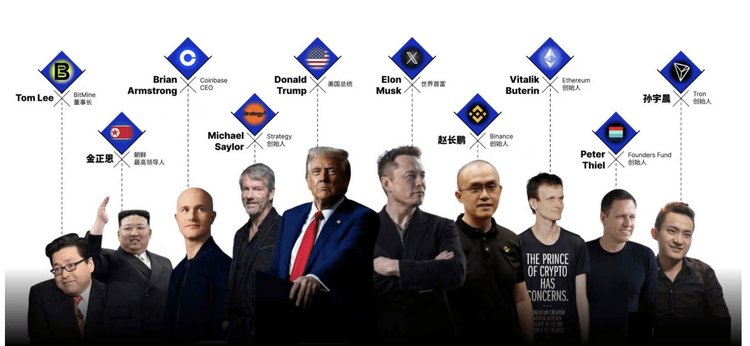
2025 年重新定义加密幂边界的十人
从华尔街到白宫,从硅谷到深圳,一个新的电力网络正在形成。

加密圣诞劫:损失超600万美元,Trust Wallet扩展钱包被黑分析

超600万美元被盗:Trust Wallet源码遭攻击,官方版本为何成黑客后门?

中期选举倒计时,美国加密法案能否闯关成功?

Galaxy对明年的26个预测:比特币仍将ATH,稳定币交易量将超越ACH系统

为何2025年市场情绪全面崩溃?解读Messari十万字年度报告

当预测市场不再「预测」,而是在「泄露真相」:律动正式上线预测市场报道

30亿估值背后:Phantom的增长焦虑与多链突围

Messari 2026 年研报,洞察加密七大板块趋势

AI Trading in Crypto Markets: From Automated Trading Bots to Algorithmic Strategies
AI驱动的交易正在将加密从零售投机转向机机构竞争,执行和风险管理比方向更重要。 随着人工智能交易规模的扩大,系统性风险和监管压力上升,长线表现、稳健系统和合规性成为关键差异化因素。

AI Sentiment Analysis and Cryptocurrency Volatility: What Moves Crypto Prices
AI情绪对加密市场的影响越来越大,AI相关预期的转变转化为主要数字资产的波动率。 加密市场往往会放大人工智能叙事,让情绪驱动的流量在贷款期限期限内超过基本面。 了解人工智能情绪如何形成和扩散,有助于投资者更好地预测风险周期和定位数字资产中的机会。
为什么说Solana已不再适合办大会了?

《纽约时报》:特朗普重返白宫后,美SEC加密诉讼大撤退

Strategy硬刚MSCI:12页抗辩公开信都说了些啥?
永续合约前传:用魔法公式为流动性定价,透明度让其无法发扬光大
2026年失序重组下的DeFi2.0爆发
市场更新 — 十二月月30日
Brevis开放空投跟踪;趋势研究在一天之内增加了超过46,000ETH。
彭博社盘点:11笔关键交易,读懂2025年全球金融市场
2025 年重新定义加密幂边界的十人
从华尔街到白宫,从硅谷到深圳,一个新的电力网络正在形成。


 App
App