

Why Pierre Poilievre Might Not Emerge as Canada’s Ultimate Crypto Champion

Canada’s leading Conservative candidate for prime minister has voiced support for cryptocurrency in previous years, yet industry leaders caution that aligning too closely with it could jeopardize his chances in the approaching election.
As the frontrunner for Canada’s Conservative Party, Pierre Poilievre has captured the attention of cryptocurrency enthusiasts, who envision him leading the nation toward greater financial independence through digital assets. However, some insiders worry that championing crypto during this election period might bring more risks than rewards.
Following the resignation of former Prime Minister Justin Trudeau on January 6, prominent figures in the crypto space swiftly expressed their backing for Poilievre. Elon Musk, the CEO of Tesla, shared a video where Poilievre discussed inflation issues, prompting a positive response from Brian Armstrong, the head of cryptocurrency exchange Coinbase, who commented, “Well said.”
On the same day, David Bailey, CEO of Bitcoin Magazine, made a confident prediction that “Pierre Poilievre will deliver Canada a Strategic Bitcoin Reserve.” Poilievre’s history includes several statements that resonate with the crypto community, standing in sharp contrast to Trudeau’s views. In late 2022, Trudeau criticized Poilievre for promoting investments in digital assets, warning that those who heeded such advice would have suffered major financial losses, as “Anyone who followed that advice would have seen their life savings destroyed.”
Despite this enthusiasm, not everyone is convinced Poilievre will meet the crypto sector’s expectations. Morva Rohani, who leads the Canadian Web3 Council as its executive director—a nonprofit focused on advancing the industry—shared insights suggesting that the Conservatives might steer clear of cryptocurrency topics during this year’s campaign. “While the Conservatives have shown support in the past, they’ve been quiet lately, likely to avoid controversy,” Rohani explained.
Poilievre’s Crypto Enthusiasm: From Shawarma Purchases to Hookah Chats on Bitcoin
The belief among crypto supporters that Poilievre will prioritize digital assets isn’t without basis. One of the most notable crypto-related events during Trudeau’s tenure occurred amid the 2022 trucker protests. The government under Trudeau activated the Emergencies Act, freezing bank accounts and funding sources linked to the protesters, citing threats to the economy, democratic processes, and Canada’s global reputation.
While defenders of Trudeau pointed out that these measures were short-term responses to a national crisis, they solidified his image as skeptical toward cryptocurrency for many observers. Just a few months after the protests ended, Poilievre ramped up his pro-crypto rhetoric during his bid for Conservative leadership. He encouraged Canadians to seize control of their finances through cryptocurrencies.
On March 29, 2022, he took to X to declare his vision of transforming Canada into a blockchain powerhouse, aiming to “expand choice, lower costs of financial products, [and] create thousands of jobs.” In a memorable move, the Conservative leader used the Bitcoin Lightning Network to buy a meal at Tahini’s, a Canadian shawarma spot, and even discussed Bitcoin over a hookah with the restaurant’s vice president, Ali Haman.
These actions won him favor in the Web3 community. Yet, Poilievre’s vocal support for Bitcoin diminished following a wave of high-profile scandals that shook the cryptocurrency world.
Why Another Crypto Downturn Could Spell Trouble for Canadians
The year 2022 proved disastrous for cryptocurrency, marked by the failure of the Terra/Luna stablecoin system and the collapses of major players like FTX, Celsius, and Three Arrows Capital. These incidents triggered a sharp decline in crypto values, with ripple effects hitting Canadian investors hard. For instance, the Quebec-based pension manager Caisse de Depot et Placement du Québec had to write off its entire $150 million stake in Celsius.
In April 2023, the Ontario Teachers’ Pension Plan chose to abandon cryptocurrency investments altogether after losing its full $95 million in FTX. Since those turbulent times, Poilievre and his party have largely remained silent on crypto matters. Many of the pro-Bitcoin comments from Poilievre circulating online date back more than two years.
For everyday Canadians and their elected officials, cryptocurrency simply isn’t a top concern. Rohani noted that to secure a majority, Conservatives must attract voters in areas typically supportive of Liberals, as recent by-elections have shown. She added, “To win a majority, the Conservatives need to appeal to voters in traditionally Liberal ridings [electoral districts], as we’ve seen in recent by-elections. Taking a strong position on crypto could risk alienating this base.”
Recent by-elections in 2024 suggest that Conservatives are tailoring their strategies to win over middle-class and city-dwelling voters in key areas. Unlike in the United States, Canada’s campaign finance rules are stringent, banning donations from corporations and unions, capping individual contributions, and prohibiting political action committees that could inject massive funds. Rohani highlighted, “Corporate and union donations are banned, individuals face low contribution limits, and PACs don’t exist. In the US, campaign contributions are a major driver of political influence, including in the crypto sector.”
Could Crypto Still Find Its Place in Canada’s Future?
Even though Bitcoin and cryptocurrency aren’t dominating current political discussions, many experts believe the Conservatives might warm up to the topic post-election. Dean Skurka, CEO of the crypto investment company WonderFi, suggested that Trudeau’s exit could open doors for new approaches to innovative fields like crypto. “PM Trudeau’s departure could signal a reset in leadership that brings fresh perspectives on emerging industries like crypto. It’s an opportunity to engage policymakers on the economic potential of digital assets and advocate to make Canada a global leader in this industry,” Skurka said.
Rohani echoed this sentiment, indicating that cryptocurrency could play a role in Canada’s long-term plans. Sophia Cote, who oversees policy at the Canadian crypto exchange Shakepay, pointed out ongoing challenges. She explained that fiat-backed stablecoins face hurdles under securities regulations, posing difficulties for licensed platforms and pushing some users toward unregulated offshore options with weaker protections.
Cote also mentioned that “Bitcoin isn’t included in the definition of qualified investments under the Income Tax Act. So, Canadians can’t hold cryptocurrency in a tax-advantaged account for their long-term savings.” Despite these obstacles, she remains hopeful, stating, “As we approach a federal election this year, there’s a unique opportunity to position crypto as a multipartisan issue, […] especially because the sector can help solve major policy challenges like affordability and make our banking sector more competitive.”
Trudeau continues as prime minister until March 9, when the Liberals select a new leader. The federal election is scheduled for October 20.
Aligning Brands with Crypto’s Evolving Landscape
In this dynamic world of cryptocurrency, platforms that prioritize user trust and innovation stand out. Take WEEX exchange, for example—it’s built a reputation for seamless trading experiences, robust security features, and a commitment to regulatory compliance that aligns perfectly with Canada’s push for financial stability. By offering intuitive tools for both beginners and seasoned traders, WEEX not only enhances accessibility but also supports the broader goal of making digital assets a reliable part of everyday finance, much like how a trusted bank adapts to modern needs without compromising safety.
Latest Updates and Public Buzz on Poilievre and Crypto
As of September 3, 2025, with elections just over a month away, online conversations have heated up. Google searches for “Pierre Poilievre crypto policy” have surged by 40% in the past week, according to recent trends, with users frequently asking about his plans for Bitcoin regulation and whether he’ll push for a national crypto strategy—questions that echo the hype from 2022 but now tempered by market recoveries. On Twitter (now X), discussions peaked after a recent post from a prominent crypto influencer on August 28, 2025, speculating that Poilievre might announce crypto-friendly policies post-election, garnering over 10,000 retweets. Official announcements remain scarce, but a Conservative Party statement on September 1, 2025, emphasized economic innovation without naming crypto directly, fueling optimism. These trends highlight a contrast: while crypto prices have rebounded—Bitcoin hitting $58,000 as of today, up from 2022 lows—the political caution persists, akin to a chess player holding back a key move until the board is set.
To back this, data from CoinMarketCap shows the global crypto market cap at $2.1 trillion in early 2025, a recovery from 2022’s $800 billion trough, illustrating how past scandals like FTX’s fall, which erased billions, have made politicians wary, much like avoiding a stormy sea after a shipwreck.
FAQ
What is Pierre Poilievre’s current stance on cryptocurrency as of 2025?
Pierre Poilievre has historically supported crypto, advocating for Canada to become a blockchain hub, but he and the Conservatives have stayed mostly quiet during the 2025 election campaign to avoid controversy, focusing instead on broader economic issues.
How might crypto policies change if Poilievre becomes prime minister?
If elected, Poilievre could engage more with crypto post-election, potentially addressing issues like stablecoin regulations and tax advantages for holdings, positioning Canada as a leader, though current priorities lean toward appealing to swing voters.
Why are Canadians hesitant about crypto investments after 2022 events?
Major losses from collapses like FTX and Celsius, including millions from pension funds, have made many cautious, but with Bitcoin’s recovery to around $58,000 in 2025, interest is rebounding, emphasizing the need for stronger regulations to rebuild trust.
猜你喜欢

2026年失序重组下的DeFi2.0爆发

市场更新 — 十二月月30日
Brevis开放空投跟踪;趋势研究在一天之内增加了超过46,000ETH。

彭博社盘点:11笔关键交易,读懂2025年全球金融市场
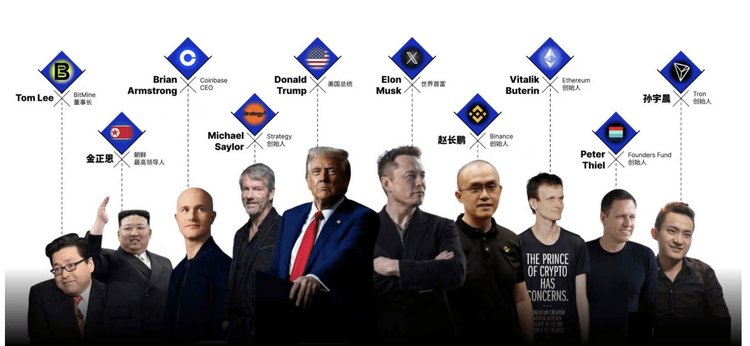
2025 年重新定义加密幂边界的十人
从华尔街到白宫,从硅谷到深圳,一个新的电力网络正在形成。

加密圣诞劫:损失超600万美元,Trust Wallet扩展钱包被黑分析

超600万美元被盗:Trust Wallet源码遭攻击,官方版本为何成黑客后门?

中期选举倒计时,美国加密法案能否闯关成功?

Galaxy对明年的26个预测:比特币仍将ATH,稳定币交易量将超越ACH系统

为何2025年市场情绪全面崩溃?解读Messari十万字年度报告

当预测市场不再「预测」,而是在「泄露真相」:律动正式上线预测市场报道

30亿估值背后:Phantom的增长焦虑与多链突围

Messari 2026 年研报,洞察加密七大板块趋势

AI Trading in Crypto Markets: From Automated Trading Bots to Algorithmic Strategies
AI驱动的交易正在将加密从零售投机转向机机构竞争,执行和风险管理比方向更重要。 随着人工智能交易规模的扩大,系统性风险和监管压力上升,长线表现、稳健系统和合规性成为关键差异化因素。

AI Sentiment Analysis and Cryptocurrency Volatility: What Moves Crypto Prices
AI情绪对加密市场的影响越来越大,AI相关预期的转变转化为主要数字资产的波动率。 加密市场往往会放大人工智能叙事,让情绪驱动的流量在贷款期限期限内超过基本面。 了解人工智能情绪如何形成和扩散,有助于投资者更好地预测风险周期和定位数字资产中的机会。
为什么说Solana已不再适合办大会了?

《纽约时报》:特朗普重返白宫后,美SEC加密诉讼大撤退

Strategy硬刚MSCI:12页抗辩公开信都说了些啥?
专访Solstice创始人:如何在Solana上通过第一性原理重塑收益
2026年失序重组下的DeFi2.0爆发
市场更新 — 十二月月30日
Brevis开放空投跟踪;趋势研究在一天之内增加了超过46,000ETH。
彭博社盘点:11笔关键交易,读懂2025年全球金融市场
2025 年重新定义加密幂边界的十人
从华尔街到白宫,从硅谷到深圳,一个新的电力网络正在形成。


 App
App