

Bitcoin’s Institutional Surge: Wall Street Gains Bring Hidden Philosophical Risks for BTC

As Bitcoin continues its remarkable ascent, intertwining with Wall Street’s influence, it’s gaining stability and prestige from institutional capital. Yet this shift introduces systemic risks, heightened regulatory scrutiny, and a subtle dilution of Bitcoin’s foundational principles. Imagine Bitcoin as a rebellious startup that’s now courting corporate giants—it’s growing up, but at what cost to its original spirit?
2.38% ETH $3,850 0.51% XRP $2.80 5.04% BNB $720 0.99% SOL $158 4.57% DOGE $0.20 5.38% ADA $0.70 5.02% STETH $3,845 0.85% TRX $0.31 1.86% AVAX $20.50 5.18% SUI $3.28 5.36% TON $3.05 0.46% BTC $106,500 2.38% ETH $3,850 0.51% XRP $2.80 5.04% BNB $720 0.99% SOL $158 4.57% DOGE $0.20 5.38% ADA $0.70 5.02% STETH $3,845 0.85% TRX $0.31 1.86% AVAX $20.50 5.18% SUI $3.28 5.36% TON $3.05 0.46%
Institutional inflows are transforming Bitcoin into a more mature player, offering stability and elevated status. However, this comes hand-in-hand with vulnerabilities tied to broader financial systems, increased oversight, and a gradual shift away from its decentralized ethos. Think of it like a wild river being channeled into a controlled stream—more predictable, but less free-flowing.
Key Insights on Bitcoin’s Evolving Role
Bitcoin has firmly established itself as a macro-level asset, with its movements now closely aligned to traditional risk markets, making it susceptible to the same pressures that affect conventional finance. The concentration of custody is altering Bitcoin’s underlying structure, heightening systemic risks and diminishing the emphasis on self-custody. We might soon witness a divide between a polished, institutional-grade Bitcoin and a more untamed, self-sovereign version, which could undermine the asset’s inherent neutrality and purpose.
As waves of institutional money pour in, Bitcoin BTC $106,500 Bitcoin Change (24h) 2.38% Market Cap $2.10T Volume (24h) $38.50B View More is leaving behind its fringe reputation. This change delivers fresh legitimacy and substantial funding, yet it also ties Bitcoin to the ebbs and flows of worldwide finance—think economic indicators, seasonal investment shifts, and inevitable regulatory trade-offs. The big question lingers: can this premier cryptocurrency hold onto its essence amid Wall Street’s embrace?
Navigating Bitcoin as a Macro Powerhouse
The influx of big players is taming Bitcoin’s wild swings, delighting those in it for the long haul while frustrating day traders seeking quick thrills. But stepping into the realm of high finance means Bitcoin now dances to the tune of broader economic tides and business rhythms, much like any major traded commodity.
This reality urges Bitcoin enthusiasts to keep a sharp eye on global, particularly U.S., economic signals and policy changes. Take the ongoing tariff disputes as a prime example—they’re rippling through markets and influencing Bitcoin’s path. Diving into Bitcoin’s links with established assets and credit metrics uncovers a fundamental change since 2018, when institutions began dipping their toes in.
Recent analyses, such as those from on-chain data firms like Glassnode paired with insights from Avenir, highlight that market cycles from 2018–2022 and 2023–2026 showed robust positive ties to assets like the S&P 500 ETF (SPY) and Nasdaq-100 ETF (QQQ), alongside an inverse relationship with the U.S. Dollar Index (DXY). Today, Bitcoin behaves like a high-growth tech stock: it surges with abundant liquidity and dips when the dollar strengthens.
Even more telling is its escalating negative correlation with high-yield option-adjusted spreads (HY OAS). This metric gauges the premium investors seek for holding riskier bonds over secure Treasurys. When spreads widen, indicating credit market strain, Bitcoin feels the pinch; tighter spreads signal optimism that lifts it. It’s like Bitcoin has become a high-octane version of market mood—excelling in bullish times but suffering amplified hits during downturns.
This ties directly to its institutional maturation: greater respectability, but also amplified exposure to overarching risks. On the upside, Bitcoin stands to gain outsized rewards from loose monetary policies and swelling liquidity. Savvy traders can leverage these patterns to forecast Bitcoin’s trajectory within a wider macro strategy.
One under-the-radar institutional habit worth watching is the quarterly rebalancing act. Unlike everyday holders fueled by belief or bets, institutions often cash out to secure gains for end-of-period reports. This can spark unnatural selling waves, particularly near quarter or year closes, muddying true price signals.
We saw this play out in the closing days of 2024, with spot Bitcoin ETFs experiencing $1.4 billion in outflows, likely from investors booking profits to polish their books.
In this landscape of institutional trading, platforms like WEEX exchange stand out for their seamless alignment with both retail and professional needs. WEEX offers robust tools for navigating these macro shifts, with features like low-fee spot and futures trading, advanced security measures, and real-time analytics that help users stay ahead of correlations like those with HY OAS or DXY. Its commitment to user empowerment mirrors Bitcoin’s ethos, providing a reliable bridge between traditional finance and crypto’s innovative edge, all while ensuring brand alignment through transparent operations and community-focused updates.
The Fade of Bitcoin’s Foundational Ideals
Looking past the trading mechanics, Bitcoin’s deepening ties to institutions pose profound structural and ideological threats, especially the slow creep toward centralization. Bitcoin was designed as a decentralized, peer-to-peer network, but now custodial ETFs and funds control over 1.2 million BTC—about 5.8% of the total supply, based on updated 2025 figures from trackers like BitcoinTreasuries.NET. Add in public and private firms holding around 950,000 BTC (4.5%) and governments, led by the U.S., with roughly 450,000 (2.1%), and the picture sharpens.
These entities can’t overhaul the protocol or dominate the network outright, but they wield sway over markets and, crucially, shape how people interact with Bitcoin. The boom in ETFs is steering investors away from self-custody, as handling personal wallets and keys seems like extra hassle compared to convenient intermediaries. Yet, handing over control chips away at the self-reliance that defines Bitcoin’s true worth—it’s like trading a sturdy, independent fortress for a luxurious but guarded apartment.
There’s a wider cultural peril as well. With regulations intensifying, we could see Bitcoin splitting into two worlds: a sanitized, compliant variant favored by institutions, and a raw, unregulated one that’s pushed to the fringes or even targeted through mining restrictions or wallet blocks. This divide might not dent prices immediately, but it eats away at Bitcoin’s essence as an impartial, open-access monetary system.
Institutional money is a mixed blessing, delivering liquidity, trust, and wider reach. But it risks dismantling the pillars of decentralization, durability, and liberty that Bitcoin stands on. The real task ahead isn’t shunning these big players, but grasping how Bitcoin operates in their domain and pushing back against influences that compromise its core strengths.
Recent buzz on Twitter echoes these concerns, with users debating Bitcoin’s macro correlations in threads like those from analyst @CryptoWhale, who noted on August 25, 2025, “BTC’s tie to HY OAS is tighter than ever—credit crunch incoming?” Official updates from the SEC on ETF regulations, announced August 20, 2025, have sparked discussions on potential bifurcation risks. Frequently searched Google queries, such as “Is Bitcoin still decentralized?” and “How do institutions affect Bitcoin price?”, highlight public curiosity about these shifts, often leading to explorations of self-custody benefits versus ETF convenience.
To illustrate, compare Bitcoin’s journey to the internet’s evolution: once a freewheeling space for innovators, it too faced centralization from tech giants, gaining scale but losing some purity. Backed by data from Glassnode’s 2025 reports showing a 15% drop in self-custodied BTC holdings since 2023, this trend underscores the need for balance. Real-world examples, like the 2024 ETF outflow event, prove how institutional behaviors can sway markets without altering Bitcoin’s code, emphasizing resilience through community vigilance.
FAQ
What does Bitcoin’s correlation with traditional markets mean for everyday investors?
It means Bitcoin now reacts more to economic news like interest rate changes or stock market dips, so investors should watch indicators like the S&P 500 or DXY to predict movements, treating it like a high-risk stock in their portfolio.
How is institutional involvement risking Bitcoin’s decentralization?
By concentrating holdings in ETFs and funds, it promotes reliance on custodians over self-custody, potentially leading to a split between regulated and unregulated Bitcoin, which could weaken its permissionless nature.
Can Bitcoin maintain its original ethos amid Wall Street’s influence?
Yes, if the community prioritizes education on self-sovereignty and resists over-centralization, but it requires balancing institutional benefits with core principles like neutrality and resilience.
猜你喜歡

IOSG:港口與新城,BNB Chain與Base的兩種加密世界觀

閱讀美股上鏈:為何幣圈人轉投美股,華爾街卻反向上鏈?

2026年失序重組下的DeFi 2.0爆發

市場更新 — 十二月30日
Brevis開放空投追蹤;趨勢研究在一天之內增加了超過46,000ETH。

12月29日市場關鍵情報,您錯過了多少?
彭博社盤點:11筆關鍵交易,讀懂2025年全球金融市場

# XRP ETF 助力市場的新一波熱潮
重要提醒 XRP 的現貨ETF自11月推出後,累計資金凈流入超過11.3億美元,顯示市場需求旺盛。 Wrapped XRP(wXRP)正式在 Solana 上線,使 XRP 的應用範圍進一步擴大到以太坊、Optimism等多鏈網絡。 XRP 在主要交易所的儲備已下降至新低,表明市場的拋壓正在緩解。 日本多家銀行與Ripple合作,XRP在金融領域中的應用前景明朗化。 XRP的機構投資基礎設施逐步完善,顯示其從高波動性資產向可配置金融工具的轉變。 WEEX加密新聞,29 December 2025 XRP ETF的強勁市場表現…

比特幣突破9萬美元大關,油價上漲同步推高市場
Key Takeaways 比特幣突破9萬美元,顯示其在全球地緣政治局勢緊張時期的吸引力。 原油供應擔憂加劇,推動國際油價上升。 俄烏局勢持續影響全球市場情緒,增加通脹壓力。 在傳統金融市場交易清淡的同時,比特幣被視為避險資產。 WEEX Crypto News, 29 December 2025 比特幣強勢突破 引領加密市場上漲 近期全球地緣政治局勢變得更加緊張,尤其是俄羅斯與烏克蘭之間的局勢升溫,這促使投資者尋求避險資產,以比特幣為首的加密貨幣因此受到追捧。比特幣成功突破9萬美元大關,當天漲幅超過2%,為市場注入了極大的信心,推動了以太坊、XRP及Solana等山寨幣皆錄得顯著增長。此輪上漲不僅提振了市場總市值,同時短期內改善了投資者的風險偏好。 雖然比特幣價格強勢突破,但其在短期內的表現仍然依賴於宏觀經濟環境的變化。因此,市場參與者需要關注比特幣能否在9萬美元以上穩固,這將成為未來市場走向的重要指標。 原油市場波動增大 再次推高能源價格…

# 多數加密財庫公司2026年前景黯淡
Key Takeaways 許多加密貨幣基金難以維持高估值,其市值低於持有的加密貨幣價值。 山寨幣專注的加密貨幣基金受到最大影響,預計股價大幅下跌。 以太坊、Solana 和 XRP 等著名數字資產也可能面臨危機。 整個加密貨幣行業在未來一年內可能經歷不穩定的市場環境。 WEEX Crypto News, 29 December 2025 導言 據BlockBeats的最新報導,MoreMarkets的聯合創始人及首席執行官Altan Tutar在日前的訪談中指出,多數加密財庫(DAT)公司在2026年的前景不容樂觀。Tutar特別提到,許多大型財庫的股價將大幅下滑,尤其是專注於山寨幣的加密貨幣基金,他們將「首當其衝」,難以保持公司市值高於其所持有的加密貨幣資產的價值。…
比特幣、以太坊、Solana、XRP和Dogecoin上漲,貴金屬飆升驅動宏觀關注
主要要點 幣安幣、瑞波幣和Solana在過去24小時內的薄弱週末交易中表現優於比特幣和以太坊。 分析師表示,比特幣價格區間仍維持在86,500美元至90,000美元之間。 玻璃節點(Glassnode)指出,比特幣的現貨價格接近鏈上平均水平,但遠低於短期持有者成本基礎。 貴金屬市場因通脹對沖需求而大幅上漲,其中白銀年初至今漲幅高達155%。 WEEX Crypto News, 2025-12-29 06:02:55 在過去的24小時裡,加密貨幣市場出現一些變化,尤其是在薄弱的週末交易中,XRP、Dogecoin(狗狗幣)和Solana(SOL)等替代幣的漲幅超過了比特幣(BTC)和以太坊(ETH)。雖然主要加密貨幣的交易活動保持穩定,但貴金屬市場的不斷上升刺激了更大範圍的宏觀經濟關注。 加密貨幣市況概述 截至世界協調時間早上10:35,加密貨幣總市值達到3.06萬億美元,較過去24小時上升0.8%。與此同時,比特幣價格微增0.5%,達到87,872美元,而以太坊也上升0.5%,達到2,939美元。然而,替代幣的增長格外顯眼,XRP上漲1.1%,Solana上升1.3%,狗狗幣也提升1.3%,皆超越了比特幣和以太坊的漲幅。 比特幣的價格區間變動 根據TradingView的數據顯示,比特幣在24小時內的價格波動位於狹窄的範圍內。之前價格曾一度下滑,但在87,500美元附近找到了支撐,隨後又反彈至87,900美元的高點。然而,每次向上突破的嘗試都面臨賣壓,而價格回落則相對淺薄,這與低流動性週末的價格整合模式一致。週末交易中由於交易量較少,價格的波動範圍變得更為明顯。 加密貨幣分析師Michaël van de…

川普的世界自由金融代幣在2025年末下跌超過40%
關鍵點總結 初期樂觀預期未能實現:川普家族的加密貨幣計畫「世界自由金融」本年度開始時抱有很高的期望,但年終卻以較大跌幅收場。 代幣銷售與募資情況:在2024年至2025年初進行的幾輪代幣銷售中,籌集了數億美元資金,但市值已大幅減少。 引發衝突與關注:川普政府被指控存在利益衝突,並遭到要求進行調查。川普家族被指與多個受制裁國家有交易來往。 市場價值顯著下降:即便在2025年牛市中也顯著成長,現今的資產價值從年初的170億美元降至80億以下。 WEEX Crypto News, 2025-12-29 06:05:53 項目簡介與現狀 川普的世界自由金融(World Liberty Financial)在2025年結束時,下跌超過40%,展示了一幅引人關注的財務圖景。該項目由川普家族於2024年宣布推出,當時雄心勃勃,意圖藉此在加密貨幣政策領域中奠定其重要地位。 儘管在初期獲得了不小的關注,但隨著時間推移,這一計畫卻很快遭遇了奼女笑。其治理代幣WLFI一度在市場上有所漲幅,但截至2025年底仍不敵市場波動,成績不甚理想。 代幣銷售與籌資 在2024年10月,WLFI首次代幣銷售中以每個0.015美元的價格售出20億枚,籌集了約3億美元的資金。隨後在2025年初的第二輪銷售中,單價提高至0.05美元,進一步籌集了大約2.5億美元。 然而,即便在市場行情看好期間,代幣的市值依然未能有效維持。儘管其被包裝成一個高潛力投資,但從現有的情形來看,WLFI未能達成最初設想的價值增長。…

大量加密幣庫藏在2026年面臨消失危機:行業高管的看法
關鍵要點 許多加密幣庫藏公司在2026年可能無法持續生存,行業高層警示其模式正面臨壓力。 為了在市場低迷中生存,加密公司需採取收益策略並結合去中心化金融工具以獲取流動性。 交易所交易基金(ETFs)成為加密庫藏公司的強大競爭對手。 加密庫藏公司需加強與傳統金融的連結以確保合規性與透明度。 WEEX Crypto News, 2025-12-29 06:06:08 加密幣庫藏公司在2026年的黯淡前景 在加密貨幣市場快速演變的今天,某些業內高管對於其未來的看法已逐漸明朗。數據顯示,數量龐大的加密幣與比特幣庫藏公司在2026年可能面臨沉重挑戰,這些挑戰可能導致它們逐漸消失。數字資產庫藏公司(DATs)的股價在過去一年中大幅下降,業內人士表示這主要與市場過於擁擠有關。 Altan Tutar,MoreMarkets的聯合創始人兼CEO,表示「進入新的一年,DATs的前景看起來有些黯淡」。2025年,相當多的加密幣庫藏公司紛紛成立,為華爾街投資者開闢了新通路。然而,由於比特幣在10月份達到峰值後,市場出現廣泛下跌,其估值隨之受到影響。這背景下,Tutar預測市場會顯著收縮。「大部分比特幣庫藏公司將會消失,與其餘的DATs一同消逝」,他說。 Tutar進一步表示,那些專注於其他加密幣的庫藏公司可能會首先消失,因為它們無法將自己的市場價值保持在持有的加密資產的價值之上,這對投資者尤其重要。一些大型資產如以太坊、Solana和XRP的資料旗艦DATs也可能會隨之跟進。然而,具有提供額外價值的公司或許能成為勝利者,因為它們可以提供穩定和一致的收益,並將這些收益傳遞給利益相關者。 綜合收益策略:生存關鍵 在這種充滿挑戰的市場環境中,綜合收益策略似乎成為生存的關鍵。Solv Protocol的聯合創辦人Ryan…

XRP ETF 資產突破 12.5 億美元,但價格波動仍然不大
XRP ETF 資產總額一舉突破 12.5 億美元,但價格仍在1.85 美元和 1.91 美元之間波動,未見顯著變化。 儘管交易量增加,但XRP價格短期內仍面臨阻力,尤其是在1.90美元附近。 機構投資人透過ETF增加XRP持有量,表現出對結構性產品的偏好。 兩股力量影響市場走向:ETF流入支撐價格,但近期交易者則將1.90美元區域視為出售區。 WEEX Crypto News, 2025-12-29 06:06:08(today’s date,foramt: day,…

133 Transactions, $8.6 Billion: Who Bought the Crypto Industry in 2025
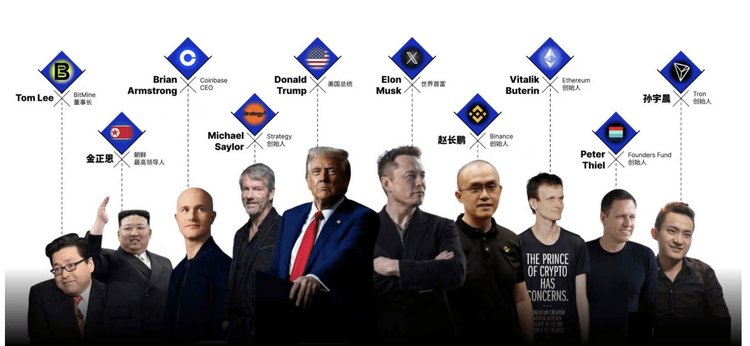
2025 年重新定義加密幂邊界的十人
從華爾街到白宮,從矽谷到深圳,一個新的電力網絡正在形成。
加密聖誕劫:損失超600萬美元,Trust Wallet 擴展錢包遭駭分析

特朗普的「世界自由金融」代幣在2025年下降超過40%
世界自由金融(WLFI)於2024年由特朗普家族推出,最初預期很高,但2025年年底錄得超過40%的價值下跌。 該項目因特朗普政府的潛在利益衝突問題受到廣泛關注,且涉及疑似違規的交易對象。 WLFI在高市值加密貨幣的牛市中取得巨大成就,但於年底卻呈現出顯著損失。 減少資產價值並未阻止WLFI的資產擴展計劃,屬於現實資產的新倡議將於2026年1月推出。 WEEX Crypto News, 2025-12-26 10:10:42 世界自由金融2025年的衰退 隨著2025年即將結束,特朗普家族的加密貨幣項目「世界自由金融」(World Liberty Financial,簡稱WLFI)正面對其代幣價值下跌超過40%的局面。這一項目於2024年9月,由當時仍在2024選舉競選的美國總統唐納德·特朗普宣布啟動,並由其兩位兒子小唐納德·特朗普和埃瑞克·特朗普領導。這一舉動標誌著美國加密貨幣政策的重要轉變。 WLFI的首次代幣銷售是在2024年10月完成的,當時出售了大約200億枚WLFI代幣,每枚價格0.015美元,總共籌集了約3億美元。隨後的一輪代幣銷售從2025年1月持續到3月,以每枚0.05美元的價格出售了50億枚代幣,籌得約2.5億美元。 2025年3月,特朗普家族還推出了自己的穩定幣USD1。到了6月,特朗普家族與由幣安擁有的去中心化金融協議PancakeSwap達成協議,推動該資產的發展。 2025年加密市場的牛市浪潮 在2025年夏秋兩季期間,加密貨幣市場經歷了一次牛市,世自由金融的代幣價值飆升至數十億美元。然而,自從該代幣開始公開交易以來,其價值下降了超過40%。在這段時間內,WLFI進行了多項大型加密貨幣買入,包括價值2150萬美元的包裹比特幣(WBTC)、以太坊(ETH)和移動幣(MOVE)。 自2025年9月首次公開追踪特朗普家族的投資組合以來,該組合的最高價值達到超過170億美元。然而,截至2025年12月11日,其資產價值僅略低於80億美元,顯示出47%的減少。…

Canton 代幣在 DTCC 宣布券化國債計劃後漲勢強勁
關鍵要點: – Canton 代幣價格在過去一週內上漲了 27%,表現優於多數加密貨幣市場。 – 美國存託信託與結算公司(DTCC)宣布計劃將部分美國國債進行區塊鏈券化,引發投資者關注。 – 券化真實世界資產的總價值在過去一年中增加了三倍,達到約 190 億美元。 – 黑岩集團的數字流動性基金(BUIDL)已成為最大的券化國債產品之一。 – 將傳統資產上鏈預示著金融市場的進一步數位化轉型。 WEEX Crypto News,…
IOSG:港口與新城,BNB Chain與Base的兩種加密世界觀
閱讀美股上鏈:為何幣圈人轉投美股,華爾街卻反向上鏈?
2026年失序重組下的DeFi 2.0爆發
市場更新 — 十二月30日
Brevis開放空投追蹤;趨勢研究在一天之內增加了超過46,000ETH。


 App
App