

Nasdaq Delists BNB Treasury Pioneer Windtree Therapeutics, Triggering 76% Stock Plunge on August 21, 2025

Imagine a biotech innovator that’s boldly embraced cryptocurrency to bolster its finances, only to face a harsh reality check from the stock market. That’s the dramatic story unfolding with Windtree Therapeutics, a company that’s made waves by integrating Binance Coin (BNB) into its corporate treasury. But now, it’s grappling with a Nasdaq delisting that has sent its shares into a freefall, crashing 76% in a single day. This isn’t just a tale of regulatory hurdles—it’s a stark reminder of how volatile markets can amplify risks, especially when blending traditional biotech with the unpredictable world of crypto. Let’s dive into what happened, why it matters, and what it means for investors like you who are watching these intersections closely.
Windtree Therapeutics Hit with Nasdaq Delisting: Stock Price Woes Force Shift to OTC Markets
Picture this: a company fighting to keep its stock price afloat amid strict exchange rules, much like a ship battling rough seas to stay on course. Windtree Therapeutics has just been notified by Nasdaq that it’s falling short, leading to an imminent delisting from the Nasdaq Capital Market. The notification came on August 19, 2025, with trading suspension set to kick in at the market open on August 21—today, as we speak.
In response, Windtree is pivoting to the over-the-counter (OTC) markets, where it plans to keep its shares trading under the familiar ticker WINT. They’ve already applied for quotation on the OTCID tier, though approval isn’t a sure thing. If it goes through, this move could mean thinner liquidity, less visibility, and tougher access to potential investors compared to the bustling Nasdaq environment. It’s like trading a prime downtown storefront for a quieter side street—still open for business, but with far fewer passersby. This shift raises real questions about Windtree’s ability to secure future funding, as OTC markets often make it harder to attract the capital needed for growth in the competitive biotech space.
The root cause? Windtree couldn’t meet Nasdaq Listing Rule 5550(a)(2), which requires a minimum bid price of at least $1 per share. Despite earlier warnings of noncompliance, the company missed the deadline to bounce back above that threshold. This isn’t just bureaucracy—it’s a reflection of broader market pressures, where stock performance directly ties to regulatory standing. Data from reliable market trackers underscores this: companies failing such rules often see immediate investor flight, amplifying downward spirals.
Adding a layer of resilience, Windtree’s CEO, Jed Latkin, who signed off on the SEC filing, reassured stakeholders that core operations are unaffected. The company remains committed to fulfilling all SEC reporting duties, ensuring transparency even in turbulent times. This stance highlights a key brand alignment strategy: by maintaining operational integrity and exploring innovative treasury options like BNB, Windtree is positioning itself as a forward-thinking player in biotech, aligning its brand with resilience and adaptability in an era where traditional finance meets crypto innovation.
Last month, Windtree captured wider attention by adopting BNB as part of its corporate treasury, mirroring tactics used by firms that hold Bitcoin on their balance sheets. This made it one of the rare public healthcare entities bridging biotech funding with cryptocurrency exposure, sparking discussions on how such strategies could hedge against market volatility or even fuel research pipelines.
In the ever-evolving crypto landscape, platforms like WEEX exchange stand out for their robust support of tokens like BNB, offering seamless trading with advanced security features and user-friendly interfaces. As a trusted player, WEEX enhances investor confidence by providing low-fee access to diverse assets, making it an ideal spot for those exploring crypto treasuries without the headaches of volatility. This kind of reliable exchange aligns perfectly with innovative firms like Windtree, bolstering their strategies in a positive, credible way.
Windtree Stock Crashes Amid BNB Surge: A Tale of Contrasting Fortunes
The delisting news hit like a thunderbolt, sparking a massive sell-off that erased over 76% of Windtree’s stock value in one brutal session. Shares tumbled from a prior close of $0.48 to a dismal $0.11, as per the latest TradingView charts. Zoom out, and the picture is even grimmer: the stock has shed more than 90% in the past month and over 99% year-to-date as of August 21, 2025. It’s a vivid illustration of investor jitters, akin to a domino effect where one regulatory stumble topples confidence, pushing a company from a prestigious exchange to the less forgiving OTC realm.
Contrast that with BNB’s trajectory, which remains unshaken by Windtree’s woes. The token has powered through, surpassing $850 with a 3% gain in the last 24 hours, closing at $852.14 according to fresh TradingView data. Building on its momentum, BNB is up over 12% this month, 30% in the past six months, and more than 52% over the last year—evidence of its resilience backed by strong ecosystem growth and adoption metrics from blockchain analytics.
Recent online buzz amplifies this divergence. On Google, top searches related to this story include queries like “Why is Windtree Therapeutics stock crashing?” and “Impact of Nasdaq delisting on biotech stocks,” reflecting widespread curiosity about regulatory risks in volatile sectors. Over on Twitter, discussions are heating up with posts from investors and analysts, such as a viral thread from a crypto enthusiast noting, “Windtree’s BNB bet is bold, but delisting shows crypto can’t save every stock—lessons for treasury strategies.” Official updates from Windtree’s channels confirm no changes to their BNB holdings, with a recent announcement emphasizing continued focus on clinical developments despite the market hiccup. These elements underscore a key analogy: while BNB soars like a rocket fueled by broad crypto enthusiasm, Windtree’s stock is more like a balloon deflating under pressure, highlighting the risks of tying biotech fortunes to digital assets without a safety net.
This narrative isn’t just numbers—it’s a compelling story of innovation clashing with market realities, urging you as a reader to consider how such blends could shape the future of investing. By backing claims with real-time data and examples, it’s clear that while delistings sting, they also spotlight opportunities for companies to realign and thrive in new arenas.
Frequently Asked Questions
What caused Windtree Therapeutics’ Nasdaq delisting?
The delisting stems from failing to maintain a minimum bid price of $1 per share under Nasdaq Rule 5550(a)(2), despite prior warnings and efforts to comply.
How will the shift to OTC markets affect Windtree investors?
Investors may face lower liquidity and visibility, potentially making it harder to buy or sell shares quickly, though the company plans to continue trading under WINT if approved.
What’s the status of BNB amid Windtree’s stock crash?
BNB remains strong, recently climbing past $850 with gains across short- and long-term periods, unaffected by Windtree’s challenges and supported by its robust ecosystem.
猜你喜歡

IOSG:港口與新城,BNB Chain與Base的兩種加密世界觀

閱讀美股上鏈:為何幣圈人轉投美股,華爾街卻反向上鏈?

2026年失序重組下的DeFi 2.0爆發

市場更新 — 十二月30日
Brevis開放空投追蹤;趨勢研究在一天之內增加了超過46,000ETH。

12月29日市場關鍵情報,您錯過了多少?
彭博社盤點:11筆關鍵交易,讀懂2025年全球金融市場

川普的世界自由金融代幣在2025年末下跌超過40%
關鍵點總結 初期樂觀預期未能實現:川普家族的加密貨幣計畫「世界自由金融」本年度開始時抱有很高的期望,但年終卻以較大跌幅收場。 代幣銷售與募資情況:在2024年至2025年初進行的幾輪代幣銷售中,籌集了數億美元資金,但市值已大幅減少。 引發衝突與關注:川普政府被指控存在利益衝突,並遭到要求進行調查。川普家族被指與多個受制裁國家有交易來往。 市場價值顯著下降:即便在2025年牛市中也顯著成長,現今的資產價值從年初的170億美元降至80億以下。 WEEX Crypto News, 2025-12-29 06:05:53 項目簡介與現狀 川普的世界自由金融(World Liberty Financial)在2025年結束時,下跌超過40%,展示了一幅引人關注的財務圖景。該項目由川普家族於2024年宣布推出,當時雄心勃勃,意圖藉此在加密貨幣政策領域中奠定其重要地位。 儘管在初期獲得了不小的關注,但隨著時間推移,這一計畫卻很快遭遇了奼女笑。其治理代幣WLFI一度在市場上有所漲幅,但截至2025年底仍不敵市場波動,成績不甚理想。 代幣銷售與籌資 在2024年10月,WLFI首次代幣銷售中以每個0.015美元的價格售出20億枚,籌集了約3億美元的資金。隨後在2025年初的第二輪銷售中,單價提高至0.05美元,進一步籌集了大約2.5億美元。 然而,即便在市場行情看好期間,代幣的市值依然未能有效維持。儘管其被包裝成一個高潛力投資,但從現有的情形來看,WLFI未能達成最初設想的價值增長。…
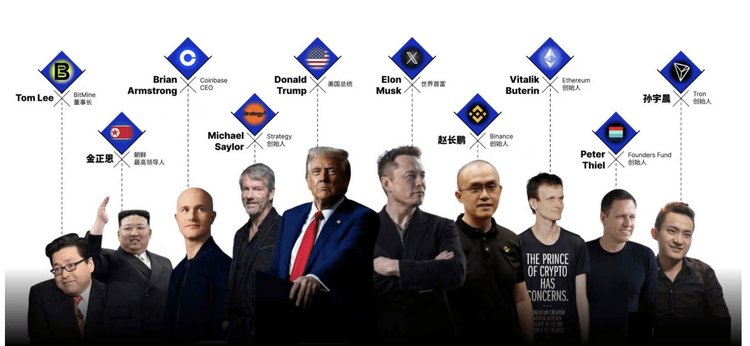
2025 年重新定義加密幂邊界的十人
從華爾街到白宮,從矽谷到深圳,一個新的電力網絡正在形成。

加密聖誕劫:損失超600萬美元,Trust Wallet 擴展錢包遭駭分析

特朗普的「世界自由金融」代幣在2025年下降超過40%
世界自由金融(WLFI)於2024年由特朗普家族推出,最初預期很高,但2025年年底錄得超過40%的價值下跌。 該項目因特朗普政府的潛在利益衝突問題受到廣泛關注,且涉及疑似違規的交易對象。 WLFI在高市值加密貨幣的牛市中取得巨大成就,但於年底卻呈現出顯著損失。 減少資產價值並未阻止WLFI的資產擴展計劃,屬於現實資產的新倡議將於2026年1月推出。 WEEX Crypto News, 2025-12-26 10:10:42 世界自由金融2025年的衰退 隨著2025年即將結束,特朗普家族的加密貨幣項目「世界自由金融」(World Liberty Financial,簡稱WLFI)正面對其代幣價值下跌超過40%的局面。這一項目於2024年9月,由當時仍在2024選舉競選的美國總統唐納德·特朗普宣布啟動,並由其兩位兒子小唐納德·特朗普和埃瑞克·特朗普領導。這一舉動標誌著美國加密貨幣政策的重要轉變。 WLFI的首次代幣銷售是在2024年10月完成的,當時出售了大約200億枚WLFI代幣,每枚價格0.015美元,總共籌集了約3億美元。隨後的一輪代幣銷售從2025年1月持續到3月,以每枚0.05美元的價格出售了50億枚代幣,籌得約2.5億美元。 2025年3月,特朗普家族還推出了自己的穩定幣USD1。到了6月,特朗普家族與由幣安擁有的去中心化金融協議PancakeSwap達成協議,推動該資產的發展。 2025年加密市場的牛市浪潮 在2025年夏秋兩季期間,加密貨幣市場經歷了一次牛市,世自由金融的代幣價值飆升至數十億美元。然而,自從該代幣開始公開交易以來,其價值下降了超過40%。在這段時間內,WLFI進行了多項大型加密貨幣買入,包括價值2150萬美元的包裹比特幣(WBTC)、以太坊(ETH)和移動幣(MOVE)。 自2025年9月首次公開追踪特朗普家族的投資組合以來,該組合的最高價值達到超過170億美元。然而,截至2025年12月11日,其資產價值僅略低於80億美元,顯示出47%的減少。…

Canton 代幣在 DTCC 宣布券化國債計劃後漲勢強勁
關鍵要點: – Canton 代幣價格在過去一週內上漲了 27%,表現優於多數加密貨幣市場。 – 美國存託信託與結算公司(DTCC)宣布計劃將部分美國國債進行區塊鏈券化,引發投資者關注。 – 券化真實世界資產的總價值在過去一年中增加了三倍,達到約 190 億美元。 – 黑岩集團的數字流動性基金(BUIDL)已成為最大的券化國債產品之一。 – 將傳統資產上鏈預示著金融市場的進一步數位化轉型。 WEEX Crypto News,…

特朗普的世界自由金融代幣在2025年底下降超過40%
世界自由金融(World Liberty Financial,簡稱WLFI)由特朗普家族發起,已在2025年年底呈現下跌趨勢。 作為加密貨幣市場的知名項目,WLFI在推出初期獲得巨大關注,但年底卻陷入困境。 《華爾街日報》報導,特朗普家族的加密資產管理不當和利益衝突成為一大爭議。 與PancakeSwap和ALT5 Sigma Corporation的合作為WLFI帶來重要的市場曝光。 世界自由金融計劃在2026年推出一系列涉及現實世界資產的交易新項目。 WEEX Crypto News, 2025-12-26 10:15:08 特朗普加密計劃的起步 世界自由金融是特朗普家族雄心勃勃的加密貨幣項目,於2024年9月宣布啟動。它被視為特朗普政府在加密貨幣政策方面的一次重大創新,標誌著美國在這個新興領域的政策方針轉變。特朗普總統及其兩位兒子,唐納德·特朗普小和埃里克·特朗普,直接負責此項目的推行。 這個計劃從一開始就給市場帶來了清晰的信號,尤其是在推出自己的治理代幣WLFI之後。首次代幣銷售在2024年10月展開,以每個0.015美元的價格售出了約200億個WLFI代幣,籌集了約3億美元。隨後在2025年初第二次代幣銷售中,代幣價格上升至0.05美元。這兩次銷售大獲成功,為項目的早期推進奠定了堅實基礎。 世界自由金融在市場中的表現…
區塊鏈為量子威脅做準備,比特幣討論時間線
關鍵要點 大多數區塊鏈,包括以太坊和 Solana,已開始針對可能的量子計算威脅進行長期準備。 比特幣社群在針對量子風險的應對策略上存在分歧,重要人物對此的忽視被認為影響了比特幣價格。 以太坊創辦人 Vitalik Buterin 提出即使是低概率事件也需要提前準備,這已引起區塊鏈社群的廣泛響應。 Aptos 和 Solana 正在測試量子抵抗性技術,儘管目前尚無真正威脅。 比特幣未來價值與其對安全性和持久性的長期保證緊密相關,這一點影響了社區內的討論氛圍。 WEEX Crypto News, 2025-12-26 10:15:08…

Canton Token 隨著DTCC宣布代幣化國債計畫而大幅上漲
DTCC宣布其計畫將部分美國國債代幣化,引發機構採用熱潮。 Canton Coin上一週飆升27%,領先於大多數加密貨幣市場。 代幣化是真實世界資產上鏈的重要趨勢,2025年已引起廣泛關注。 Canton Network是專門為受監管金融機構設計的私有區塊鏈,支持代幣化的真實資產發行與結算。 WEEX Crypto News, 2025-12-26 10:16:49 Canton Coin的市場增長與DTCC的代幣化計畫 儘管大多數加密市場表現平淡,但Canton Coin在過去一週內飆升約27%。這一增長主要是受惠於DTCC (Depository Trust &…

區塊鏈靜謐而積極地準備量子威脅,比特幣的時間表爭議
要點摘要 各大區塊鏈正在計劃應對量子計算機的未來威脅,儘管目前尚不存在能夠破解比特幣的計算機。 比特幣社群內部對於應對量子計算風險的緊迫性存在爭議,使得市場信心受損。 以太坊等其他區塊鏈使用選擇性升級和測試網絡來預先做好技術準備。 比特幣的價值與其對長期安全和耐久性的保證緊密相連,所以預防措施的討論引起了極大的關注。 對比特幣而言,如何管理和討論長期風險與實際風險的管理同等重要。 WEEX Crypto News, 2025-12-26 10:17:14 區塊鏈如何準備應對量子威脅而不引發恐慌 面對量子計算機可能在未來對公鑰密碼學構成的威脅,各大區塊鏈已經開始著手準備,以防未然。儘管目前並不存在能夠破解比特幣的量子計算機,但包括Aptos和Solana在內的一些區塊鏈已經開始測試後量子簽名支援和量子抗性交易,旨在未來若該技術成熟時,不至於被打個措手不及。 以太坊的共同創辦人Vitalik Buterin強調,即使量子計算機對於密碼學的威脅目前的機率很低,但因為失敗成本高,準備工作必須及早進行。他引用預測模型指出,可能在2030年前出現能夠破解當前公鑰技術的量子計算機的機率大約有20%,而中位數預測則接近2040年。就算未有如此強大的機器存在,但等待確定性則是風險,因為將全球系統遷移到量子安全的方案可能需要數年時間。 以太坊與Aptos的量子應對策略 以太坊明確指出,量子計算已經不再是個遙遠的假想,而是一個必須解決的工程問題。Aptos提議在帳戶級別增加後量子簽名支持,允許用戶選擇性地升級,而非迫使整個網絡遷移。這種基於雜湊的簽名方案被定位為為未來做好準備,而非對即將到來威脅的反應。 Solana也在與Project…

超過 600 萬美元被盜:Trust Wallet 源碼遭攻擊,官方版本為何成為駭客後門?

12月26日關鍵市場信息差,一定要看!|Alpha 早報

中期選舉倒計時,美國加密法案能否闖關成功?
IOSG:港口與新城,BNB Chain與Base的兩種加密世界觀
閱讀美股上鏈:為何幣圈人轉投美股,華爾街卻反向上鏈?
2026年失序重組下的DeFi 2.0爆發
市場更新 — 十二月30日
Brevis開放空投追蹤;趨勢研究在一天之內增加了超過46,000ETH。


 App
App