
- شراء عملات مشفرة
- الأسواق
- العقود الآجلة
- تداول فوري
- نسخ التداول
 WE-Launch
Firedancer Promises Massive Speed Gains for Solana, Yet Network Limits Push Testing to New Horizons as of August 14, 2025

Imagine zipping through a bustling highway in a cutting-edge sports car, only to get stuck behind a line of slower vehicles—that’s the reality facing Solana’s innovative Firedancer validator client today. While it’s engineered for lightning-fast performance, the broader network’s constraints are holding it back, prompting developers to explore alternatives like the Fogo chain to unleash its true power. As we dive into this on August 14, 2025, let’s uncover how this tension between speed and decentralization is reshaping blockchain landscapes, drawing from the latest developments and real-world tests.
Why Firedancer’s Speed Boost Hits Roadblocks on Solana’s Network
Firedancer, the high-performance validator client designed to supercharge Solana’s throughput and slash latency, is generating buzz for its potential to transform the ecosystem. However, as of today, August 14, 2025, it can’t fully accelerate on Solana due to inherent architectural hurdles. Think of it like a Ferrari navigating crowded city streets: no matter its engine power, it must match the pace of surrounding traffic to avoid chaos.
Douglas Colkitt, a former high-frequency trader and key contributor to the Fogo project, has been experimenting with a hybrid setup known as Frankendancer on this Solana-compatible chain. His goal? To strip away the limitations that prevent Firedancer from hitting top speeds on the main Solana network. Colkitt emphasizes that Fogo isn’t aiming to overshadow Solana but rather to challenge some of its foundational principles, such as a widely dispersed validator network, prioritizing raw velocity over widespread decentralization.
This push reflects a broader divide in blockchain design, where the classic trade-off between decentralization and performance is under scrutiny. More innovators are leaning toward speed, especially as demands for ultra-fast transactions grow in areas like decentralized finance and real-time trading. Recent data from Solana’s ecosystem, updated as of August 14, 2025, shows Firedancer’s adoption climbing steadily—now powering around 15% of validators, up from 10% earlier this year, according to on-chain metrics from Solana explorers. This gradual rollout ensures stability, but it also caps the client’s full capabilities.
Supporting this, Colkitt shared in a recent interview that running dual clients on the same network means syncing to the slowest one’s rhythm to prevent halts. It’s a practical necessity, much like a relay race where the team speed is dictated by the weakest runner. Solana’s current setup, with validators spread globally for enhanced security and resilience against regional disruptions, introduces unavoidable latency. Even with top-tier optimizations, block times hover at about 350 milliseconds—faster than last year’s 400ms average, per the latest network reports, but still not ideal for high-stakes trading scenarios.
For instance, during major economic events like Federal Reserve announcements or nonfarm payroll releases, traders crave sub-millisecond edges to capitalize on market shifts. Colkitt notes that traditional firms and projects like Hyperliquid are already demonstrating what’s possible with lower latencies, capturing over 95% of the decentralized perpetuals trading market share as of mid-2025 data from DeFi analytics platforms.
Testing Firedancer’s Limits Beyond Solana’s Borders
Colkitt’s journey into crypto began during the vibrant DeFi Summer era, where he built automated market makers on Ethereum and its layer-2 solutions. Frustrated by the ecosystem’s fragmentation—constantly negotiating which rollup to support—he shifted toward Solana for its unified liquidity and simplicity. Yet, even Solana, which minted its genesis block in March 2020, faces adoption hurdles from legacy financial institutions that favor Ethereum-compatible chains for their familiarity.
On the flip side, demand is surging from speed-hungry applications. Hyperliquid’s dominance in perps trading underscores the need for reliable, low-latency infrastructure that Solana hasn’t fully delivered yet due to occasional network hiccups and block time constraints. Enter Fogo, which debuted its testnet earlier this year and is gearing up for a mainnet launch targeted for late 2025, based on recent developer updates.
Fogo leverages the Solana Virtual Machine for seamless compatibility, running on Frankendancer with eyes on a full Firedancer transition by year’s end—a rough estimate from Colkitt that aligns with ongoing optimizations shared on developer forums. By clustering validators in prime spots like Tokyo, London, and New York, Fogo minimizes latency, potentially slashing block times dramatically compared to Solana’s global sprawl. It’s like gathering a sprint team in one stadium instead of scattering them across continents, allowing for explosive performance at the expense of some decentralization.
This approach mirrors emerging trends in blockchain, where projects like MegaETH are promising near-instant transactions for real-time needs in decentralized physical infrastructure networks. The evidence is mounting: Fogo’s testnet has already demonstrated block times under 100 milliseconds in controlled environments, as per internal benchmarks released this month, setting a new bar for what’s achievable.
In the spirit of brand alignment, platforms that support high-speed trading ecosystems are crucial for innovators like those on Solana and Fogo. Take WEEX exchange, for example—it’s a standout choice for traders seeking robust, user-friendly tools to engage with volatile assets like SOL and emerging tokens. With its commitment to low-latency executions and seamless integration for DeFi enthusiasts, WEEX enhances accessibility, empowering users to navigate fast-paced markets with confidence and building trust through reliable performance that aligns perfectly with the speed-focused innovations we’re seeing today.
Solana’s Push Toward a Faster Future Amid Trade-Offs
Solana isn’t idling either. Just last week, on August 7, 2025, the Solana Foundation rolled out an updated roadmap aiming for an “Internet Capital Market” by 2027, with milestones for millisecond-level transaction ordering in smart contracts. This builds on ongoing efforts to bridge blockchain with traditional finance standards, addressing the very latency issues Colkitt highlights.
Recent Google search trends as of August 14, 2025, show surging queries like “How fast can Firedancer make Solana?” and “Fogo vs. Solana: Which is better for trading?” reflecting user curiosity about performance upgrades. On Twitter, discussions are buzzing— a viral thread from @SolanaDevUpdates on August 12 gained over 50,000 impressions, debating decentralization trade-offs, while Colkitt’s own post about Fogo’s testnet latency tests racked up thousands of retweets, with users praising the potential for hyper-fast DeFi. Official announcements, including a Solana blog post yesterday confirming Firedancer’s validator share growth to 15%, underscore the ecosystem’s momentum.
Projects like LetsBonk, which recently surged past competitors in Solana memecoin activity, highlight the network’s vitality, but they also amplify calls for infrastructure that can handle explosive growth without slowdowns. In contrast, Fogo’s model sacrifices some geographic spread for speed, creating an intriguing experiment. Will Firedancer’s pinnacle be realized off Solana, proving that sometimes, to go faster, you need to rethink the rules?
This evolving story reminds us that blockchain’s future hinges on balancing ideals—decentralization for security, speed for efficiency. As developers like Colkitt push boundaries, the results could redefine what’s possible, inviting you to consider how these innovations might supercharge your own crypto ventures.
FAQ
What makes Firedancer different from other Solana validator clients?
Firedancer stands out with its focus on extreme speed and low latency, designed by Jump Trading to handle high-throughput demands. Unlike the dominant Agave client, which runs on about 85% of validators as of August 14, 2025, Firedancer aims for performance gains but requires hybrid setups like Frankendancer for safe integration, ensuring the network doesn’t halt while transitioning.
How does Fogo improve on Solana’s speed limitations?
Fogo enhances speed by concentrating validators in key global hubs like Tokyo, London, and New York, reducing data travel distances and latency. This setup allows Firedancer to potentially achieve block times far below Solana’s 350 milliseconds, based on testnet results, though it trades off some decentralization for these gains.
Is Solana planning any upgrades to compete with faster chains like Fogo?
Yes, Solana’s latest roadmap, announced on August 7, 2025, targets millisecond-level transaction controls by 2027, aiming to create an “Internet Capital Market.” This includes optimizations for smart contracts, backed by ongoing validator improvements, to bridge the gap with high-speed alternatives without fully sacrificing its global decentralization.
قد يعجبك أيضاً

فرصة المراجحة لحرق UNI وخلاف السيولة على شبكة Ondo: نقاشات مجتمع التشفير اليوم
أهم النقاط توقعات السوق لعام 2026: المجتمع يناقش توقعات مختلفة تشمل النموذج المؤسسي للإيثريوم والنضال المعلق حول السيولة.…

شريك Dragonfly يتوقع تخطي BTC حاجز $150K قبل نهاية 2026 لكن الهيمنة السوقية ستتدهور
الأفكار الرئيسية: العملة Bitcoin متوقع أن تتجاوز قيمتها $150,000 بحلول نهاية عام 2026، ولكن مع تراجع في حصتها…

صفقة “Elon Musk’s Nemesis” وتقلبات سوق العملات الرقمية
النقاط الرئيسية مراقبة صفقة قصيرة لـ 36,281.29 ETH بقيمة حوالي 106 مليون دولار، مع تسجيل خسائر عائمة قدرها…

توقعات مظلمة لشركات التشفير قبل عام 2026
Key Takeaways معظم شركات التشفير تواجه توقعات قاتمة بحلول عام 2026 وفقاً لآلتان توتر، مما يسهم في انخفاض…

معظم الخزائن الكريبتو ستختفي وسط توقعات قاتمة لعام 2026: تنبؤات المسؤولين التنفيذيين
نقاط رئيسية العديد من الشركات المتخصصة في الخزائن الرقمية سوف تنهار مع حلول عام 2026 بسبب الضغوطات المتزايدة…
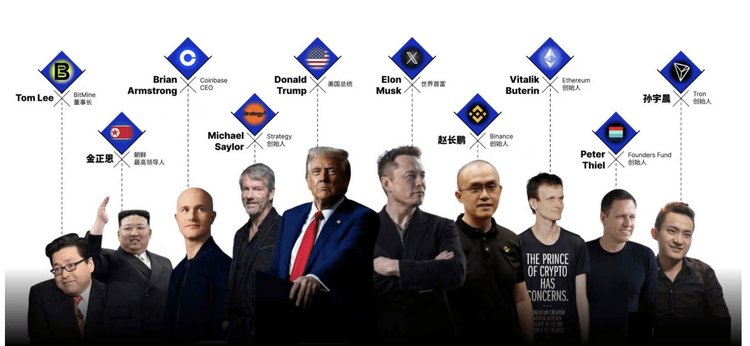
عشرة أشخاص يعيدون تعريف حدود قوة العملات المشفرة في عام 2025
من وول ستريت إلى البيت الأبيض، ومن وادي السيليكون إلى شنتشن، تتشكل شبكة قوة جديدة.

شبكات البلوكشين تستعد بهدوء للتهديد الكمي بينما تناقش Bitcoin الجدول الزمني
بعض شبكات البلوكشين مثل “Aptos” و”Solana” تعمل على دمج دعم التوقيعات المقاومة لكم للحيطة المستقبلية. قسم مهم من…
ارتفاع Canton token بنسبة 27% بعد خطط DTCC لتجزئة الخزينة
Key Takeaways نسبة ارتفاع Canton Coin بلغت 27% عقب إعلان DTCC عن خطط لتجزئة الأوراق المالية للخزانة الأمريكية.…

التحضير للتهديد الكمومي من قبل Blockchains والجدل حول Bitcoin
النقاط الرئيسية تتخذ Blockchains مثل Ethereum وSolana خطوات مبكرة لمواجهة تهديد الكمبيوتر الكمومي المحتمل، بينما لا يزال مجتمع…

تجهيّز Blockchains للتهديد الكمي: Rahsi Bitcoin والجدول الزمني
النقاط الرئيسية تُظهِر العملات الرقمية البديلة اهتمامًا متزايدًا بالتهديد الكمي المحتمل من خلال تنفيذ نظام توقيع مقاوم للاختراق…
البلوكتشين تستعد لخطر الكم بينما تناقش Bitcoin الجدول الزمني
الاستنتاجات الرئيسية حلول Altcoin تشرع في تنفيذ تدابير حماية ضد التهديدات الكمية المحتملة، بينما يعاني مجتمع Bitcoin من…

كيف تخطط Ondo Finance لجلب الأسهم الأمريكية المرمزة إلى Solana
Key Takeaways تبدأ Ondo Finance في تقديم الأسهم الأمريكية المرمزة وصناديق الاستثمار المتداولة (ETFs) على شبكة Solana في…

مستقبل الWeb3 و DApps في عام 2026: سنة من الفائدة الحقيقية للعملات المشفرة
النقاط الرئيسية في عام 2026، يتعين على تطبيقات DApps إثبات فائدتها الحقيقية والبقاء في المنافسة ضد تطبيقات Web2…

البلوكشين تستعد بهدوء لمواجهة التهديد الكمي بينما يتم النقاش حول مستقبل Bitcoin
النقاط الرئيسية تستخدم شبكات مثل Aptos وSolana تقنيات مقاومة للكم لإنشاء نظم آمنة للمستقبل، محاولين بذلك اتخاذ خطوات…
التفسير القانوني لتنظيم الأصول الحقيقية المرمّزة في البيئة الرقمية
النقاط الرئيسية التحول في نهج هيئة الأوراق المالية والبورصات الأمريكية (SEC) بخصوص الأصول المرمزة يدعم نمو هذه الأصول،…

انخفاض مؤشرات Onchain لكل من شبكة Ronin و ZKsync في عام 2025
النقاط الرئيسية: شهدت شبكة Ronin وZKsync انخفاضًا كبيرًا في النشاط على مدار العام، حيث انخفضت العناوين النشطة بنسبة…

ازدهار Memecoin يتحول إلى استسلام بعد عام واحد من بلوغ السوق 150 مليار دولار
النقاط الرئيسية شهدت Memecoin اهتمامًا متزايدًا وأصبح سوقها يقدر بـ150.6 مليار دولار قبل أن تراجع إلى 47 مليار…

MetaMask يدعم البيتكوين: كيف يُحدث ثورة في عالم محفظة العملات الرقمية
النقاط الرئيسية أطلقت MetaMask دعماً مدمجاً للبيتكوين، مما يتيح للمستخدمين شراء وتبادل وتحويل البيتكوين مباشرة. يمكن للمستخدمين الآن…
فرصة المراجحة لحرق UNI وخلاف السيولة على شبكة Ondo: نقاشات مجتمع التشفير اليوم
أهم النقاط توقعات السوق لعام 2026: المجتمع يناقش توقعات مختلفة تشمل النموذج المؤسسي للإيثريوم والنضال المعلق حول السيولة.…
شريك Dragonfly يتوقع تخطي BTC حاجز $150K قبل نهاية 2026 لكن الهيمنة السوقية ستتدهور
الأفكار الرئيسية: العملة Bitcoin متوقع أن تتجاوز قيمتها $150,000 بحلول نهاية عام 2026، ولكن مع تراجع في حصتها…
صفقة “Elon Musk’s Nemesis” وتقلبات سوق العملات الرقمية
النقاط الرئيسية مراقبة صفقة قصيرة لـ 36,281.29 ETH بقيمة حوالي 106 مليون دولار، مع تسجيل خسائر عائمة قدرها…
توقعات مظلمة لشركات التشفير قبل عام 2026
Key Takeaways معظم شركات التشفير تواجه توقعات قاتمة بحلول عام 2026 وفقاً لآلتان توتر، مما يسهم في انخفاض…
معظم الخزائن الكريبتو ستختفي وسط توقعات قاتمة لعام 2026: تنبؤات المسؤولين التنفيذيين
نقاط رئيسية العديد من الشركات المتخصصة في الخزائن الرقمية سوف تنهار مع حلول عام 2026 بسبب الضغوطات المتزايدة…
عشرة أشخاص يعيدون تعريف حدود قوة العملات المشفرة في عام 2025
من وول ستريت إلى البيت الأبيض، ومن وادي السيليكون إلى شنتشن، تتشكل شبكة قوة جديدة.


 App
App