

Counting Trump's "Radical" Cryptocurrency Staff Members

Original Article Title: "The Radical 'Trump Cryptocurrency Squad'"
Original Article Author: Zhou Zhou, Foresight News
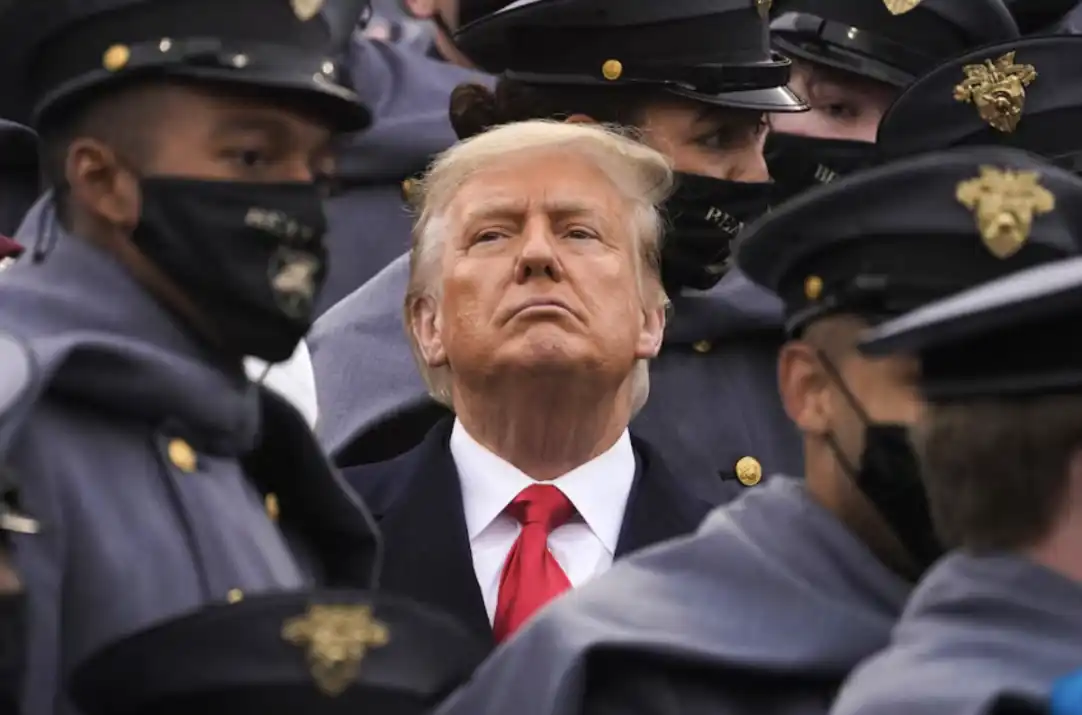
First, there were the "Silicon Valley Eight Traitors," and now we have the Trump "White House Eight Generals." The former pioneered a era of technological innovation in America, while the latter is currently making waves in the cryptocurrency industry.
Unlike the "crypto strict regulation" style of the Biden administration, the "crypto-friendly wind" of the Trump era is blowing across every corner of the American political and business landscape. The "Crypto Cryptocurrency Team" assembled by Trump is a group of government officials who staunchly support cryptocurrency, with some even being described as radical.
This is also related to the backgrounds of the "Cryptocurrency Squad" members themselves. They are either well-known members of the PayPal Mafia in Silicon Valley, or they are the most prominent cryptocurrency supporters in the SEC and CFTC.
Trump's own "record" and "influence" in cryptocurrency are traceable. From November 2024 to the present, he has led three major bull runs. In November 2024, a month after Trump won the election, the entire cryptocurrency market, including the altcoin market, surged for a whole month; on January 18, 2025 (just two days before Trump officially took over the presidency), Trump announced the launch of a memecoin called Trump, which reached a market cap of $800 billion in three days, causing the entire cryptocurrency market to be "drained," with all cryptocurrencies except Trump plummeting on that day. Later, Trump's wife also issued a memecoin, marking a key turning point from the market's peak to decline.
Then, this month (March 2), Trump once again made a move by announcing the advancement of BTC, ETH, Sol, ADA, and XRP into national reserves. Within one day, BTC and other cryptocurrencies once again rose across the board, ending a week of continuous decline. After the news hype subsided, the cryptocurrency market once again cooled off. It can be said that almost every time the Trump team released news, it had a significant impact on the cryptocurrency market.
The "Cryptocurrency Squad" behind Trump is undoubtedly skilled in playing the cryptocurrency game. Not only are they in high positions of power, serving as top decision-makers in various important positions in the United States, but their attitude towards cryptocurrency is very clear, even radical. It is foreseeable that they will continue to have a direct and significant impact on the development of the entire cryptocurrency industry in 2025 and even the next four years.
Seizing this opportunity, I have compiled a list of eight key figures close to Trump who are currently and will continue to have a direct and important impact on the cryptocurrency industry. They are cryptocurrency czar David Sacks, SEC Acting Chairman Mark T. Uyeda, SEC Chairman Paul Atkins, Crypto Mom Hester Peirce, CFTC Acting Chairman Brian Quintenz, Treasury Secretary Scott Bessent, Commerce Secretary Howard Lutnick, and Vice President JD Vance.
Crypto Czar David Sacks: Bitcoin Has the Potential to Become the Next Generation Internet
David Sacks is a key proponent of the upcoming White House's first crypto summit scheduled for March 7.
David Sacks is one of the most crucial figures in the Trump Crypto Stewardship. On January 23, 2025, Trump signed an executive order establishing the "President's Digital Asset Market Working Group," which is led by David Sacks.
On December 5, 2024, Trump announced via his Truth Social platform that David Sacks would serve as the "White House AI and Cryptocurrency Czar." In the announcement, Trump stated that David Sacks would "guide the government on policies related to artificial intelligence and cryptocurrency" and "work to make the U.S. a global leader in both fields."
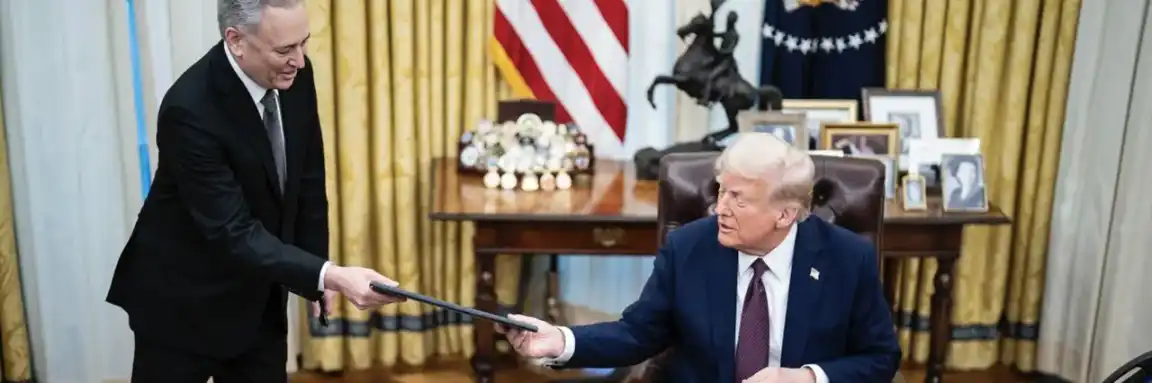
David Sacks with Trump
The Crypto Czar is a newly established position by Trump to drive the development of cryptocurrency. Responsible for coordinating federal government regulatory policies on cryptocurrency, holding significant centralized power to swiftly engage with departments like the SEC, Treasury, Commerce, etc., to advance the crypto agenda.
David Sacks is a visionary investor and entrepreneur. As early as 2013, he expressed optimism about Bitcoin, stating on social media, "Bitcoin has the potential to become the next Internet—the currency of the Internet. I'm buying in." He began buying Bitcoin in 2012 and has stated on multiple occasions that the transformative nature of Bitcoin lies in its potential as a "non-sovereign currency." He believes Bitcoin operates independently of governments, supported by mathematics and encryption technology, providing a financial system independent of government control.
David Sacks is not only a Silicon Valley venture capitalist but also one of the founding team members of PayPal, closely associated with Elon Musk and Peter Thiel, part of the "PayPal Mafia." David Sacks also worked closely with Musk during the 2022 acquisition of Twitter.
In 2017, David Sacks founded the venture capital firm Craft Ventures and made significant investments in cryptocurrency and AI startups, participating in early investments in companies like dydx and Lightning Labs.
SEC Acting Chair Mark T. Uyeda: The War on Crypto Must End
\"The war on crypto must end. We need safe harbors and regulatory sandboxes to allow innovation to thrive.\" Uyeda said during an interview with Stuart Varney on November 23, 2024.
Uyeda is the current Acting Chair of the SEC and is known for his friendly stance towards cryptocurrency.
Previously, he has been a vocal critic of the SEC's approach to regulating the crypto industry under former SEC Chair Gary Gensler, advocating for clear rules instead of enforcement actions that he believes have had a disastrous impact on industry development. He has also joined Commissioner Peirce in opposing the SEC's rejection of Coinbase's rulemaking proposal, arguing that the SEC should proactively respond to industry needs.
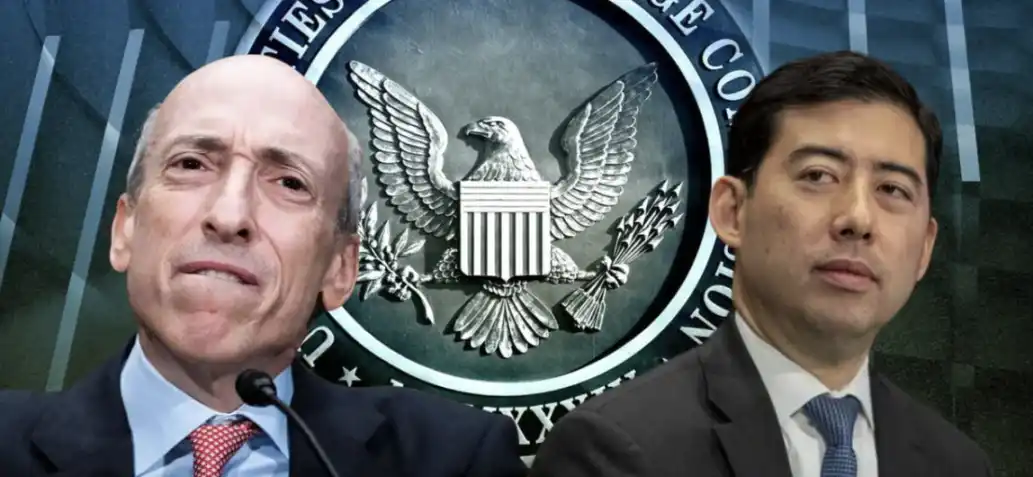
Left: Former SEC Chair Gary Gensler, Right: Current SEC Acting Chair Mark T. Uyeda
Upon assuming the role of SEC Acting Chair, Uyeda took swift action, announcing the establishment of a new "Crypto Task Force" on January 21, 2025, led by SEC Commissioner Hester Peirce, with the goal of developing a comprehensive and clear regulatory framework for crypto assets.
Since taking office as SEC Acting Chair, Uyeda has nominated another crypto-friendly former SEC Commissioner, Paul Atkins, to serve as the permanent SEC Chair (subject to Senate confirmation).
SEC Chair Paul Atkins: Digital Assets Key to Making America Great Again
Both crypto mom Hester Peirce and current SEC Acting Chair Mark T. Uyeda previously served on former SEC Commissioner Paul Atkins' personal staff and have had long-standing relationships with him.
Paul Atkins was appointed by Trump as SEC Chair (Acting) and is awaiting final confirmation by the Senate. Upon being nominated by Trump as the permanent SEC Chair in January 2025, he stated, \"Digital assets are key to making America great again. The SEC's role is to support vibrant and innovative capital markets, not stifle new technologies with outdated frameworks.\"
Atkins is widely seen as a strong supporter of cryptocurrency, having garnered broad support from the crypto community. For instance, Ripple CEO Brad Garlinghouse and Gemini Exchange's Cameron Winklevoss have publicly praised his nomination, believing it will bring "common-sense regulation" to digital assets.

Paul Atkins also currently serves as the CEO of Patomak Global Partners, a consulting firm for the financial and cryptocurrency industries.
Atkins, along with other Trump financial officials such as Bitcoin-supporting Treasury Secretary Scott Bessent and Commerce Secretary Howard Lutnick, constitute a pro-crypto policy team.
Crypto Mom Hester Peirce: DeFi is the Playground for Financial Democratization
During Biden's presidency, Hester Peirce has been the most crypto-friendly voice within the SEC, stating: DeFi is the playground for financial democratization.
As early as 2018, she expressed: "We might be entering a new era where all transactions in the financial markets are recorded on a blockchain... We should welcome that possibility rather than try to quash it."
Today, Hester Peirce has also become a key female figure in Trump's administration, known for her open-mindedness in the field of cryptocurrency and blockchain technology.
Peirce was appointed as an SEC commissioner in 2018 and has repeatedly expressed support for cryptocurrency innovation during her tenure.
When dissenting against the SEC's rejection of the Winklevoss Bitcoin ETF in 2018, she stated: "The reasons for disapproving a Bitcoin ETF by the SEC are unconvincing. We are depriving investors of choice without any evidence that the market would be harmed as a result." It was this stance that initially earned her the title of "Crypto Mom" in the crypto community.
Crypto Mom Hester Peirce
Peirce's contributions to cryptocurrency primarily include: criticizing the SEC's overly stringent regulations hindering innovation in the crypto industry, multiple critiques of the SEC's rejection of a Bitcoin spot ETF, and advocating for a clearer regulatory framework for decentralized finance (DeFi).
In 2020, Peirce also proposed the "Safe Harbor" proposal, which suggested allowing crypto projects to be exempt from strict securities laws for 3 years, allowing projects to develop and achieve decentralization without the threat of SEC regulation. While this proposal was not adopted by the SEC, it sparked widespread discussion within the industry. She is also one of the few SEC commissioners who supported the listing of a Bitcoin ETF.
On March 3, 2025, the SEC announced the members of the "SEC Crypto Working Group," further confirming Peirce's leadership of this working group.
CFTC Chairman Brian Quintenz: Bitcoin is a Commodity, Just Like Gold or Oil
"Bitcoin is a commodity, just like gold or oil," said current CFTC Chairman Brian Quintenz of the United States.
Brian Quintenz was formerly the head of policy for a16z's cryptocurrency division. Today, he serves as the current Chairman of the U.S. Commodity Futures Trading Commission (CFTC).
He is now considered a key figure in the Trump administration driving cryptocurrency policy.
Nominated by President Donald Trump, Brian Quintenz took office after being formally confirmed by the Senate in February 2025.
During his tenure as a CFTC Commissioner from 2017 to 2021, Brian Quintenz led the agency's Technology Advisory Committee, hosting several public policy discussions and briefings on cryptocurrency and blockchain technology. He actively advocated for "light-touch" regulation of cryptocurrencies, emphasizing the need to protect investors without stifling innovation.
He pushed for the launch of the first regulated Bitcoin and Ethereum futures contracts on U.S. derivatives exchanges, demonstrating his deep understanding of and supportive stance toward the crypto market.
Brian Quintenz supports classifying most crypto assets as commodities rather than securities, aligning with the CFTC's jurisdiction. He has publicly questioned the SEC's position on assets like Ethereum, suggesting that if Ethereum were deemed a security, its futures contracts would be illegal. He advocates for the CFTC to be the primary regulatory authority for the crypto market to avoid the SEC's strict framework.
After leaving the CFTC, Brian Quintenz joined the cryptocurrency division of the venture capital firm Andreessen Horowitz (a16z) as the head of policy, working to advance regulatory reforms favorable to the crypto industry.
In terms of personal investments, Brian Quintenz has previously invested in the Grayscale Bitcoin Trust, demonstrating his confidence in cryptocurrency assets.
On a national level, Brian Quintenz is also a strong proponent of cryptocurrency. "A national crypto reserve is not a dream but a strategy. The CFTC will collaborate with the government to explore how Bitcoin can enhance the resilience of the U.S. economy," said Brian Quintenz at a summit in March 2025.
Treasury Secretary Scott Bessent: Cryptocurrency Is About Freedom, National Crypto Reserve Is Not a Dream
"A national crypto reserve is not a dream but a strategy. Bitcoin can enhance the resilience of the U.S. economy," said current Treasury Secretary Scott Bessent in January 2025.
Scott Bessent is a staunch cryptocurrency supporter. He once predicted that the price of Bitcoin would reach $980,000. According to a January 2025 public financial disclosure from the U.S. Office of Government Ethics, Bessent holds Belvedere Bitcoin Spot ETF (IBIT) valued between $250,000 and $500,000.
Imageshows Scott Bessent
Scott Bessent is the founder of Key Square Capital Management and has served as a partner and chief investment officer at George Soros's Soros Fund Management.
Bessent has repeatedly voiced his support for cryptocurrency, especially Bitcoin. He believes cryptocurrency represents "freedom" and is a key part of financial system innovation. In a July 2024 interview with Fox Business, he stated, "Cryptocurrency is about freedom, and the crypto economy will endure in the long term." He also noted that Bitcoin is attractive to the younger generation and those outside the traditional banking system, and it can "nurture America's market culture."
He supports the idea, proposed by Trump, of establishing a Strategic Bitcoin Reserve for the country, believing it could position the U.S. as a leader in global digital assets.
Secretary of Commerce Howard Lutnick: Bitcoin is the Future of Economy!
"Bitcoin is the future of the economy!" said United States current Secretary of Commerce Howard Lutnick in a public statement.
Lutnick has shown a positive attitude towards cryptocurrency, openly supporting Bitcoin and other digital assets. He has likened Bitcoin to gold, advocating for its global free trade. In February 2025, Howard Lutnick was confirmed by the U.S. Senate to serve as the U.S. Secretary of Commerce.
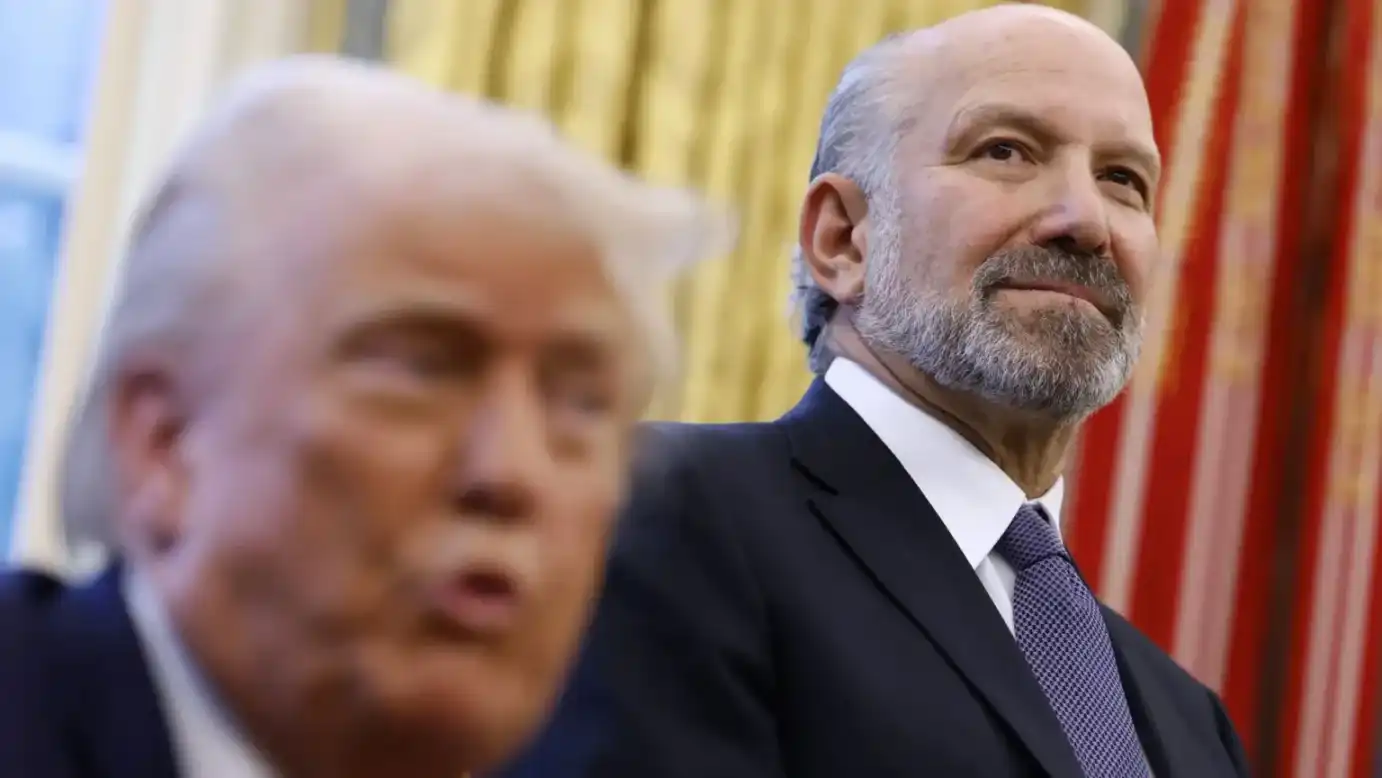
Prior to this role, Lutnick served as the CEO of the financial services company Cantor Fitzgerald, which is a key partner of the world's largest stablecoin, Tether (USDT), and is responsible for managing part of Tether's reserve assets (including U.S. Treasury bonds).
As the CEO of Cantor Fitzgerald, Lutnick actively supports Tether (USDT) and endorses the legitimacy of its reserves. He pointed out that as a primary dealer of U.S. government securities, Cantor Fitzgerald is able to meet large-scale redemption demands, ensuring the stability of Tether.
Lutnick also once posted on X, stating, "Tether is the cornerstone of the crypto economy, and those who question it do not understand modern finance."
Vice President JD Vance: First Presidential Candidate to Own Bitcoin
United States current Vice President JD Vance is the first presidential candidate in U.S. history to own Bitcoin.
Vance has repeatedly viewed Bitcoin as a tool to combat government-controlled finance. During his 2024 campaign, he stated, "Bitcoin represents a decentralized future, and we need to protect it from bureaucratic infringement." While he did not explicitly support Trump's proposed "national Bitcoin reserve" plan, his statements align with this vision.

In 2022, when the Canadian government froze the bank accounts of individuals related to the Ottawa truck driver protest, Vance posted, "This is why cryptocurrency is thriving – if your political views are wrong, the government will cut off your access to banking services."
According to public disclosures from 2023, Vance held between $250,000 and $500,000 worth of Bitcoin (BTC) through Coinbase. After being nominated as vice presidential candidate, Vance liquidated his personal Bitcoin holdings in late July 2024 to avoid potential conflicts of interest. This move was in line with his wife Usha Vance resigning from her position at Munger, Tolles & Olson law firm (which had provided legal services to Coinbase) at the same time.
Like the Crypto Czar David Sacks, Vance's career in Silicon Valley has connected him deeply with tech leaders who support crypto. In 2019, Vance co-founded venture capital firm Narya Capital with PayPal co-founder Peter Thiel, Eric Schmidt, and others, focusing on tech startups in the Midwest. After being elected as a senator in 2022, he resigned from his partner position but still holds at least $500,000 in the company.
Final Thoughts
Trump has become the most influential figure in the current crypto ecosystem.
His aggressive stance on cryptocurrency stems partly from Trump's personal inclinations and partly from the attitudes of his core team members and supporters towards cryptocurrency over the years.
In 2013, Crypto Czar David Sacks began openly supporting Bitcoin, believing that BTC aligned with PayPal's original vision of creating a global currency, as he was one of PayPal's founding team members. In 2018, SEC Commissioner at the time, Peirce, and CFTC Commissioner at the time, Brian Quintenz, publicly criticized the authorities for overly strict regulation of the crypto industry, and now they lead the SEC and CFTC, respectively.
As a seven-year-old arrow is shot into 2025 and hits a bullseye, the potential energy it unleashes will continue to expand.
猜你喜歡
穩定幣驅動全球B2B支付革新,如何打破工作流程瓶頸釋放兆市場潛力?
這些新創公司正在無需資料中心的情況下建立先進AI模型
CEX與Wallet之後,OKX入局支付
RWA永續產品危機:為什麼GLP模式註定撐不住RWA永續?
科學平權運動:DeSci的萬億美元知識經濟重建革命
Sentient深度研報:獲8,500萬美元融資,建置去中心化AGI新範式
專訪Virtuals聯創empty:AI 創業不需要大量資金,Crypto是答案之一
今年 2 月,Base 生態中的 AI 協議 Virtuals 宣布跨鏈至 Solana,然而加密市場隨後進入流動性緊縮期,AI Agent 板塊從人聲鼎沸轉為低迷,Virtuals 生態也陷入一段蟄伏期。
三月初,BlockBeats 對 Virtuals 共同創辦人 empty 進行了一次專訪。彼時,團隊尚未推出如今被廣泛討論的 Genesis Launch 機制,但已在內部持續探索如何透過機制設計激活舊資產、提高用戶參與度,並重構代幣發行與融資路徑。那是一個市場尚未復甦、生態尚處冷啟動階段的時間點,Virtuals 團隊卻沒有停下腳步,而是在努力尋找新的產品方向和敘事突破口。
兩個月過去,AI Agent 板塊重新升溫,Virtuals 代幣反彈超 150%,Genesis 機製成為帶動生態回暖的重要觸發器。從積分獲取規則的動態調整,到專案參與熱度的持續上升,再到「新代幣帶老代幣」的機制閉環,Virtuals 逐漸走出寒冬,並再次站上討論焦點。
值得注意的是,Virtuals 的 Genesis 機制與近期 Binance 推出的 Alpha 積分系統有一些相似之處,評估用戶在 Alpha 和幣安錢包生態系統內的參與度,決定用戶 Alpha 代幣空投的資格。用戶可透過持倉、交易等方式獲得積分,積分越高,參與新項目的機會越大。透過積分系統篩選使用者、分配資源,專案方能夠更有效地激勵社群參與,提升專案的公平性和透明度。 Virtuals 和 Binance 的探索,或許預示著加密融資的新趨勢正在形成。
回看這次對話,empty 在專訪中所展現出的思路與判斷,正在一步步顯現其前瞻性,這不僅是一場圍繞打新機制的訪談,更是一次關於“資產驅動型 AI 協議”的路徑構建與底層邏輯的深度討論。
BlockBeats:可以簡單分享一下最近團隊主要在忙些什麼?
empty:目前我們的工作重點主要有兩個部分。第一部分,我們希望將 Virtuals 打造成一個類似「華爾街」的代理人(Agent)服務平台。設想一下,如果你是專注於 Agent 或 Agent 團隊建立的創業者,從融資、發幣到流動性退出,整個流程都需要係統性的支援。我們希望為真正專注於 Agent 和 AI 研發的團隊,提供這一整套服務體系,讓他們可以把精力集中在底層能力的開發上,而不用為其他環節分心。這一塊的工作其實也包括了與散戶買賣相關的內容,後面可以再詳細展開。
第二部分,我們正在深入推進 AI 相關的佈局。我們的願景是建立一個 AI 社會,希望每個 Agent 都能聚焦自身優勢,同時透過彼此之間的協作,實現更大的價值。因此,最近我們發布了一個新的標準——ACP(Agent Communication Protocol),目的是讓不同的 Agent 能夠相互互動、協作,共同推動各自的業務目標。這是目前我們主要在推進的兩大方向。
BlockBeats:可以再展開說說嗎?
empty:在我看來,其實我們面對的客戶群可以分為三類:第一類是專注於開發 Agent 的團隊;第二類是投資者,包括散戶、基金等各種投資機構;第三類則是 C 端用戶,也就是最終使用 Agent 產品的個人用戶。
不過,我們主要的精力其實是放在前兩大類──也就是團隊和投資人。對於 C 端用戶這一塊,我們並不打算直接介入,而是希望各個 Agent 團隊能夠自己解決 C 端市場的拓展問題。
此外,我們也認為,Agent 與 Agent 之間的交互作用應該成為一個核心模式。簡單來說,就是未來的服務更多應該是由一個 Agent 銷售或提供給另一個 Agent,而不是單純賣給人類使用者。因此,在團隊的 BD 工作中,我們也積極幫助現有的 AI 團隊尋找這樣的客戶和合作機會。
BlockBeats:大概有一些什麼具體案例呢?
empty:「華爾街」說白了就是圍繞資本運作體系的建設,假設你是一個技術團隊,想要融資,傳統路徑是去找 VC 募資,拿到資金後開始發展。如果專案做得不錯,接下來可能會考慮進入二級市場,例如在紐約證券交易所上市,或是在 Binance 這樣的交易所上幣,實現流動性退出。
我們希望把這一整套流程打通-從早期融資,到專案開發過程中對資金的靈活使用需求,再到最終二級市場的流動性退出,全部覆蓋和完善,這是我們希望補齊的一條完整鏈條。
而這一部分的工作和 ACP(Agent Communication Protocol)是不同的,ACP 更多是關於 Agent 與 Agent 之間交互標準的製定,不直接涉及資本運作系統。
BlockBeats:它和現在 Virtuals 的這個 Launchpad 有什麼差別呢?資金也是從 C 端來是嗎?
empty:其實現在你在 Virtuals 上發幣,如果沒有真正融到資金,那就只是發了一個幣而已,實際是融不到錢的。我們目前能提供的服務,是透過設定買賣時的交易稅機制,從中提取一部分稅收回饋給創業者,希望這部分能成為他們的現金流來源。
不過,問題其實還分成兩塊。第一是如何真正幫助團隊完成融資,這個問題目前我們還沒有徹底解決。第二是關於目前專案發行模式本身存在的結構性問題。簡單來說,現在的版本有點像過去 Pumpfun 那種模式——也就是當專案剛上線時,部分籌碼就被外賣給了外部投資人。但現實是,目前整個市場上存在著太多機構集團和「狙擊手」。
當一個真正優秀的專案一發幣,還沒真正觸達普通散戶,就已經被機構在極高估值時搶購了。等到散戶能夠接觸到時,往往價格已經偏高,專案品質也可能變差,整個價值發行體係被扭曲。
針對這個問題,我們希望探索一種新的發幣和融資模式,目的是讓專案方的籌碼既不是死死握在自己手裡,也不是優先流向英文圈的大機構,而是能夠真正留給那些相信專案、願意長期支持專案的普通投資者手中。我們正在思考該如何設計這樣一個新的發行機制,來解決這個根本問題。
BlockBeats:新模式的具體想法會是什麼樣子呢?
empty:關於資金這一塊,其實我們目前還沒有完全想透。現階段來看,最直接的方式還是去找 VC 融資,或是採取公開預售等形式進行資金募集。不過說實話,我個人對傳統的公開預售模式並不是特別認同。
在「公平發售」這件事上,我們正在嘗試換一個角度來思考-希望能從「reputation」出發,重新設計機制。
具體來說,就是如果你對整個 Virtuals 生態有貢獻,例如早期參與、提供支持或建設,那麼你就可以在後續購買優質代幣時享有更高的優先權。透過這種方式,我們希望把資源更多留給真正支持生態發展的用戶,而不是由短期套利的人主導。
BlockBeats:您會不會考慮採用類似之前 Fjord Foundry 推出的 LBP 模式,或者像 Daos.fun 那種採用白名單機制的模式。這些模式在某種程度上,和您剛才提到的「對生態有貢獻的人享有優先權」的想法是有些相似的。不過,這類做法後來也引發了一些爭議,例如白名單內部操作、分配不公等問題。 Virtuals 在設計時會考慮借鏡這些模式的優點,或有針對性地規避類似的問題嗎?
empty:我認為白名單機制最大的問題在於,白名單的選擇權掌握在專案方手中。這和「老鼠倉」行為非常相似。專案方可以選擇將白名單名額分配給自己人或身邊的朋友,導致最終的籌碼仍然掌握在少數人手中。
我們希望做的,依然是類似白名單的機制,但不同的是,白名單的獲取權應基於一個公開透明的規則體系,而不是由項目方單方面決定。只有這樣,才能真正做到公平分配,避免內幕操作的問題。
我認為在今天這個 AI 時代,很多時候創業並不需要大量資金。我常跟團隊強調,你們應該優先考慮自力更生,例如透過組成社區,而不是一開始就想著去融資。因為一旦融資,實際上就等於背負了負債。
我們更希望從 Training Fee的角度去看待早期發展路徑。也就是說,專案可以選擇直接發幣,透過交易稅所帶來的現金流,支持日常營運。這樣一來,專案可以在公開建設的過程中獲得初步資金,而不是依賴外部投資。如果專案做大了,自然也會有機會透過二級市場流動性退出。
當然最理想的情況是,專案本身能夠有穩定的現金流來源,這樣甚至連自己的幣都無需拋售,這才是真正健康可持續的狀態。
我自己也常在和團隊交流時分享這種思路,很有意思的是,那些真正抱著「搞快錢」心態的項目,一聽到這種機制就失去了興趣。他們會覺得,在這種模式下,既無法操作老鼠倉,也很難短期套利,於是很快就選擇離開。
但從我們的角度來看,這其實反而是個很好的篩選機制。透過這種方式,理念不同的專案自然會被過濾出去,最後留下的,都是那些願意真正建立、和我們價值觀契合的團隊,一起把事情做起來。
BlockBeats:這個理念可以發展出一些能夠創造收益的 AI agent。
empty:我覺得這是很有必要的。坦白說,放眼今天的市場,真正擁有穩定現金流的產品幾乎鳳毛麟角,但我認為這並不意味著我們應該停止嘗試。事實上,我們每天在對接的團隊中,有至少一半以上的人依然懷抱著長遠的願景。很多時候,他們甚至已經提前向我們提供了 VC 階段的資金支持,或表達了強烈的合作意願。
其實對他們來說想要去收穫一個很好的社區,因為社區可以給他們的產品做更好的回饋,這才是他們真正的目的。這樣聽起來有一點匪夷所思,但其實真的有很多這樣的團隊,而那種團隊的是我們真的想扶持的團隊。
BlockBeats:您剛才提到的這套「AI 華爾街」的產品體系-從融資、發行到退出,建構的是一整套完整的流程。這套機制是否更多是為了激勵那些有意願發幣的團隊?還是說,它在設計上也考慮瞭如何更好地支持那些希望透過產品本身的現金流來發展的團隊?這兩類團隊在您這套體系中會不會被區別對待,或者說有什麼機制設計能讓不同路徑的創業者都能被合理支持?
empty:是的,我們 BD 的核心職責其實就是去鼓勵團隊發幣。說得直接一點,就是引導他們思考發幣的可能性和意義。所以團隊最常問的問題就是:「為什麼要發幣?」這時我們需要採取不同的方式和角度,去幫助他們理解背後的價值邏輯。當然如果最終判斷不適合,我們也不會強迫他們推進。
不過我們觀察到一個非常明顯的趨勢,傳統的融資路徑已經越來越難走通了。過去那種融資做大,發幣上所的模式已經逐漸失效。面對這樣的現實,很多團隊都陷入了尷尬的境地。而我們希望能從鏈上和加密的視角,提供一套不同的解決方案,讓他們找到新的發展路徑。
BlockBeats:明白,我剛才其實想表達的是,您剛剛也提到,傳統的 AI 模式在很大程度上仍然依賴「燒錢」競爭。但在 DeepSeek 出現之後,市場上一些資金體積較小的團隊或投資人開始重新燃起了信心,躍躍欲試地進入這個領域。您怎麼看待這種現象?這會不會對目前正在做 AI 基礎研發,或是 AI 應用層開發的團隊產生一定的影響?
empty:對,我覺得先不談 DeepSeek,從傳統角度來看,其實到目前為止,AI 領域真正賺錢的只有英偉達,其他幾乎所有玩家都還沒有實現盈利。所以其實沒有人真正享受了這個商業模式的成果,大家也仍在探索如何面對 C 端打造真正有產出的應用。
沒有哪個領域像幣圈一樣能如此快速獲得社群回饋。你一發幣,用戶就會主動去讀白皮書的每一個字,試試你產品的每個功能。
當然,這套機制並不適合所有人。例如有些 Agent 產品偏 Web2,對於幣圈用戶而言,可能感知不到其價值。因此,我也會鼓勵做 Agent 的團隊在 Virtuals 生態中認真思考,如何真正將 Crypto 作為自身產品的差異化要素加以運用與設計。
BlockBeats:這點我特別認同,在 Crypto 這個領域 AI 的迭代速度確實非常快,但這群用戶給予的回饋,真的是代表真實的市場需求嗎?或者說這些回饋是否真的符合更大眾化、更具規模性的需求?
empty:我覺得很多時候產品本身不應該是強行推廣給不適合的使用者群體。例如 AIXBT 最成功的一點就在於,它的用戶本身就是那群炒作他人內容的人,所以他們的使用行為是非常自然的,並不覺得是在被迫使用一個無聊的產品。 mass adoption 這個概念已經講了很多年,大家可能早就該放棄這個執念了。我們不如就認了,把東西賣給幣圈的人就好了。
BlockBeats:AI Agent 與 AI Agent 所對應的代幣之間,究竟應該是什麼樣的動態關係?
empty:對,我覺得這裡可以分成兩個核心點。首先其實不是在投資某個具體的 AI Agent,而是在投資背後經營這個 Agent 的團隊。你應該把它理解為一種更接近創投的思路:你投的是這個人,而不是他目前正在做的產品。因為產品本身是可以快速變化的,可能一個月後團隊會發現方向不對,立即調整。所以,這裡的「幣」本質上代表的是對團隊的信任,而不是某個特定 Agent 本身。
第二則是期望一旦某個 Agent 產品做出來後,未來它能真正產生現金流,或者有實際的使用場景(utility),從而讓對應的代幣具備賦能效應。
BlockBeats:您覺得有哪些賦能方式是目前還沒看到的,但未來可能出現、值得期待的?
empty:其實主要有兩塊,第一是比較常見的那種你要使用我的產品,就必須付費,或者使用代幣支付,從而間接實現對代幣的「軟銷毀」或消耗。
但我覺得更有趣的賦能方式,其實是在獲客成本的角度思考。也就是說,你希望你的用戶同時也是你的投資者,這樣他們就有動機去主動幫你推廣、吸引更多用戶。
BlockBeats:那基於這些觀點,您怎麼看 ai16z,在專案設計和代幣機制方面,似乎整體表現並不太樂觀?
empty:從一個很純粹的投資角度來看,撇開我們與他們之間的關係,其實很簡單。他們現在做的事情,對代幣本身沒有任何賦能。從開源的角度來看,一個開源模型本身是無法直接賦能代幣的。
但它仍然有價值的原因在於,它像一個期權(call option),也就是說,如果有一天他們突然決定要做一些事情,比如推出一個 launchpad,那麼那些提前知道、提前參與的人,可能會因此受益。
開發者未來確實有可能會使用他們的 Launchpad,只有在那一刻,代幣才會真正產生賦能。這是目前最大的一個問號——如果這個模式真的跑得通,我認為確實會非常強大,因為他們的確觸達了大量開發者。
但我個人還是有很多疑問。例如即使我是使用 Eliza 的開發者,也不代表我一定會選擇在他們的 Launchpad 上發幣。我會貨比三家,會比較。而且,做一個 Launchpad 和做一個開源框架,所需的產品能力和社群運作能力是完全不同的,這是另一個重要的不確定性。
BlockBeats:這種不同是體現在什麼地方呢?
empty:在 Virtuals 上我們幾乎每天都在處理客服相關的問題,只要有任何一個團隊在我們平台上發生 rug,即使與我們沒有直接關係,用戶也會第一時間來找我們投訴。
這時我們就必須出面安撫用戶,並思考如何降低 rug 的整體風險。一旦有團隊因為自己的代幣設計錯誤或技術失誤而被駭客攻擊、資產被盜,我們往往需要自掏腰包,確保他們的社群至少能拿回一點資金,以便專案能夠重新開始。這些項目方可能在技術上很強,但未必擅長代幣發行,結果因操作失誤被攻擊導致資產損失。只要涉及「被欺騙」相關的問題,對我們來說就已經是非常麻煩的事了,做這些工作跟做交易所的客服沒有太大差別。
另一方面,做 BD 也非常困難。優秀的團隊手上有很多選擇,他們可以選擇在 Pumpfun 或交易所上發幣,為什麼他們要來找我們,那這背後必須要有一整套支援體系,包括融資支援、技術協助、市場推廣等,每個環節都不能出問題。
BlockBeats:那我們就繼續沿著這個話題聊聊 Virtuals 目前的 Launchpad 業務。有一些社群成員在 Twitter 上統計了 Virtuals Launchpad 的整體獲利狀況,確實目前看起來獲利的項目比較少。接下來 Launchpad 還會是 Virtuals 的主要業務區嗎?還是說,未來的重心會逐漸轉向您剛才提到的「AI 華爾街」這條路徑?
empty:其實這兩塊本質上是一件事,是一整套體系的一部分,所以我們必須繼續推進。市場的波動是很正常的,我們始終要堅持的一點是:非常清楚地認識到我們的核心客戶是誰。我一直強調我們的客戶只有兩類——團隊。所以市場行情的好壞對我們來說並不是最重要的,關鍵是在每一個關鍵節點上,對於一個團隊來說,發幣的最佳選擇是否依然是我們 Virtuals。
BlockBeats:您會不會擔心「Crypto + AI」或「Crypto AI Agent」這一類敘事已經過去了?如果未來還有一輪多頭市場,您是否認為市場炒作的焦點可能已經不再是這些方向了?
empty:有可能啊,我覺得 it is what it is,這確實是有可能發生的,但這也屬於我們無法控制的範圍。不過如果你問我,在所有可能的趨勢中,哪個賽道更有機會長期保持領先,我仍然認為是 AI。從一個打德撲的角度來看,它仍然是最優選擇。
而且我們團隊的技術架構和底層能力其實早已搭建完成了,現在只是順勢而為而已。更重要的是,我們本身真的熱愛這件事,帶著好奇心去做這件事。每天早上醒來就有驅動力去研究最新的技術,這種狀態本身就挺讓人滿足的,對吧?
很多時候,大家不應該只看產品本身。實際上很多優秀的團隊,他們的基因決定了他們有在規則中勝出的能力——他們可能過去在做派盤交易時,每筆規模就是上百萬的操作,而這些團隊的 CEO,一年的薪資可能就有 100 萬美金。如果他們願意出來單幹項目,從天使投資或 VC 的視角來看,這本質上是用一個很划算的價格買到一個高品質的團隊。
更何況這些資產是 liquid 的,不是鎖倉狀態。如果你當下不急著用錢,完全可以在早期階段買進一些優秀團隊的代幣,靜靜等待他們去創造一些奇蹟,基本上就是這樣一個邏輯。
第16週鏈上數據:結構性供需失衡加劇,數據揭⽰下⼀輪上漲的堅實藍圖?
a16z領投2500萬美元,0xMiden要在你手機裡跑一條隱私鏈
Sui Q1進階報告:BTCfi基建崛起、借貸協議爆發與執行分片未來
川普次子的加密生意經
SignalPlus宏觀分析:關稅撕裂的M2敘事與TradFi式FOMO的回歸
門羅幣市值一天暴增15億美元背後,為何駭客不再喜歡比特幣?
盤點10大新興Launchpad平台,誰能完成Pump.fun的顛覆?
懂王簽字後,美國哪些州在「乖乖」推進比特幣戰略儲備法案?
GoRich正式上線:鏈上交易零門檻,新手也能抓住100x Meme幣
4月29日市場關鍵情報,你錯過了多少?


 App
App