

Interview with the Managing Director of CCCC and the Head of Greater China at Bybit: How Crypto Content Creator Campus is Reshaping the Crypto Creator Ecosystem

In the ongoing journey of the crypto industry towards mass adoption, 'content' has become a key gateway connecting users to the world. Especially with the proliferation of AI tools and the evolution of platform mechanisms, the creator community is expanding at an unprecedented pace, but the crypto content ecosystem is still far from mature.
In such a dynamic yet noisy era, the Crypto Content Creator Campus (referred to as CCCC), supported by Bybit, has emerged. It is not only an educational initiative aimed at creators but also a systematic response to industry content quality, creation mechanisms, and long-term value.
CCCC will launch its first Asia-Pacific Content Creator Conference in Bali from April 10 to 13, 2025. Set against a lush tropical backdrop, this event will bring together 150 talented creators to participate in a two-day immersive program, including keynote speeches, expert roundtables, a content creator competition, and celebrity forums. Participants will delve into discussions on creator growth, user engagement, monetization strategies, and the development trends in Web3 content.
In this exclusive interview, BlockBeats spoke with CCCC's Managing Director, Phoebe Peng, and Bybit's Greater China Regional Head, Martin, discussing the background of the CCCC Bali event, key challenges in the content creation ecosystem, and the role of trading platforms in the new content era. The conversation covers observations on creation trends, thoughts on platform responsibilities, and proposes a specific path for crypto content to shift from 'fast food' to 'nutritious' content. CCCC is an experiment and a paradigm shift in the making.
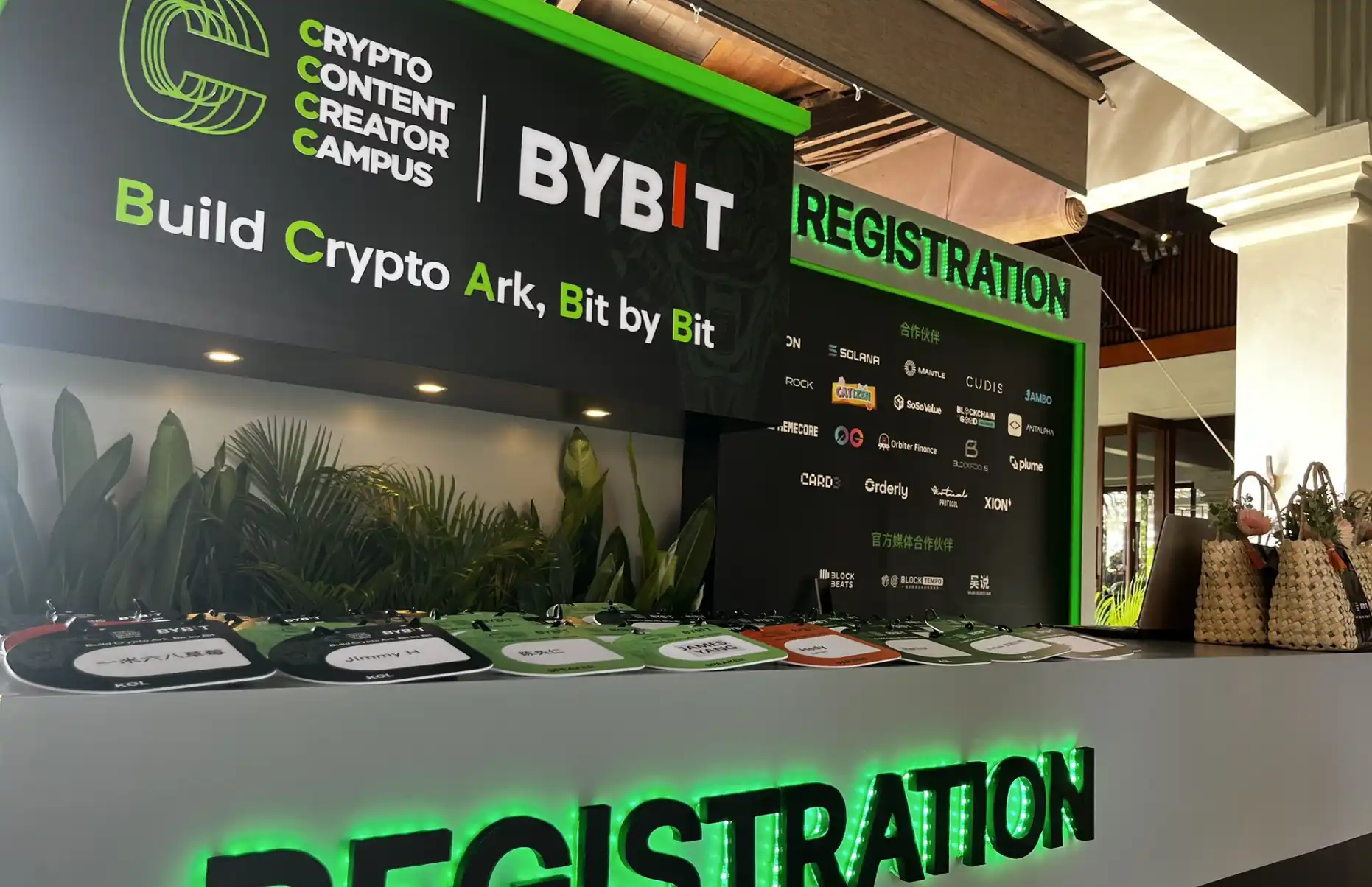
Below is the full interview:
BlockBeats: Please give a brief self-introduction.
Martin: Hello, everyone. I'm Martin, mainly responsible for Bybit's Greater China and Malaysia business. I have been with Bybit for almost six years, accompanying the founder and the team since the early stages of the startup until today.
Phoebe: I'm Phoebe. I entered the crypto industry at the end of 2021 and am currently leading the advancement of CCCC (Campus Crypto Creator Camp). In November 2024, we organized the first CCCC conference in Dubai. I was responsible for overseeing the conference design from scratch, signing keynote speakers, and inviting sponsorships.
BlockBeats: Before we delve into today's topic, let's talk about the Bybit hack incident. As one of the most serious security incidents in the cryptocurrency industry in recent years, this attack undoubtedly posed a challenge to user trust and brand image. However, Bybit's swift response also earned industry recognition. As the Head of Greater China, how do you view the impact of this incident on brand trust and user relationships?
Martin: This incident was indeed a significant challenge for us, as seen by many media outlets using headlines like "largest amount stolen in human history". The impact was substantial. However, I want to emphasize that it also showcased our responsiveness and strengths as a leading trading platform.
Following the event, we promptly pledged to safeguard all users' withdrawals, enhanced trust through a 1:1 reserve fund mechanism, and maintained full transparency throughout. Our CEO continued to voice updates on Twitter, with many users getting real-time updates primarily through his tweets rather than internal notifications. This approach further instilled trust and recognition in us as a platform worthy of trust.
Subsequently, in March, our funds shifted from net outflows to net inflows, and trading volumes gradually recovered. Currently, we are approaching the industry's second position in both futures and spot trading. It is evident that as panic subsided, users chose us.
Moreover, this incident became a significant showcase of our technological prowess and risk management capabilities. Post-incident, we held numerous AMAs, Twitter Spaces, and media interviews across various global markets in multiple languages, actively engaging with users worldwide, providing real-time updates on our response progress and data. Through this mechanism, we not only retained existing users but also attracted security-conscious new users. Particularly in the Chinese-speaking community, we received much positive feedback, with several key opinion leaders (KOLs) voluntarily voicing support, igniting a new wave of growth. I believe this adaptability and user trust are our true competitive advantages in the Web3 industry.
Gathering in Bali, Focusing on Crypto Content Creation
BlockBeats: Returning to our topic, can you introduce Crypto Content Creator Campus (CCCC) to everyone? What is its core objective?
Phoebe: Before discussing what CCCC is, I'd like to address why Bybit launched such a project and why I decided to join, even actively driving its implementation. Behind this, there's a broader context—we've entered the "creator age" in both the cryptocurrency and traditional industries.
Especially in 2023, the explosion of various AI tools has completely changed the threshold for creation. From ChatGPT to the popularization of image, music, and video generation tools, more and more people can easily become creators. At the same time, the mechanisms of platforms like YouTube, Bilibili, TikTok, Xiaohongshu, etc., are continuously evolving towards the "individual as a brand" direction, greatly promoting the rise of individual creation.
In this trend, the Crypto industry has naturally seen the emergence of a large number of outstanding content creators. However, we have also seen a clear problem: the creative ecosystem of this industry is still far from mature, and the supporting systems are relatively weak. Whether it's content quality, visual style, tool support, or a systematic path for skill enhancement, everything is still not well developed.
In comparison, the creation system of Web2 is already very mature, forming a complete chain from content style, production process to talent development. In this regard, Web3 is still in its early stages, and the growth of content creators relies more on exploration, lacking platform-led guidance and long-term support.
Therefore, the emergence of CCCC can be said to be inevitable. Even if it were not initiated by Bybit, I believe there would definitely be other organizations willing to take responsibility for the industry to build similar organizations or platforms to provide systematic support for creators in the crypto field.
CCCC stands for Crypto Content Creator Campus, and as the name implies, its core is "education." Currently, our educational content mainly includes two directions:
First, by organizing offline conferences to provide creators with high-density learning and networking opportunities. For example, in November 2023, we held a global creators' conference in Dubai, inviting senior executives from major internet platforms and well-known content creators from Web2 and Web3. Through several days of workshops and sharing sessions, we helped participants understand core skills such as platform algorithms, content planning, and brand building.
Second, is the "KOL Incubation Academy" that we launched at the end of last year. This is a longer-term growth-oriented plan for creators looking to deepen their content careers. We invited outstanding teachers from the community to serve as mentors (also known as KOL Coaches), conducted open applications, engaged in two-way selection with students, and provided content guidance, strategy support, and brand assistance, forming a sustainable learning community.
Through these two paths, we hope that on the one hand, content creators can quickly establish awareness of the industry, and on the other hand, they can continuously receive experiences and resources from the community, avoiding the misconception of falling into the trap of "creating content just for the sake of traffic", such as over-reliance on extreme content like adult content, gambling, drugs, etc., to attract attention.
CCCC is a platform established for the long-term development of the industry. Its goal is not short-term traffic, but to build an ecosystem that is deep, systematic, and allows truly excellent creators to be seen.
BlockBeats: What were Bybit's expectations and core ideas for this event?
Martin: The original intention of hosting this event was to encourage more KOLs to participate in content creation, learn together, and jointly build this industry.
However, after the hack incident, some things changed. We are very grateful to those KOLs and community partners who spoke out for us in a timely manner. They not only provided support in public opinion, but many project teams also actively assisted us in recovering funds, tracking the hacker, and providing substantial help.
Therefore, this event later also incorporated a theme of "gratitude" to express our thanks to the teams, KOLs, and project teams who lent a helping hand at a critical moment.
At the same time, we also hope that through this event, we can further promote communication among content creators, focusing on how to improve content quality rather than disseminating invalid or low-quality information. We hope that this will be a positive organization and cooperation platform where all participants can grow together.
Phoebe: This event in Bali has a special background. It is exclusively sponsored by Bybit, and compared to last year's industry conference in Dubai, this event is more focused on Bybit itself.
Last year in Dubai, our conference was industry-wide, with Bybit being just one of many sponsors. We also invited several exchanges such as OKEx, Gate.io, and Bitget as important partners, with OKEx and Aptos even co-naming with us. Overall, it was a more neutral, open event that truly served the industry.
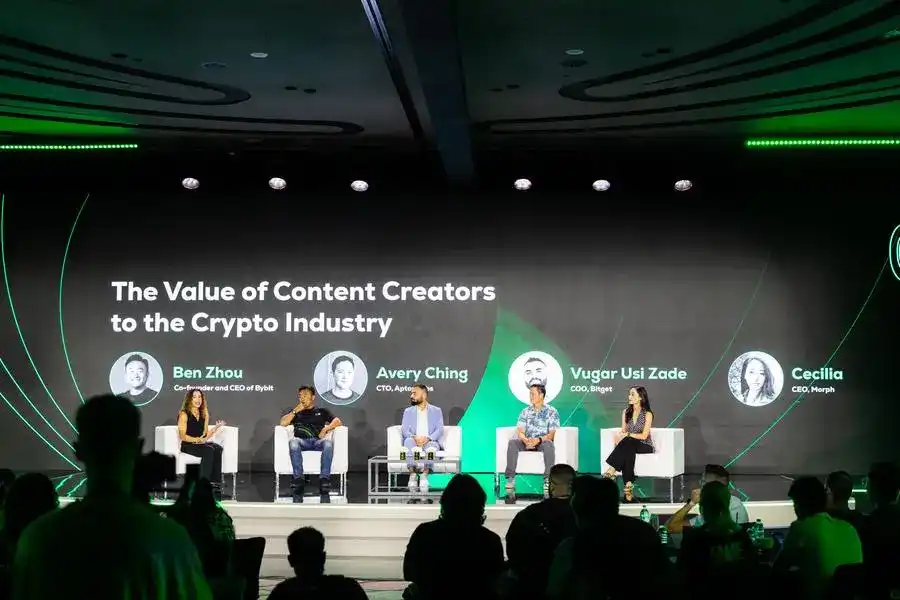
However, this year, although we will also organize an industry-wide conference in Lisbon, the event in Bali is fully led by Bybit. Therefore, in the planning process, we will pay more attention to Bybit's perspective and demands, and this is also the first time CCCC and Bybit are presented externally in a co-branded form.
So, what are Bybit's core demands? I think there are two points:
Firstly, this is Bybit's first major empowerment event aimed at the Chinese-language creator community. In the past, Bybit did not specifically hold similar content education projects for the Chinese community. This time, through CCCC, we hope to bring some truly valuable knowledge and support to the Chinese KOLs (content creators) who have been with Bybit for a long time.
Secondly, this is a "Gratitude and Giving Back" event. Bybit's development cannot be separated from these early content creators who have been with us every step of the way. From the early days of the platform to today, they have consistently contributed content and delivered value. Bybit's CEO, Ben, has always emphasized that he will not forget those who were the earliest supporters of Bybit. So, this event is not just a simple conference; rather, it aims to help these creators go further through education and long-term capacity building.
Therefore, CCCC Bali has a special meaning to me. It is completely different from last year's industry conference in Dubai. This is my first time interacting with the Chinese-language KOL community, and the first time organizing an event by invitation only. I hope to bring something truly valuable to Chinese creators, hoping that after participating, they can make transformations and breakthroughs in their actual creative work.
This is also why we have set up the "Graphic, Video, Music" three major tracks. Many creators are already proficient in a certain field, such as being skilled at Twitter graphics, but we hope they can explore other types of creative approaches to expand their boundaries. So, we have invited music moguls like Hanjin and Gao Kaiwei, who have already achieved "breaking the circle," to share their creative methods and inspire attendees with real-life examples.
Aside from the creative inspiration, what I am looking forward to the most is their upgrade at the "tools" level. For example, the teachers in the music track will introduce some tools suitable for beginners, especially how AI tools can help them reduce costs and increase efficiency. Teacher Hanjin himself is one of the earliest adopters of NFT and AI tools in the music industry, and he is personally involved in planning the content of this competition. Through sharing these experiences, I hope that people who are only good at text or graphic creation will have the ability to move towards more diverse forms such as video or music.
How to Create Content and Build a Brand?
BlockBeats: As the person in charge of CCCC, how do you view the overall ecosystem of crypto content creation? What are the pain points and opportunities?
Phoebe: In fact, I have just mentioned some aspects of the current state of the crypto content creation ecosystem. We can see that more and more people are entering the crypto industry, and correspondingly, the number of crypto content creators is also growing. At the same time, crypto projects themselves rely heavily on marketing, and content is precisely one of the most important channels of dissemination. So, overall, this ecosystem is expanding continuously, and creative activities are becoming more active.
However, behind this "prosperity," we also see significant issues. Firstly, there is content overload. Although information is being generated rapidly, and hot topics emerge frequently, most content leans towards being quick and superficial, focused on hype and breaking news, lacking critical thinking and constructive elements, and notably, lacking systematization. This has led to a paradox: as content multiplies, the cognitive gap widens. Especially for new users, much of the content lacks direction, appearing lively but making it difficult to truly understand the crypto world, causing them to feel restless and not knowing where to start.
The second challenge lies in the disconnect between content quality and incentive mechanisms. We can see that some content producers truly adhere to long-termism and serious creation, but they often do not have the advantage of traffic, nor can they necessarily receive reasonable rewards. Instead, it is the content that caters to hot topics and chases after traffic that is more likely to attract attention. This phenomenon not only exists in the crypto industry but is a problem throughout the entire content ecosystem. However, for creators, this misalignment of incentives can greatly undermine their enthusiasm.
The third challenge lies in language differences. We can clearly feel that there is a gap between the English-speaking and Chinese-speaking regions in terms of content quality, expression, and production finesse. Even though we have gathered 150 top Chinese-speaking KOLs this time, when I compare their social media content with that of top overseas creators, the gap is still evident, especially in terms of systematicity and depth of content.
Behind this actually reveals a larger issue, the imbalance of language resources. High-quality content still predominantly exists in the English-speaking context, while Chinese and other smaller language content is relatively scarce. This makes it difficult for many local users to access information, and also affects the popularization and deepening of the crypto ecosystem.
In response to these challenges, I hope that CCCC can gradually advance targeted solutions. For example, promoting critical, constructive, and long-term-oriented content creation; exploring a more equitable and reasonable incentive mechanism model to truly allow high-quality creators to receive the rewards they deserve; on the language dimension, no longer limiting to English, but encouraging the growth of localized content. Last year, when we were incubating projects, we began to explore a multilingual layout, collaborating with top creators from different language regions, allowing them to output high-quality content in their respective cultural contexts.
If Web3 wants to achieve true mass adoption, it should not only serve a small group of highly educated, English-proficient users but should promote language localization and structural optimization of content. Only in this way can the crypto content ecosystem possibly mature and truly serve a broader audience.
BlockBeats: What qualities or abilities does CCCC value most when choosing incubation coaches?
Phoebe: When we choose a coach, we highly value whether they possess altruism. Because our CCCC is a nonprofit organization, the teachers on the platform volunteer to teach without charging student fees, and we do not pay them. Therefore, teachers willing to join must genuinely do so out of love and a sense of responsibility for the industry, willing to dedicate their time, energy, and knowledge to help others. This long-termism and public awareness are our primary criteria.
Secondly, the Coach must demonstrate professionalism and constructiveness in their field. If they are involved in video content creation, we will closely evaluate their YouTube presence, including content depth, delivery style, audience feedback, etc., to ensure they can provide valuable knowledge input.
Lastly, we hope the Coach is willing to collaborate with us in content creation. We will clearly categorize the courses, define the teaching direction and target audience, and assist them in selecting suitable tools and methods. Therefore, individuals willing to cooperate in content system development and collectively enhance course quality will be our priority choice.
BlockBeats: In your opinion, what role should a trading platform brand play in the Web3 content ecosystem? Should it be a platform, advocate, or deeply engaged participant?
Martin: Currently, we have built our own live streaming system within the platform. When users engage in our AMAs or Twitter Spaces, they can directly watch the video on Twitter. If I remember correctly, we may be the only project that synchronously provides video live streaming in Twitter Spaces, as other platforms' live streams are mainly limited to their own in-app experiences.
I believe this is a highlight of our platform in terms of user experience. Moving forward, in addition to continuing to focus on Twitter and Telegram, we are also advancing the development of our proprietary content platform, such as our blog and community space, similar to other projects' content hubs or forums.
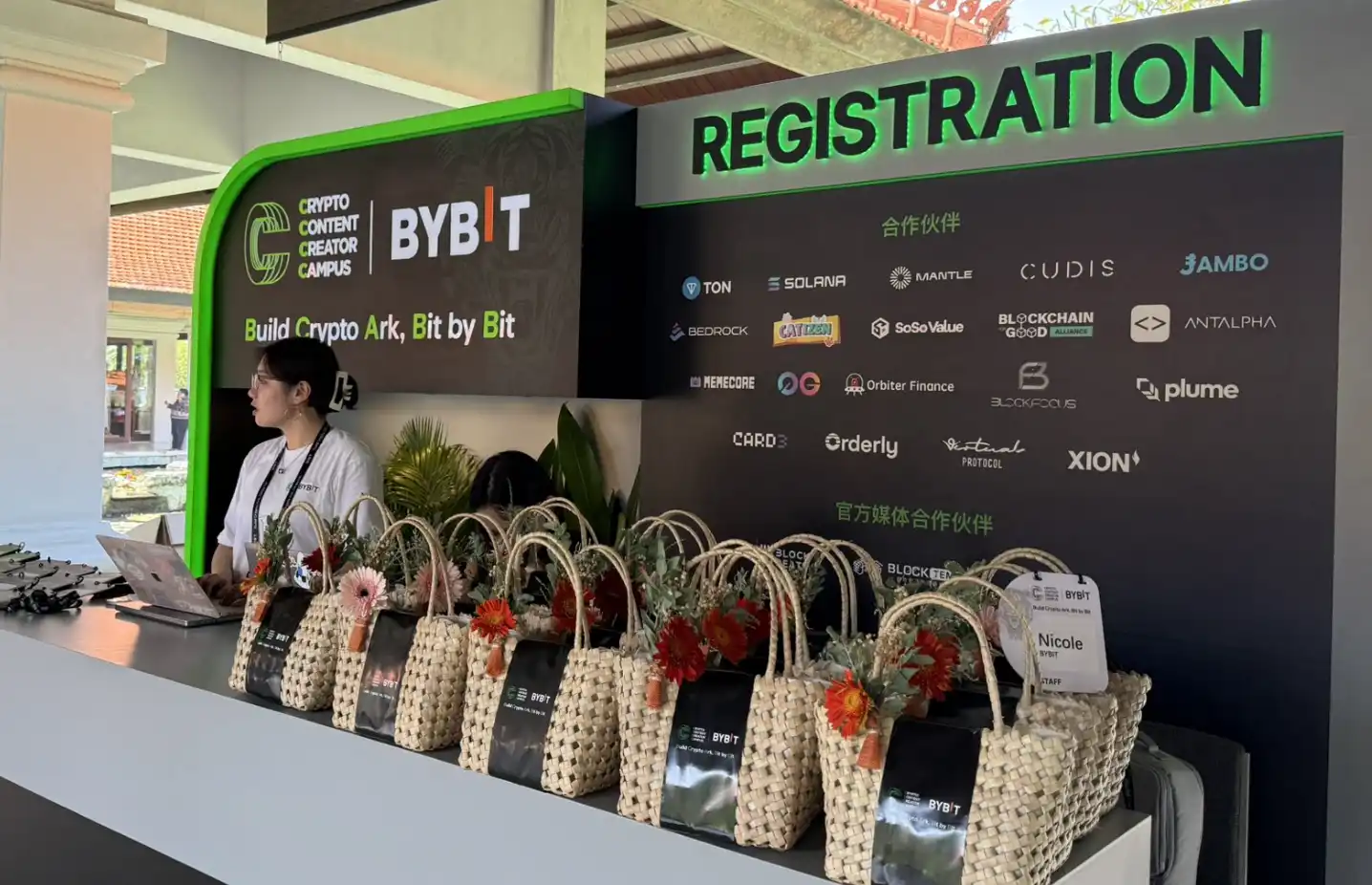
We aim to attract more high-quality content creators through these platforms, encouraging them to engage in long-term creation within our ecosystem. Simultaneously, we will provide more exposure and promotion to outstanding content, helping creators expand their influence, ensuring good content is seen by more users and retained.
How Can Cryptocurrency Content Creators Monetize Their Content?
BlockBeats: In the current market environment, creators generally face issues such as traffic anxiety and limited monetization models. How will CCCC jointly build a sustainable content business ecosystem?
Phoebe: Towards the end of last year when discussing thematic directions, we initiated preliminary thoughts around "How can content creators monetize." We outlined several typical paths. While the specific areas where CCCC will focus its efforts are still under discussion, these ideas provide a reference framework.
From an individual perspective, the most basic monetization method is to leverage the platform's advertising mechanism, such as YouTube, to earn advertising revenue through content traffic. This falls under the monetization path of brand-type creators.
In the Web3 field, monetization methods are more diverse. Creators can earn rewards by accepting project commissions to publish content, or they can join professional media platforms as contributors to receive stable compensation. In addition, some influential creators may be invited to serve as project advisors or mentors, or even organize a KOL network to integrate content resources and engage in higher-level commercial operations.
As influence further expands and with active community support, communities may spontaneously develop various "native gameplay" activities. For example, creating content assets through issuing memes, NFT emojis, and other forms, which may become new monetization channels. These monetization methods are more characteristic of Web3, emphasizing community co-creation and decentralized value extension.
Moving to a higher stage involves transitioning from a creator to an entrepreneur or product lead. Whether launching physical products or creating digital products or services, these are mature paths to transform influence into business value.
These are our current phased thoughts on "how content can be monetized". This year, we will further delve into this topic in Lisbon and attempt to build a system to support content creators' monetization. It is currently in the exploration phase, and specific execution plans have not yet been implemented.
BlockBeats: What advice do you have for young creators and independent KOLs who want to enter the encrypted content creation field? What future resource support can CCCC and Bybit provide?
Phoebe: I think the most important point is that you must truly love content creation itself. If I could give you one piece of advice, I would say: make sure you genuinely enjoy creating and identify with the values of the crypto industry. Only then can you persist even without traffic, proactively learn, continuously improve, and find your own way of expression.
If you love creating, enjoy the process of refining content, then you will naturally seek out more tools, participate in CCCC conferences, meet other creators, expand your horizons continuously, and eventually grow into a content producer who can bring long-term value to the industry.
The crypto industry experiences bull and bear cycles. In a bull market, both project teams and content creators are likely to quickly monetize and receive positive feedback; however, in a bear market, these rewards may become scarce. It is for this reason that we hope creators act out of love, rather than being driven by short-term incentives.
Whether you are a newcomer who has just entered the industry or an established influencer, it is worth reminding yourself at all times: why did you choose to create content in the first place, and what do you hope to leave behind for this industry.
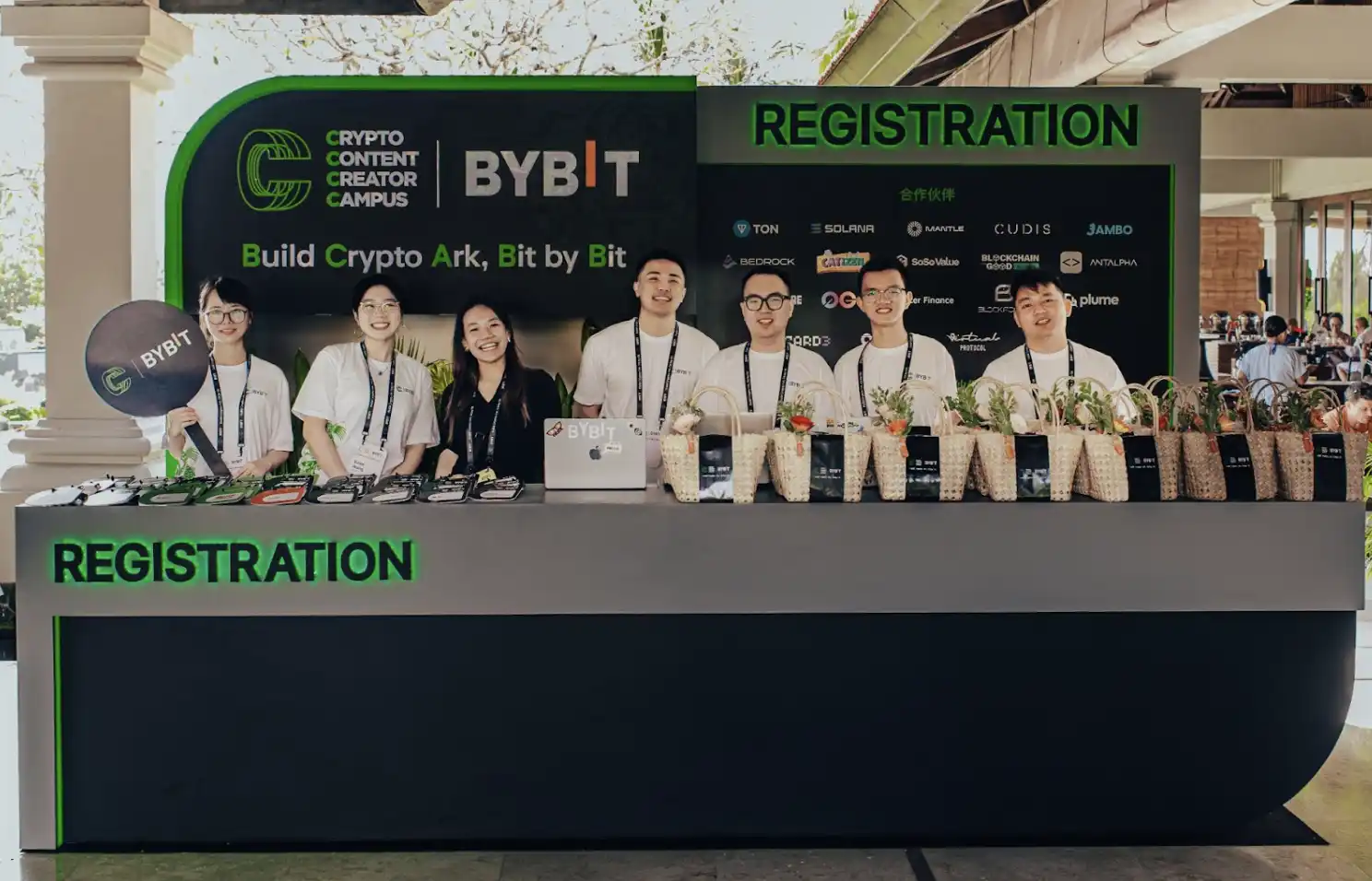
Martin: In addition to the content interaction platform, we also plan to launch a feature similar to a "Square" for friendly businesses, accompanied by the release of bounty tasks. After creators publish relevant content, they will not only receive basic rewards, but we will also launch a points mall in the future where users can exchange points for different benefits. Currently, this part is still in the design phase.
We not only encourage content creation but also hope to help more people enter the industry in a better way through this method. You just mentioned that you hope to earn additional income through content creation, but the path to enter this industry is much more than just this one.
For example, if you are interested in community management, you can join our official ambassador program to accompany users in the community and provide support. We also have various roles suitable for people with different skill backgrounds to participate. The key is to enter the industry first to have the opportunity to find a position that suits you.
Everyone sees different opportunities, and the path that suits others may not necessarily suit you. The most important thing is to get involved first, understand how this industry operates, find your own pace and direction, and naturally discover a monetization method that suits you, expanding your sources of income.
猜你喜歡

穩定幣驅動全球B2B支付革新,如何打破工作流程瓶頸釋放兆市場潛力?
這些新創公司正在無需資料中心的情況下建立先進AI模型
科學平權運動:DeSci的萬億美元知識經濟重建革命
Sentient深度研報:獲8,500萬美元融資,建置去中心化AGI新範式
專訪Virtuals聯創empty:AI 創業不需要大量資金,Crypto是答案之一
今年 2 月,Base 生態中的 AI 協議 Virtuals 宣布跨鏈至 Solana,然而加密市場隨後進入流動性緊縮期,AI Agent 板塊從人聲鼎沸轉為低迷,Virtuals 生態也陷入一段蟄伏期。
三月初,BlockBeats 對 Virtuals 共同創辦人 empty 進行了一次專訪。彼時,團隊尚未推出如今被廣泛討論的 Genesis Launch 機制,但已在內部持續探索如何透過機制設計激活舊資產、提高用戶參與度,並重構代幣發行與融資路徑。那是一個市場尚未復甦、生態尚處冷啟動階段的時間點,Virtuals 團隊卻沒有停下腳步,而是在努力尋找新的產品方向和敘事突破口。
兩個月過去,AI Agent 板塊重新升溫,Virtuals 代幣反彈超 150%,Genesis 機製成為帶動生態回暖的重要觸發器。從積分獲取規則的動態調整,到專案參與熱度的持續上升,再到「新代幣帶老代幣」的機制閉環,Virtuals 逐漸走出寒冬,並再次站上討論焦點。
值得注意的是,Virtuals 的 Genesis 機制與近期 Binance 推出的 Alpha 積分系統有一些相似之處,評估用戶在 Alpha 和幣安錢包生態系統內的參與度,決定用戶 Alpha 代幣空投的資格。用戶可透過持倉、交易等方式獲得積分,積分越高,參與新項目的機會越大。透過積分系統篩選使用者、分配資源,專案方能夠更有效地激勵社群參與,提升專案的公平性和透明度。 Virtuals 和 Binance 的探索,或許預示著加密融資的新趨勢正在形成。
回看這次對話,empty 在專訪中所展現出的思路與判斷,正在一步步顯現其前瞻性,這不僅是一場圍繞打新機制的訪談,更是一次關於“資產驅動型 AI 協議”的路徑構建與底層邏輯的深度討論。
BlockBeats:可以簡單分享一下最近團隊主要在忙些什麼?
empty:目前我們的工作重點主要有兩個部分。第一部分,我們希望將 Virtuals 打造成一個類似「華爾街」的代理人(Agent)服務平台。設想一下,如果你是專注於 Agent 或 Agent 團隊建立的創業者,從融資、發幣到流動性退出,整個流程都需要係統性的支援。我們希望為真正專注於 Agent 和 AI 研發的團隊,提供這一整套服務體系,讓他們可以把精力集中在底層能力的開發上,而不用為其他環節分心。這一塊的工作其實也包括了與散戶買賣相關的內容,後面可以再詳細展開。
第二部分,我們正在深入推進 AI 相關的佈局。我們的願景是建立一個 AI 社會,希望每個 Agent 都能聚焦自身優勢,同時透過彼此之間的協作,實現更大的價值。因此,最近我們發布了一個新的標準——ACP(Agent Communication Protocol),目的是讓不同的 Agent 能夠相互互動、協作,共同推動各自的業務目標。這是目前我們主要在推進的兩大方向。
BlockBeats:可以再展開說說嗎?
empty:在我看來,其實我們面對的客戶群可以分為三類:第一類是專注於開發 Agent 的團隊;第二類是投資者,包括散戶、基金等各種投資機構;第三類則是 C 端用戶,也就是最終使用 Agent 產品的個人用戶。
不過,我們主要的精力其實是放在前兩大類──也就是團隊和投資人。對於 C 端用戶這一塊,我們並不打算直接介入,而是希望各個 Agent 團隊能夠自己解決 C 端市場的拓展問題。
此外,我們也認為,Agent 與 Agent 之間的交互作用應該成為一個核心模式。簡單來說,就是未來的服務更多應該是由一個 Agent 銷售或提供給另一個 Agent,而不是單純賣給人類使用者。因此,在團隊的 BD 工作中,我們也積極幫助現有的 AI 團隊尋找這樣的客戶和合作機會。
BlockBeats:大概有一些什麼具體案例呢?
empty:「華爾街」說白了就是圍繞資本運作體系的建設,假設你是一個技術團隊,想要融資,傳統路徑是去找 VC 募資,拿到資金後開始發展。如果專案做得不錯,接下來可能會考慮進入二級市場,例如在紐約證券交易所上市,或是在 Binance 這樣的交易所上幣,實現流動性退出。
我們希望把這一整套流程打通-從早期融資,到專案開發過程中對資金的靈活使用需求,再到最終二級市場的流動性退出,全部覆蓋和完善,這是我們希望補齊的一條完整鏈條。
而這一部分的工作和 ACP(Agent Communication Protocol)是不同的,ACP 更多是關於 Agent 與 Agent 之間交互標準的製定,不直接涉及資本運作系統。
BlockBeats:它和現在 Virtuals 的這個 Launchpad 有什麼差別呢?資金也是從 C 端來是嗎?
empty:其實現在你在 Virtuals 上發幣,如果沒有真正融到資金,那就只是發了一個幣而已,實際是融不到錢的。我們目前能提供的服務,是透過設定買賣時的交易稅機制,從中提取一部分稅收回饋給創業者,希望這部分能成為他們的現金流來源。
不過,問題其實還分成兩塊。第一是如何真正幫助團隊完成融資,這個問題目前我們還沒有徹底解決。第二是關於目前專案發行模式本身存在的結構性問題。簡單來說,現在的版本有點像過去 Pumpfun 那種模式——也就是當專案剛上線時,部分籌碼就被外賣給了外部投資人。但現實是,目前整個市場上存在著太多機構集團和「狙擊手」。
當一個真正優秀的專案一發幣,還沒真正觸達普通散戶,就已經被機構在極高估值時搶購了。等到散戶能夠接觸到時,往往價格已經偏高,專案品質也可能變差,整個價值發行體係被扭曲。
針對這個問題,我們希望探索一種新的發幣和融資模式,目的是讓專案方的籌碼既不是死死握在自己手裡,也不是優先流向英文圈的大機構,而是能夠真正留給那些相信專案、願意長期支持專案的普通投資者手中。我們正在思考該如何設計這樣一個新的發行機制,來解決這個根本問題。
BlockBeats:新模式的具體想法會是什麼樣子呢?
empty:關於資金這一塊,其實我們目前還沒有完全想透。現階段來看,最直接的方式還是去找 VC 融資,或是採取公開預售等形式進行資金募集。不過說實話,我個人對傳統的公開預售模式並不是特別認同。
在「公平發售」這件事上,我們正在嘗試換一個角度來思考-希望能從「reputation」出發,重新設計機制。
具體來說,就是如果你對整個 Virtuals 生態有貢獻,例如早期參與、提供支持或建設,那麼你就可以在後續購買優質代幣時享有更高的優先權。透過這種方式,我們希望把資源更多留給真正支持生態發展的用戶,而不是由短期套利的人主導。
BlockBeats:您會不會考慮採用類似之前 Fjord Foundry 推出的 LBP 模式,或者像 Daos.fun 那種採用白名單機制的模式。這些模式在某種程度上,和您剛才提到的「對生態有貢獻的人享有優先權」的想法是有些相似的。不過,這類做法後來也引發了一些爭議,例如白名單內部操作、分配不公等問題。 Virtuals 在設計時會考慮借鏡這些模式的優點,或有針對性地規避類似的問題嗎?
empty:我認為白名單機制最大的問題在於,白名單的選擇權掌握在專案方手中。這和「老鼠倉」行為非常相似。專案方可以選擇將白名單名額分配給自己人或身邊的朋友,導致最終的籌碼仍然掌握在少數人手中。
我們希望做的,依然是類似白名單的機制,但不同的是,白名單的獲取權應基於一個公開透明的規則體系,而不是由項目方單方面決定。只有這樣,才能真正做到公平分配,避免內幕操作的問題。
我認為在今天這個 AI 時代,很多時候創業並不需要大量資金。我常跟團隊強調,你們應該優先考慮自力更生,例如透過組成社區,而不是一開始就想著去融資。因為一旦融資,實際上就等於背負了負債。
我們更希望從 Training Fee的角度去看待早期發展路徑。也就是說,專案可以選擇直接發幣,透過交易稅所帶來的現金流,支持日常營運。這樣一來,專案可以在公開建設的過程中獲得初步資金,而不是依賴外部投資。如果專案做大了,自然也會有機會透過二級市場流動性退出。
當然最理想的情況是,專案本身能夠有穩定的現金流來源,這樣甚至連自己的幣都無需拋售,這才是真正健康可持續的狀態。
我自己也常在和團隊交流時分享這種思路,很有意思的是,那些真正抱著「搞快錢」心態的項目,一聽到這種機制就失去了興趣。他們會覺得,在這種模式下,既無法操作老鼠倉,也很難短期套利,於是很快就選擇離開。
但從我們的角度來看,這其實反而是個很好的篩選機制。透過這種方式,理念不同的專案自然會被過濾出去,最後留下的,都是那些願意真正建立、和我們價值觀契合的團隊,一起把事情做起來。
BlockBeats:這個理念可以發展出一些能夠創造收益的 AI agent。
empty:我覺得這是很有必要的。坦白說,放眼今天的市場,真正擁有穩定現金流的產品幾乎鳳毛麟角,但我認為這並不意味著我們應該停止嘗試。事實上,我們每天在對接的團隊中,有至少一半以上的人依然懷抱著長遠的願景。很多時候,他們甚至已經提前向我們提供了 VC 階段的資金支持,或表達了強烈的合作意願。
其實對他們來說想要去收穫一個很好的社區,因為社區可以給他們的產品做更好的回饋,這才是他們真正的目的。這樣聽起來有一點匪夷所思,但其實真的有很多這樣的團隊,而那種團隊的是我們真的想扶持的團隊。
BlockBeats:您剛才提到的這套「AI 華爾街」的產品體系-從融資、發行到退出,建構的是一整套完整的流程。這套機制是否更多是為了激勵那些有意願發幣的團隊?還是說,它在設計上也考慮瞭如何更好地支持那些希望透過產品本身的現金流來發展的團隊?這兩類團隊在您這套體系中會不會被區別對待,或者說有什麼機制設計能讓不同路徑的創業者都能被合理支持?
empty:是的,我們 BD 的核心職責其實就是去鼓勵團隊發幣。說得直接一點,就是引導他們思考發幣的可能性和意義。所以團隊最常問的問題就是:「為什麼要發幣?」這時我們需要採取不同的方式和角度,去幫助他們理解背後的價值邏輯。當然如果最終判斷不適合,我們也不會強迫他們推進。
不過我們觀察到一個非常明顯的趨勢,傳統的融資路徑已經越來越難走通了。過去那種融資做大,發幣上所的模式已經逐漸失效。面對這樣的現實,很多團隊都陷入了尷尬的境地。而我們希望能從鏈上和加密的視角,提供一套不同的解決方案,讓他們找到新的發展路徑。
BlockBeats:明白,我剛才其實想表達的是,您剛剛也提到,傳統的 AI 模式在很大程度上仍然依賴「燒錢」競爭。但在 DeepSeek 出現之後,市場上一些資金體積較小的團隊或投資人開始重新燃起了信心,躍躍欲試地進入這個領域。您怎麼看待這種現象?這會不會對目前正在做 AI 基礎研發,或是 AI 應用層開發的團隊產生一定的影響?
empty:對,我覺得先不談 DeepSeek,從傳統角度來看,其實到目前為止,AI 領域真正賺錢的只有英偉達,其他幾乎所有玩家都還沒有實現盈利。所以其實沒有人真正享受了這個商業模式的成果,大家也仍在探索如何面對 C 端打造真正有產出的應用。
沒有哪個領域像幣圈一樣能如此快速獲得社群回饋。你一發幣,用戶就會主動去讀白皮書的每一個字,試試你產品的每個功能。
當然,這套機制並不適合所有人。例如有些 Agent 產品偏 Web2,對於幣圈用戶而言,可能感知不到其價值。因此,我也會鼓勵做 Agent 的團隊在 Virtuals 生態中認真思考,如何真正將 Crypto 作為自身產品的差異化要素加以運用與設計。
BlockBeats:這點我特別認同,在 Crypto 這個領域 AI 的迭代速度確實非常快,但這群用戶給予的回饋,真的是代表真實的市場需求嗎?或者說這些回饋是否真的符合更大眾化、更具規模性的需求?
empty:我覺得很多時候產品本身不應該是強行推廣給不適合的使用者群體。例如 AIXBT 最成功的一點就在於,它的用戶本身就是那群炒作他人內容的人,所以他們的使用行為是非常自然的,並不覺得是在被迫使用一個無聊的產品。 mass adoption 這個概念已經講了很多年,大家可能早就該放棄這個執念了。我們不如就認了,把東西賣給幣圈的人就好了。
BlockBeats:AI Agent 與 AI Agent 所對應的代幣之間,究竟應該是什麼樣的動態關係?
empty:對,我覺得這裡可以分成兩個核心點。首先其實不是在投資某個具體的 AI Agent,而是在投資背後經營這個 Agent 的團隊。你應該把它理解為一種更接近創投的思路:你投的是這個人,而不是他目前正在做的產品。因為產品本身是可以快速變化的,可能一個月後團隊會發現方向不對,立即調整。所以,這裡的「幣」本質上代表的是對團隊的信任,而不是某個特定 Agent 本身。
第二則是期望一旦某個 Agent 產品做出來後,未來它能真正產生現金流,或者有實際的使用場景(utility),從而讓對應的代幣具備賦能效應。
BlockBeats:您覺得有哪些賦能方式是目前還沒看到的,但未來可能出現、值得期待的?
empty:其實主要有兩塊,第一是比較常見的那種你要使用我的產品,就必須付費,或者使用代幣支付,從而間接實現對代幣的「軟銷毀」或消耗。
但我覺得更有趣的賦能方式,其實是在獲客成本的角度思考。也就是說,你希望你的用戶同時也是你的投資者,這樣他們就有動機去主動幫你推廣、吸引更多用戶。
BlockBeats:那基於這些觀點,您怎麼看 ai16z,在專案設計和代幣機制方面,似乎整體表現並不太樂觀?
empty:從一個很純粹的投資角度來看,撇開我們與他們之間的關係,其實很簡單。他們現在做的事情,對代幣本身沒有任何賦能。從開源的角度來看,一個開源模型本身是無法直接賦能代幣的。
但它仍然有價值的原因在於,它像一個期權(call option),也就是說,如果有一天他們突然決定要做一些事情,比如推出一個 launchpad,那麼那些提前知道、提前參與的人,可能會因此受益。
開發者未來確實有可能會使用他們的 Launchpad,只有在那一刻,代幣才會真正產生賦能。這是目前最大的一個問號——如果這個模式真的跑得通,我認為確實會非常強大,因為他們的確觸達了大量開發者。
但我個人還是有很多疑問。例如即使我是使用 Eliza 的開發者,也不代表我一定會選擇在他們的 Launchpad 上發幣。我會貨比三家,會比較。而且,做一個 Launchpad 和做一個開源框架,所需的產品能力和社群運作能力是完全不同的,這是另一個重要的不確定性。
BlockBeats:這種不同是體現在什麼地方呢?
empty:在 Virtuals 上我們幾乎每天都在處理客服相關的問題,只要有任何一個團隊在我們平台上發生 rug,即使與我們沒有直接關係,用戶也會第一時間來找我們投訴。
這時我們就必須出面安撫用戶,並思考如何降低 rug 的整體風險。一旦有團隊因為自己的代幣設計錯誤或技術失誤而被駭客攻擊、資產被盜,我們往往需要自掏腰包,確保他們的社群至少能拿回一點資金,以便專案能夠重新開始。這些項目方可能在技術上很強,但未必擅長代幣發行,結果因操作失誤被攻擊導致資產損失。只要涉及「被欺騙」相關的問題,對我們來說就已經是非常麻煩的事了,做這些工作跟做交易所的客服沒有太大差別。
另一方面,做 BD 也非常困難。優秀的團隊手上有很多選擇,他們可以選擇在 Pumpfun 或交易所上發幣,為什麼他們要來找我們,那這背後必須要有一整套支援體系,包括融資支援、技術協助、市場推廣等,每個環節都不能出問題。
BlockBeats:那我們就繼續沿著這個話題聊聊 Virtuals 目前的 Launchpad 業務。有一些社群成員在 Twitter 上統計了 Virtuals Launchpad 的整體獲利狀況,確實目前看起來獲利的項目比較少。接下來 Launchpad 還會是 Virtuals 的主要業務區嗎?還是說,未來的重心會逐漸轉向您剛才提到的「AI 華爾街」這條路徑?
empty:其實這兩塊本質上是一件事,是一整套體系的一部分,所以我們必須繼續推進。市場的波動是很正常的,我們始終要堅持的一點是:非常清楚地認識到我們的核心客戶是誰。我一直強調我們的客戶只有兩類——團隊。所以市場行情的好壞對我們來說並不是最重要的,關鍵是在每一個關鍵節點上,對於一個團隊來說,發幣的最佳選擇是否依然是我們 Virtuals。
BlockBeats:您會不會擔心「Crypto + AI」或「Crypto AI Agent」這一類敘事已經過去了?如果未來還有一輪多頭市場,您是否認為市場炒作的焦點可能已經不再是這些方向了?
empty:有可能啊,我覺得 it is what it is,這確實是有可能發生的,但這也屬於我們無法控制的範圍。不過如果你問我,在所有可能的趨勢中,哪個賽道更有機會長期保持領先,我仍然認為是 AI。從一個打德撲的角度來看,它仍然是最優選擇。
而且我們團隊的技術架構和底層能力其實早已搭建完成了,現在只是順勢而為而已。更重要的是,我們本身真的熱愛這件事,帶著好奇心去做這件事。每天早上醒來就有驅動力去研究最新的技術,這種狀態本身就挺讓人滿足的,對吧?
很多時候,大家不應該只看產品本身。實際上很多優秀的團隊,他們的基因決定了他們有在規則中勝出的能力——他們可能過去在做派盤交易時,每筆規模就是上百萬的操作,而這些團隊的 CEO,一年的薪資可能就有 100 萬美金。如果他們願意出來單幹項目,從天使投資或 VC 的視角來看,這本質上是用一個很划算的價格買到一個高品質的團隊。
更何況這些資產是 liquid 的,不是鎖倉狀態。如果你當下不急著用錢,完全可以在早期階段買進一些優秀團隊的代幣,靜靜等待他們去創造一些奇蹟,基本上就是這樣一個邏輯。
a16z領投2500萬美元,0xMiden要在你手機裡跑一條隱私鏈
Sui Q1進階報告:BTCfi基建崛起、借貸協議爆發與執行分片未來
盤點10大新興Launchpad平台,誰能完成Pump.fun的顛覆?
4月29日市場關鍵情報,你錯過了多少?
「打新帶老」:Genesis Launch如何用積分制重建AI Agent打新邏輯?
專訪AllianceDAO合夥人qw:Crypto創業家正逃向AI,90%的Crypto+AI都是偽命題
AI賽道重拾熱度,全面整理潛力專案與市場炒作邏輯
穩定幣爭霸戰:六路新銳殺出,市場格局生變?
以太坊基金會「三文宣言」:從核心願景到放權改革,Vitalik重申使命
4月28日市場關鍵情報,你錯過了多少?
為什麼貝萊德全面佈局並宣稱代幣化就是民主化?
深入挖掘杜拜的加密夢:幻覺、資本與去中心化帝國
這是VC的冬天,卻也是KOL Agency的春天
穩定幣驅動全球B2B支付革新,如何打破工作流程瓶頸釋放兆市場潛力?
這些新創公司正在無需資料中心的情況下建立先進AI模型
科學平權運動:DeSci的萬億美元知識經濟重建革命
Sentient深度研報:獲8,500萬美元融資,建置去中心化AGI新範式
專訪Virtuals聯創empty:AI 創業不需要大量資金,Crypto是答案之一
今年 2 月,Base 生態中的 AI 協議 Virtuals 宣布跨鏈至 Solana,然而加密市場隨後進入流動性緊縮期,AI Agent 板塊從人聲鼎沸轉為低迷,Virtuals 生態也陷入一段蟄伏期。
三月初,BlockBeats 對 Virtuals 共同創辦人 empty 進行了一次專訪。彼時,團隊尚未推出如今被廣泛討論的 Genesis Launch 機制,但已在內部持續探索如何透過機制設計激活舊資產、提高用戶參與度,並重構代幣發行與融資路徑。那是一個市場尚未復甦、生態尚處冷啟動階段的時間點,Virtuals 團隊卻沒有停下腳步,而是在努力尋找新的產品方向和敘事突破口。
兩個月過去,AI Agent 板塊重新升溫,Virtuals 代幣反彈超 150%,Genesis 機製成為帶動生態回暖的重要觸發器。從積分獲取規則的動態調整,到專案參與熱度的持續上升,再到「新代幣帶老代幣」的機制閉環,Virtuals 逐漸走出寒冬,並再次站上討論焦點。
值得注意的是,Virtuals 的 Genesis 機制與近期 Binance 推出的 Alpha 積分系統有一些相似之處,評估用戶在 Alpha 和幣安錢包生態系統內的參與度,決定用戶 Alpha 代幣空投的資格。用戶可透過持倉、交易等方式獲得積分,積分越高,參與新項目的機會越大。透過積分系統篩選使用者、分配資源,專案方能夠更有效地激勵社群參與,提升專案的公平性和透明度。 Virtuals 和 Binance 的探索,或許預示著加密融資的新趨勢正在形成。
回看這次對話,empty 在專訪中所展現出的思路與判斷,正在一步步顯現其前瞻性,這不僅是一場圍繞打新機制的訪談,更是一次關於“資產驅動型 AI 協議”的路徑構建與底層邏輯的深度討論。
BlockBeats:可以簡單分享一下最近團隊主要在忙些什麼?
empty:目前我們的工作重點主要有兩個部分。第一部分,我們希望將 Virtuals 打造成一個類似「華爾街」的代理人(Agent)服務平台。設想一下,如果你是專注於 Agent 或 Agent 團隊建立的創業者,從融資、發幣到流動性退出,整個流程都需要係統性的支援。我們希望為真正專注於 Agent 和 AI 研發的團隊,提供這一整套服務體系,讓他們可以把精力集中在底層能力的開發上,而不用為其他環節分心。這一塊的工作其實也包括了與散戶買賣相關的內容,後面可以再詳細展開。
第二部分,我們正在深入推進 AI 相關的佈局。我們的願景是建立一個 AI 社會,希望每個 Agent 都能聚焦自身優勢,同時透過彼此之間的協作,實現更大的價值。因此,最近我們發布了一個新的標準——ACP(Agent Communication Protocol),目的是讓不同的 Agent 能夠相互互動、協作,共同推動各自的業務目標。這是目前我們主要在推進的兩大方向。
BlockBeats:可以再展開說說嗎?
empty:在我看來,其實我們面對的客戶群可以分為三類:第一類是專注於開發 Agent 的團隊;第二類是投資者,包括散戶、基金等各種投資機構;第三類則是 C 端用戶,也就是最終使用 Agent 產品的個人用戶。
不過,我們主要的精力其實是放在前兩大類──也就是團隊和投資人。對於 C 端用戶這一塊,我們並不打算直接介入,而是希望各個 Agent 團隊能夠自己解決 C 端市場的拓展問題。
此外,我們也認為,Agent 與 Agent 之間的交互作用應該成為一個核心模式。簡單來說,就是未來的服務更多應該是由一個 Agent 銷售或提供給另一個 Agent,而不是單純賣給人類使用者。因此,在團隊的 BD 工作中,我們也積極幫助現有的 AI 團隊尋找這樣的客戶和合作機會。
BlockBeats:大概有一些什麼具體案例呢?
empty:「華爾街」說白了就是圍繞資本運作體系的建設,假設你是一個技術團隊,想要融資,傳統路徑是去找 VC 募資,拿到資金後開始發展。如果專案做得不錯,接下來可能會考慮進入二級市場,例如在紐約證券交易所上市,或是在 Binance 這樣的交易所上幣,實現流動性退出。
我們希望把這一整套流程打通-從早期融資,到專案開發過程中對資金的靈活使用需求,再到最終二級市場的流動性退出,全部覆蓋和完善,這是我們希望補齊的一條完整鏈條。
而這一部分的工作和 ACP(Agent Communication Protocol)是不同的,ACP 更多是關於 Agent 與 Agent 之間交互標準的製定,不直接涉及資本運作系統。
BlockBeats:它和現在 Virtuals 的這個 Launchpad 有什麼差別呢?資金也是從 C 端來是嗎?
empty:其實現在你在 Virtuals 上發幣,如果沒有真正融到資金,那就只是發了一個幣而已,實際是融不到錢的。我們目前能提供的服務,是透過設定買賣時的交易稅機制,從中提取一部分稅收回饋給創業者,希望這部分能成為他們的現金流來源。
不過,問題其實還分成兩塊。第一是如何真正幫助團隊完成融資,這個問題目前我們還沒有徹底解決。第二是關於目前專案發行模式本身存在的結構性問題。簡單來說,現在的版本有點像過去 Pumpfun 那種模式——也就是當專案剛上線時,部分籌碼就被外賣給了外部投資人。但現實是,目前整個市場上存在著太多機構集團和「狙擊手」。
當一個真正優秀的專案一發幣,還沒真正觸達普通散戶,就已經被機構在極高估值時搶購了。等到散戶能夠接觸到時,往往價格已經偏高,專案品質也可能變差,整個價值發行體係被扭曲。
針對這個問題,我們希望探索一種新的發幣和融資模式,目的是讓專案方的籌碼既不是死死握在自己手裡,也不是優先流向英文圈的大機構,而是能夠真正留給那些相信專案、願意長期支持專案的普通投資者手中。我們正在思考該如何設計這樣一個新的發行機制,來解決這個根本問題。
BlockBeats:新模式的具體想法會是什麼樣子呢?
empty:關於資金這一塊,其實我們目前還沒有完全想透。現階段來看,最直接的方式還是去找 VC 融資,或是採取公開預售等形式進行資金募集。不過說實話,我個人對傳統的公開預售模式並不是特別認同。
在「公平發售」這件事上,我們正在嘗試換一個角度來思考-希望能從「reputation」出發,重新設計機制。
具體來說,就是如果你對整個 Virtuals 生態有貢獻,例如早期參與、提供支持或建設,那麼你就可以在後續購買優質代幣時享有更高的優先權。透過這種方式,我們希望把資源更多留給真正支持生態發展的用戶,而不是由短期套利的人主導。
BlockBeats:您會不會考慮採用類似之前 Fjord Foundry 推出的 LBP 模式,或者像 Daos.fun 那種採用白名單機制的模式。這些模式在某種程度上,和您剛才提到的「對生態有貢獻的人享有優先權」的想法是有些相似的。不過,這類做法後來也引發了一些爭議,例如白名單內部操作、分配不公等問題。 Virtuals 在設計時會考慮借鏡這些模式的優點,或有針對性地規避類似的問題嗎?
empty:我認為白名單機制最大的問題在於,白名單的選擇權掌握在專案方手中。這和「老鼠倉」行為非常相似。專案方可以選擇將白名單名額分配給自己人或身邊的朋友,導致最終的籌碼仍然掌握在少數人手中。
我們希望做的,依然是類似白名單的機制,但不同的是,白名單的獲取權應基於一個公開透明的規則體系,而不是由項目方單方面決定。只有這樣,才能真正做到公平分配,避免內幕操作的問題。
我認為在今天這個 AI 時代,很多時候創業並不需要大量資金。我常跟團隊強調,你們應該優先考慮自力更生,例如透過組成社區,而不是一開始就想著去融資。因為一旦融資,實際上就等於背負了負債。
我們更希望從 Training Fee的角度去看待早期發展路徑。也就是說,專案可以選擇直接發幣,透過交易稅所帶來的現金流,支持日常營運。這樣一來,專案可以在公開建設的過程中獲得初步資金,而不是依賴外部投資。如果專案做大了,自然也會有機會透過二級市場流動性退出。
當然最理想的情況是,專案本身能夠有穩定的現金流來源,這樣甚至連自己的幣都無需拋售,這才是真正健康可持續的狀態。
我自己也常在和團隊交流時分享這種思路,很有意思的是,那些真正抱著「搞快錢」心態的項目,一聽到這種機制就失去了興趣。他們會覺得,在這種模式下,既無法操作老鼠倉,也很難短期套利,於是很快就選擇離開。
但從我們的角度來看,這其實反而是個很好的篩選機制。透過這種方式,理念不同的專案自然會被過濾出去,最後留下的,都是那些願意真正建立、和我們價值觀契合的團隊,一起把事情做起來。
BlockBeats:這個理念可以發展出一些能夠創造收益的 AI agent。
empty:我覺得這是很有必要的。坦白說,放眼今天的市場,真正擁有穩定現金流的產品幾乎鳳毛麟角,但我認為這並不意味著我們應該停止嘗試。事實上,我們每天在對接的團隊中,有至少一半以上的人依然懷抱著長遠的願景。很多時候,他們甚至已經提前向我們提供了 VC 階段的資金支持,或表達了強烈的合作意願。
其實對他們來說想要去收穫一個很好的社區,因為社區可以給他們的產品做更好的回饋,這才是他們真正的目的。這樣聽起來有一點匪夷所思,但其實真的有很多這樣的團隊,而那種團隊的是我們真的想扶持的團隊。
BlockBeats:您剛才提到的這套「AI 華爾街」的產品體系-從融資、發行到退出,建構的是一整套完整的流程。這套機制是否更多是為了激勵那些有意願發幣的團隊?還是說,它在設計上也考慮瞭如何更好地支持那些希望透過產品本身的現金流來發展的團隊?這兩類團隊在您這套體系中會不會被區別對待,或者說有什麼機制設計能讓不同路徑的創業者都能被合理支持?
empty:是的,我們 BD 的核心職責其實就是去鼓勵團隊發幣。說得直接一點,就是引導他們思考發幣的可能性和意義。所以團隊最常問的問題就是:「為什麼要發幣?」這時我們需要採取不同的方式和角度,去幫助他們理解背後的價值邏輯。當然如果最終判斷不適合,我們也不會強迫他們推進。
不過我們觀察到一個非常明顯的趨勢,傳統的融資路徑已經越來越難走通了。過去那種融資做大,發幣上所的模式已經逐漸失效。面對這樣的現實,很多團隊都陷入了尷尬的境地。而我們希望能從鏈上和加密的視角,提供一套不同的解決方案,讓他們找到新的發展路徑。
BlockBeats:明白,我剛才其實想表達的是,您剛剛也提到,傳統的 AI 模式在很大程度上仍然依賴「燒錢」競爭。但在 DeepSeek 出現之後,市場上一些資金體積較小的團隊或投資人開始重新燃起了信心,躍躍欲試地進入這個領域。您怎麼看待這種現象?這會不會對目前正在做 AI 基礎研發,或是 AI 應用層開發的團隊產生一定的影響?
empty:對,我覺得先不談 DeepSeek,從傳統角度來看,其實到目前為止,AI 領域真正賺錢的只有英偉達,其他幾乎所有玩家都還沒有實現盈利。所以其實沒有人真正享受了這個商業模式的成果,大家也仍在探索如何面對 C 端打造真正有產出的應用。
沒有哪個領域像幣圈一樣能如此快速獲得社群回饋。你一發幣,用戶就會主動去讀白皮書的每一個字,試試你產品的每個功能。
當然,這套機制並不適合所有人。例如有些 Agent 產品偏 Web2,對於幣圈用戶而言,可能感知不到其價值。因此,我也會鼓勵做 Agent 的團隊在 Virtuals 生態中認真思考,如何真正將 Crypto 作為自身產品的差異化要素加以運用與設計。
BlockBeats:這點我特別認同,在 Crypto 這個領域 AI 的迭代速度確實非常快,但這群用戶給予的回饋,真的是代表真實的市場需求嗎?或者說這些回饋是否真的符合更大眾化、更具規模性的需求?
empty:我覺得很多時候產品本身不應該是強行推廣給不適合的使用者群體。例如 AIXBT 最成功的一點就在於,它的用戶本身就是那群炒作他人內容的人,所以他們的使用行為是非常自然的,並不覺得是在被迫使用一個無聊的產品。 mass adoption 這個概念已經講了很多年,大家可能早就該放棄這個執念了。我們不如就認了,把東西賣給幣圈的人就好了。
BlockBeats:AI Agent 與 AI Agent 所對應的代幣之間,究竟應該是什麼樣的動態關係?
empty:對,我覺得這裡可以分成兩個核心點。首先其實不是在投資某個具體的 AI Agent,而是在投資背後經營這個 Agent 的團隊。你應該把它理解為一種更接近創投的思路:你投的是這個人,而不是他目前正在做的產品。因為產品本身是可以快速變化的,可能一個月後團隊會發現方向不對,立即調整。所以,這裡的「幣」本質上代表的是對團隊的信任,而不是某個特定 Agent 本身。
第二則是期望一旦某個 Agent 產品做出來後,未來它能真正產生現金流,或者有實際的使用場景(utility),從而讓對應的代幣具備賦能效應。
BlockBeats:您覺得有哪些賦能方式是目前還沒看到的,但未來可能出現、值得期待的?
empty:其實主要有兩塊,第一是比較常見的那種你要使用我的產品,就必須付費,或者使用代幣支付,從而間接實現對代幣的「軟銷毀」或消耗。
但我覺得更有趣的賦能方式,其實是在獲客成本的角度思考。也就是說,你希望你的用戶同時也是你的投資者,這樣他們就有動機去主動幫你推廣、吸引更多用戶。
BlockBeats:那基於這些觀點,您怎麼看 ai16z,在專案設計和代幣機制方面,似乎整體表現並不太樂觀?
empty:從一個很純粹的投資角度來看,撇開我們與他們之間的關係,其實很簡單。他們現在做的事情,對代幣本身沒有任何賦能。從開源的角度來看,一個開源模型本身是無法直接賦能代幣的。
但它仍然有價值的原因在於,它像一個期權(call option),也就是說,如果有一天他們突然決定要做一些事情,比如推出一個 launchpad,那麼那些提前知道、提前參與的人,可能會因此受益。
開發者未來確實有可能會使用他們的 Launchpad,只有在那一刻,代幣才會真正產生賦能。這是目前最大的一個問號——如果這個模式真的跑得通,我認為確實會非常強大,因為他們的確觸達了大量開發者。
但我個人還是有很多疑問。例如即使我是使用 Eliza 的開發者,也不代表我一定會選擇在他們的 Launchpad 上發幣。我會貨比三家,會比較。而且,做一個 Launchpad 和做一個開源框架,所需的產品能力和社群運作能力是完全不同的,這是另一個重要的不確定性。
BlockBeats:這種不同是體現在什麼地方呢?
empty:在 Virtuals 上我們幾乎每天都在處理客服相關的問題,只要有任何一個團隊在我們平台上發生 rug,即使與我們沒有直接關係,用戶也會第一時間來找我們投訴。
這時我們就必須出面安撫用戶,並思考如何降低 rug 的整體風險。一旦有團隊因為自己的代幣設計錯誤或技術失誤而被駭客攻擊、資產被盜,我們往往需要自掏腰包,確保他們的社群至少能拿回一點資金,以便專案能夠重新開始。這些項目方可能在技術上很強,但未必擅長代幣發行,結果因操作失誤被攻擊導致資產損失。只要涉及「被欺騙」相關的問題,對我們來說就已經是非常麻煩的事了,做這些工作跟做交易所的客服沒有太大差別。
另一方面,做 BD 也非常困難。優秀的團隊手上有很多選擇,他們可以選擇在 Pumpfun 或交易所上發幣,為什麼他們要來找我們,那這背後必須要有一整套支援體系,包括融資支援、技術協助、市場推廣等,每個環節都不能出問題。
BlockBeats:那我們就繼續沿著這個話題聊聊 Virtuals 目前的 Launchpad 業務。有一些社群成員在 Twitter 上統計了 Virtuals Launchpad 的整體獲利狀況,確實目前看起來獲利的項目比較少。接下來 Launchpad 還會是 Virtuals 的主要業務區嗎?還是說,未來的重心會逐漸轉向您剛才提到的「AI 華爾街」這條路徑?
empty:其實這兩塊本質上是一件事,是一整套體系的一部分,所以我們必須繼續推進。市場的波動是很正常的,我們始終要堅持的一點是:非常清楚地認識到我們的核心客戶是誰。我一直強調我們的客戶只有兩類——團隊。所以市場行情的好壞對我們來說並不是最重要的,關鍵是在每一個關鍵節點上,對於一個團隊來說,發幣的最佳選擇是否依然是我們 Virtuals。
BlockBeats:您會不會擔心「Crypto + AI」或「Crypto AI Agent」這一類敘事已經過去了?如果未來還有一輪多頭市場,您是否認為市場炒作的焦點可能已經不再是這些方向了?
empty:有可能啊,我覺得 it is what it is,這確實是有可能發生的,但這也屬於我們無法控制的範圍。不過如果你問我,在所有可能的趨勢中,哪個賽道更有機會長期保持領先,我仍然認為是 AI。從一個打德撲的角度來看,它仍然是最優選擇。
而且我們團隊的技術架構和底層能力其實早已搭建完成了,現在只是順勢而為而已。更重要的是,我們本身真的熱愛這件事,帶著好奇心去做這件事。每天早上醒來就有驅動力去研究最新的技術,這種狀態本身就挺讓人滿足的,對吧?
很多時候,大家不應該只看產品本身。實際上很多優秀的團隊,他們的基因決定了他們有在規則中勝出的能力——他們可能過去在做派盤交易時,每筆規模就是上百萬的操作,而這些團隊的 CEO,一年的薪資可能就有 100 萬美金。如果他們願意出來單幹項目,從天使投資或 VC 的視角來看,這本質上是用一個很划算的價格買到一個高品質的團隊。
更何況這些資產是 liquid 的,不是鎖倉狀態。如果你當下不急著用錢,完全可以在早期階段買進一些優秀團隊的代幣,靜靜等待他們去創造一些奇蹟,基本上就是這樣一個邏輯。


 App
App