

SBF Prison Interview: The Real Reason Democrats Completely Abandoned Me Was Private Donations to Republicans | In-Depth Conversation

Original Interview: Tucker Carlson, American political commentator;
Guest: SBF, FTX Founder;
Original Translation: DeepSeek
Editor's Note: In this interview, SBF and Tucker Carlson discussed his life in prison, interaction with Diddy, betrayal by the Democratic Party, the future of cryptocurrency, and his reflections on effective altruism. SBF described the monotony and challenges of prison life, reflected on the reasons for the FTX crash, and criticized the U.S. Securities and Exchange Commission's (SEC) regulation of the cryptocurrency industry. While he still believes in the principles of effective altruism, he acknowledged that helping others requires a deeper understanding. The interview also touched on SBF's uncertainty about the future and his struggles in legal and interpersonal matters.
The following is the original content (slightly reorganized for readability):
What Is Prison Life Like?
Tucker Carlson: Where are you right now?
SBF: I'm in NDC in Brooklyn, in a small room.
Tucker Carlson: What's it like there? How long have you been there?
SBF: I've been in prison for almost two years.
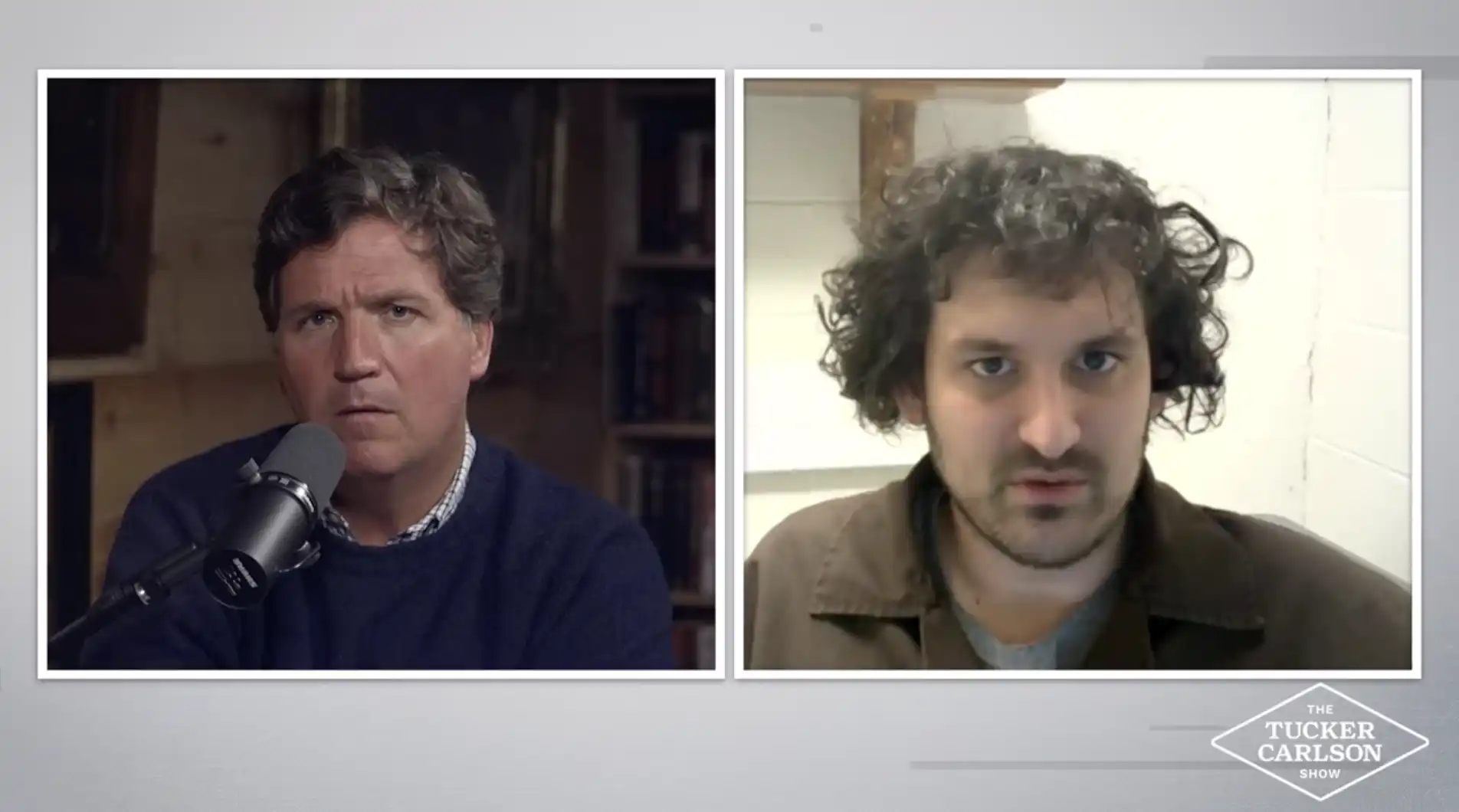
Tucker Carlson: What has the experience been like?
SBF: It's a bit of a dystopian feeling, to be honest. Luckily, there's no physical danger where I am. And truth be told, many of the staff here are indeed trying to help; they are doing what they can under the current constraints. But ultimately, no one wants to be in prison. You can imagine, putting 40 people in a room, all of whom have been charged with at least some crime, and locking them up for years, throwing away the key. In that situation, even the most mundane things become their sole focus.
Tucker Carlson: Really? Have you encountered any issues?
SBF: Nothing particularly severe, like not being physically attacked. But I've had many logistical issues, the most serious of which was that I could hardly access legal materials during my trial. Usually, the process on trial days involves waking me up at four in the morning, then I spend five hours shuttling between various buses, trucks, and holding rooms until the morning hearing starts. Then court goes on until five in the afternoon, followed by another four hours of holding and transportation, so by the time I'm back in my cell, it's already 9 p.m., and by then, I've missed the window to review legal documents. This was the biggest obstacle for my case.
Tucker Carlson: So what do you usually do when you're not in court?
SBF: There's not much to do in prison. I read, started reading novels again, occasionally play chess, and try to prepare as much as possible for my legal cases. I have appeals and other legal matters, so I do everything I can. But the most frustrating thing in prison is the lack of meaningful things to do.
Tucker Carlson: Honestly, we haven't talked before, but I've been following you. I also want to say that regardless of what someone is accused of or has done, I feel sorry for all people in prison. I don't think people should be locked up.
Tucker Carlson: Of course, I know the law requires it, but I really feel sorry for everyone in jail. You can call me a "liberal," but I have to say, after two years of prison, you actually look healthier and less tense than before.
SBF: You know, I had a lot of time to reflect on how to communicate with people. Looking back, I think I didn't do well in communication, especially when the crisis first broke out and in the following month. I made a mistake I often make—I got lost in the details and forgot to see the big picture.
Did SBF take drugs before going to jail?
Tucker Carlson: Every time I saw you on TV, you seemed excited as if you had taken Adderall. But now you don't seem like that. Did you really not take anything back then?
SBF: No, I didn't. My thinking was almost stagnant because there were too many things to handle. Usually, during the FTX days, I would be giving interviews, but at the same time, there might be two urgent issues in the company that needed to be resolved. So I would be replying to messages on Slack while doing the interview. Additionally, I knew there were other things to do after the interview, and I hadn't prepared yet, so I was already trying to plan ahead in my mind.
Tucker Carlson: So the digital world might not be good for us? What's your opinion? You are now forced to stay away from your phone, that feeling must be quite significant, right?
SBF: Indeed, but if you ask me, I still prefer the digital world. Ultimately, for me, it's not about enjoyment, entertainment, or leisure; it's about productivity and the ability to make an impact in the world. From that perspective, without the digital world, achieving anything would become exceptionally difficult.
SBF Meets Diddy in Prison
Tucker Carlson: So did you make any friends there? How was your interaction with Diddy? I heard he was in there too.
SBF: Yes, he was indeed. But... I don't know how to put it. He was quite friendly to me. I also made some friends. The environment here is peculiar, with a few high-profile individuals similar to me, as well as many young people, or some so-called former gang members and the like.
Tucker Carlson: Indeed, the "so-called" former gang members. So, how was Diddy himself?
SBF: I only saw one side of him, the real-life Diddy. He was friendly to everyone here, including me. But this is definitely a place no one wants to be in. Obviously, he doesn't want to be here, and I want even less. As he put it, this place is soul-crushing for anyone. And what we can interact with here is just the people around us in the same situation, not the outside world.
Tucker Carlson: Right, I can imagine. And you two are arguably the most famous prisoners in the world, locked up in the same facility. How do others, like those armed robbers, view you both?
SBF: That's an interesting question. Of course, some people might see this as an opportunity to meet people from different circles that they wouldn't normally have a chance to encounter. From their perspective, this idea actually makes sense, although it's completely the opposite for me.
Tucker Carlson: So you don't see it that way, do you?
SBF: No, but sometimes, laughter might be the only thing you can do. You know? These people are particularly good at chess, that's one thing I've learned here. For example, those former armed robbers from the past, many of them can't speak English, may not even have completed middle school, but they are quite good at chess. Of course, I'm not saying they are grandmasters, but their level far exceeded my expectations. I often lose to them, which I never expected.
SBF's Shift in Perspective after Prison
Tucker Carlson: Have these experiences altered your perspective?
SBF: I think this is just a part of a broader awareness. One of the most profound things I've learned in my life, and something I still don't fully understand, is—our so-called intelligence, IQ, of course, is important, hard work is crucial, but beyond that, there are some things we can't accurately define. I still haven't found the right words to describe it. But some individuals, with these indescribable qualities, demonstrate extraordinary abilities that even surpass everyone's expectations.
Of course, not everyone possesses these traits, and everyone's situation is unique. But at FTX, we often encounter such situations—some individuals who, based on their resumes, seem to lack any standout achievements or relevant experience, yet end up outperforming the majority of the company. They have resilience, intuition, a strong sense of commitment; they know how to work, how to collaborate with others, and how to quickly find solutions to problems. These qualities often prove to be more important than mere intelligence or experience.
Tucker Carlson: Yeah, I've seen many people make big money in the financial field who appear particularly foolish, but evidently, they possess some kind of talent that I can't understand. They are the kind of people in my eyes.
SBF: Hmm? I am curious about the type of people you are referring to. I used to work on Wall Street, and there were indeed all sorts of people there.
Despite SBF's substantial donation, the Democratic Party still refuses to bail him out
Tucker Carlson: I don't want to delve too much into the details of your case, but overall, your company seemed to have tried to build political connections through political donations. This is not surprising; many entrepreneurs do this, and it can even be said to be an industry norm. However, you donated so much money to the Democratic Party, I thought they would ultimately save you. What about your Democratic Party friends? They usually ensure that their people don't end up in prison; for instance, Tony Podesta is doing fine, so why did you end up behind bars?
SBF: Obviously, I can only speculate on the answer because I cannot know their true thoughts. But one fact may be worth noting—even in 2020, my stance was center-left-leaning, and I donated to Biden's campaign team. At the time, I optimistically believed he would be a stable center-left president. In the following years, I frequently visited Washington and spent a lot of time there, with dozens of visits. But I was shocked by what I saw, and the direction of this administration was far from ideal. By the latter half of 2022, I had begun privately donating to the Republican Party, with the amount almost matching what I gave to the Democratic Party. Moreover, around the time of the FTX collapse, this fact started becoming known to people.
Tucker Carlson: Why were you shocked? I know you spent a long time in Washington and interacted with many political figures. What shocked you?
SBF: Some things were more extreme than I had initially been concerned about, such as cryptocurrency regulation. I never thought the Democratic Party as a whole would perform well in financial regulation, but there are some good people within both parties, as well as many thoughtful policy-makers.
However, the presence of the U.S. Securities and Exchange Commission under Gary Gensler's leadership is nothing short of a nightmare. For example, if a company wants to offer a product or service in the United States, the SEC will directly sue them for not being registered. But if the company goes to Gensler, expresses willingness to register, and asks under what category to register, the SEC's response is usually — "There is no suitable registration category for you," or there may be no solution at all.
They demand that companies obtain certain licenses, but they themselves do not know how to issue these licenses. Essentially, the entire cryptocurrency industry is trapped in this situation. This is a very unsettling phenomenon that I have witnessed.
Tucker Carlson: Can you elaborate on this further? Even someone like me, an outsider, can see that Gary Gensler is clearly corrupt, which everyone knows. But what are his motives? What does he really want?
SBF: Although I cannot get into his mind, I can share some impressions. He loves power, and of course, many people enjoy wielding power, and he is no exception. To some extent, this is a power struggle. He wants his agency to have more power, even though he does not have a real plan to drive industry progress, but rather wants to hinder the advancement of the entire industry. For example, he demands that all crypto companies register with him, but if these companies do not approach him, he will lose power. Even if he does not know how to regulate these companies, he still wants them under his jurisdiction.
There are many rumors about him (Gary Gensler), saying that he is very politically ambitious, thinking that if he can get enough exposure on media like MSNBC, express enough views, shape his image, perhaps one day he could become an important figure like the Secretary of the Treasury. He has successfully become one of the prominent figures in the Democratic Party in the financial regulatory field, which is not common.
Tucker Carlson: Interesting, it sounds very typical of Washington style; I have seen similar situations before.
SBF: It's not out of moral considerations, nor is it because he holds deep-rooted communist beliefs, right?
Tucker Carlson: Right, I also know it's not that. His drive seems more like self-interest rather than some firm belief. So, when things start to deteriorate, and you are facing criminal charges, or when you realize that you might be facing criminal charges, after donating so much money to the Democratic Party in the past...
Typically in business, donors usually call the politicians they have funded and say, "Hey, I'm in trouble, can you help me?" Have you reached out to Chuck Schumer or other politicians you have supported, asking them to pressure the Department of Justice of the Biden administration to help you get out of trouble?
SBF: I did not, for multiple reasons. First, I didn't want to do anything inappropriate. Second, many people quickly made their stance clear and swiftly distanced themselves from me. By that point, my relationship with the Republican party in Washington may have been better than with the Democratic party, although this was not obvious from the outside.
SBF: There is actually a more complex story behind this, involving a law firm that played an unusual role in the case. But before I gave up control of FTX, or even before filing for bankruptcy, the U.S. Department of Justice (DOJ) had already made up their mind to come after me.
Tucker Carlson: So you didn't try to pull strings or ask for help? Interesting. So, how do you see the future of cryptocurrency? Obviously, given your experience, your feelings on this topic may be quite complex. After all, you once ran a cryptocurrency company and are now in prison because of it. But you have a deep understanding of this industry, and the cryptocurrency space is evolving rapidly. What do you think its future looks like? I know this question may seem odd to you, but I can't help but ask.
The Future of Cryptocurrency Under Trump's Leadership
SBF: Well, I hope the future will be better. Look at what was said when the Trump administration took office; many aspects were positive. There are many differences compared to the current administration, especially in the direction the U.S. Securities and Exchange Commission (SEC) has taken.
Obviously, enforcement is the most important thing; in fact, we are now in this stage — we will see how the future unfolds. It's not surprising, government turnover sometimes brings change, but financial regulatory bodies are massive institutions that can't change instantly. Over the past decade, they have been a significant barrier in the cryptocurrency space. You see, the U.S. has 30% of the global financial share, but only about 5% in the cryptocurrency market, and this is entirely a regulatory issue. The U.S. is particularly challenging to work with in this regard.
SBF: So the big question is, when a real challenge arises, will the current government make the necessary decisions and find the right way to enforce them?
Tucker Carlson: I remember when cryptocurrency first entered the public eye, the perception was that it was a currency that could restore individual business freedom. In other words, I could buy and sell things without government control and still ensure privacy. But obviously, that has never happened and it seems like it never will. Now, cryptocurrency seems to be just another asset scam. What about privacy? How did all this change?
SBF: In fact, this is also related to technology, such as payment methods like remittances—these are not just investment issues, many people once believed that cryptocurrency could bring about change in the world. You see, the progress of these things is usually slower than the speed of investment. In fact, the rise of social media is similar; you will see bubbles grow and burst continuously, with very rapid changes, while technological development is built on a longer-term foundation.
Currently, cryptocurrency has not yet developed to the stage where it can be used daily by a quarter of the global population. The goal has not been reached, but it is not far off either. If—this is an assumption—this industry continues to progress, without being overly distracted by market price fluctuations, then in five to ten years, you can imagine a world like this: by then, anyone can have a cryptocurrency wallet, and even a billion people can use it every day, ensuring privacy, security, speed, affordability, global reach—all the things initially promised, rather than being distracted by hype and speculation.
Tucker Carlson: Do you think governments around the world would allow this situation to happen? If the global population were to engage in financial transactions without government control, wouldn't governments collapse immediately?
SBF: In fact, there is a lot of discussion about the extent of regulatory control. Take Bitcoin as an example, where wallets are anonymous, but every transaction has a public ledger. So, governments can obtain some degree of information without complete control.
But it should be noted that not all governments in the world have the same view on this matter. For the past 30 years, the U.S. government has had a certain view on global monetary affairs, not only the U.S., but countries like France also have a similar stance. Another view you see is more authoritative, and even in many authoritarian countries, this control is more closed. And half of the countries in the world actually do not attempt such large-scale government intervention in daily financial transactions as the U.S. does.
Does SBF Still Have Money?
Tucker Carlson: After going through all this, do you still have money?
SBF: Basically, no. The company I previously owned has already gone bankrupt. If there had been no intervention, it would now have about $150 billion in debt and about $930 billion in assets. So theoretically, the answer is yes, at that time or now there is enough money to repay everyone, with plenty of interest remaining, and leaving behind hundreds of billions for investors. But things did not unfold that way. Instead, everything was sucked into bankruptcy, the assets were rapidly depleted by the controllers, who drained away billions of dollars in value. It was truly a huge disaster. And my failure to prevent all this from happening is the biggest regret of my life.
Tucker Carlson: You know everyone in the crypto industry. Before the charges and all of this happened, you were one of the most famous people in the industry. To be as honest as possible, do you consider yourself the biggest criminal in the crypto industry?
SBF: I don't think that's a crime. So the answer is obviously no. I think the Department of Justice might think I am, but I don't care about their opinion.
Tucker Carlson: You are now in prison. Anyway, that's their claim. But I want to know, I have indeed criticized your business and similar businesses in the past. However, I won't delve into the details of your case because it's too complicated. I just want to ask, do you think there is a lot of shady behavior in the crypto industry? Honestly.
SBF: Yes, the answer was obviously yes 10 years ago, at least relative to the size of the industry. If you look at around 2014 to 2017, the industry was much smaller than it is now, and a lot of transactions—or at least a significant portion of them—were used for some shady purposes. For example, Silk Road, where people bought drugs online, was a common use of cryptocurrency at that time. Obviously, every industry has its criminals, but over time, the proportion of this in the industry has decreased significantly. Part of the reason is the growth in other aspects of the crypto space, and also because of more government intervention in anti-money laundering. So, there are still some now, but not as prevalent as before.
Tucker Carlson: You were once renowned for your worldview or ideology of "effective altruism"—some might even say it's a religion. At its core, the idea is to do the greatest good for the most people, that you make money to help as many people as possible. It has been pointed out that ironically, about a million people lost funds when your company folded. So, in your pursuit of "doing the most good for the most people," a lot of people were hurt. I wonder, has all of this made you reconsider the principles of effective altruism?
SBF: This has not made me reconsider those principles. Obviously, I feel very bad about what happened. That was not at all what I wanted, nor was it anyone's intention. When you mess up, the outcome can be different. Ultimately, people got their money back, but the waiting process was painful. They got back in dollars, not in the original form. And most of what I had hoped to do for the world disappeared with the collapse of the company.
Tucker Carlson: What I want to say is, I think most people find it hard to understand this idea: that helping people you have never met is more worthwhile or valuable than helping people right in front of you. In other words, helping your wife, girlfriend, mother, daughter, brother, college roommate is more valuable than helping a village in a country you've never been to. I think this is the intuition of most people. But you disagree.
SBF: I disagree, but with one caveat. Indeed, a classic mistake that people often make — one that I have made at times as well — is assuming you know what those distant from you truly need. It's a bit of a top-down approach. You know, many international aid projects have ultimately failed, wasting money entirely, because no one really understood the lives of those being helped. They simply guessed at what the other side needed, and the result was often wrong. For example, they took a bunch of water pumps to a Fijian village that didn't lack water but lacked food. These individuals dropped out of Harvard to distribute these unwanted water pumps. Similar examples abound. And when you help those you know, you clearly understand better how to help them. This effect is real. Even though I believe a life in one place is as important as a life in another, it doesn't mean you know equally well how to help everyone.
Tucker Carlson: I feel like you are arguing against your own position. What I mean is, my issue with effective altruism is that it's too easy. For instance, eradicating polio is easy, but making the same woman happy for 30 years is very hard. So perhaps doing the harder thing is more meaningful.
SBF: What I mean is, take malaria, for example; in the U.S., basically no one dies from malaria anymore. But globally, about 1 million people still die from malaria each year, which is terrible. This is a disease we should have already eliminated, and we absolutely should address this issue worldwide. But just because it is "easy" to some extent, that shouldn't stop us from helping others. You see, if we were to put resources into many interventions in the world's poorest areas, the scale of resources needed isn't actually huge. If done efficiently, it wouldn't have a significant impact on our domestic aid. But efficiency is key. You can freely distribute useless water pumps to villages without food, but it won't help anyone.
Tucker Carlson: Yes, I think you make a valid point. The past 60 years of aid to Africa have proven this, even though life expectancy is decreasing. But as a moral issue, how can you prove that while worrying about malaria, your cousin is addicted to Xanax? Shouldn't you address that issue first?
SBF: If I can. But ultimately, we all have a responsibility. If I know my cousin well and know how to address this issue, then I absolutely have a responsibility to do so. But if I try and fail, make no progress, and yet I can save lives internationally, or someone can, I don't think it diminishes what they can do for good internationally, even if they can't solve their own family's issues.
Tucker Carlson: Well, I see what you're saying. I don't think that's a crazy point of view. One last question: Can you think of a recent international aid project that has been clearly successful?
SBF: To some extent, yes, but I wouldn't pinpoint a specific project. It's not a government project but rather some private initiatives. In fact, malaria is a prime example. Through primarily private donations, the global malaria incidence has significantly dropped, especially in Africa and India, potentially saving hundreds of thousands of lives annually, with an average cost of a few thousand dollars per life saved. In relative terms, this has been a staggering success.
We're not talking about a trillion dollars, but rather billions of dollars that have been very carefully deployed for malaria prevention. Of course, you can also see some government projects that are utterly ineffective. If you want to find a successful government project, the Marshall Plan might be a good example—although that dates far back—it was hugely successful in reconstructing Germany post-World War II.
Tucker Carlson: Yes, although we might have undone all of that through blowing up the Nord Stream pipeline. But you're right. How old are you now?
Can SBF Really Get Paroled?
SBF: To be honest, I have to think about that. Time becomes blurry in prison, every day is the same as the one before, all blending together. The answer is, tomorrow is my birthday, so right now I'm 32, but soon to be 33.
Tucker Carlson: How are you planning to celebrate your birthday?
SBF: I don't celebrate. I've never really been big on birthdays even when I'm outside, and in prison, it's just another year gone by, nothing particularly exciting for me.
Tucker Carlson: So you're not going to tell Diddy it's your birthday tomorrow? I don't believe that.
SBF: Maybe someone else will tell him, but I have no plans to.
Tucker Carlson: Well, you'll be 33 tomorrow. If you're not pardoned, how old will you be when you get out of prison given the current scenario?
SBF: That's a complex calculation, and I'm not entirely clear on the details as there is a possibility of parole. If you simply add my sentence to my age, the answer is close to 50.
Tucker Carlson: Can you handle that?
SBF: Sorry, I misspoke. With all possible sentence reductions, it might be in my 50s. But the correct answer is, I was convicted at 32 with a 25-year sentence, so it would be 57.
Tucker Carlson: You've served 2 years, with 23 to go. Do you think you can make it?
SBF: That's a good question. I'm not sure. The hardest part is that there's nothing meaningful to do here. You see, research shows that the suicide rate in prison is about three times higher than in normal circumstances. So, multiplying the 25-year sentence by 3, plus my age of 32 at conviction, might give an answer. Maybe.
Tucker Carlson: I find this a bit strange. You might be the most extreme example I've spoken to of someone going from one world to a completely different world. You were in the world of cryptocurrency, and now you're in a world with no money. What is the medium of exchange in prison?
SBF: You know, it's what people have on hand. Like honey buns, those little plastic-wrapped honey buns you see at gas station counters, stored in a plastic ball, packaged a week prior and left at room temperature. Imagine that kind of thing, that's the standard. Or it's a pack of ramen noodle soup, or a pack of disgusting-looking, oil-soaked fish that's also at room temperature.
Tucker Carlson: So, you've transitioned from cryptocurrency to the honey bun economy. Got it. How do you compare the two? Obviously, honey buns are less likely to circulate internationally, but as a currency, what do you think?
SBF: In the short term, honey buns are unlikely to become a global strategic reserve currency. They are a demand currency, with no other purpose and not much store of value. But ultimately, they have some fungibility. Though not entirely fungible, they are close enough. Two honey buns are about the same, so you can exchange them. As long as the transaction amount is not more than $5, they can still be used. But if you want to make a $200 transaction with honey buns, that's not realistic.
Tucker Carlson: Too cumbersome.
SBF: Exactly. One thing you quickly realize is that everything in prison is downsized. You'll see people fighting over a banana, not because they care so much about the banana, but because they have no other outlet.
Tucker Carlson: That sounds harsh. Do you actually eat those honey buns? Or just use them for trade?
SBF: I just use them for trading. I don't eat them. I mainly eat rice, beans, and ramen.
Tucker Carlson: It looks like it's working out for you. Do you have any tattoos?
SBF: I don't. I know some people do, but I don't myself.
Tucker Carlson: Have you ever thought about getting one?
SBF: I did consider getting a tattoo at one point. But after talking to some of my fellow inmates about their sterilization process—or lack thereof—the idea was quickly dismissed. I lost interest in getting a tattoo; it's not worth the risk of contracting hepatitis. They probably sterilize the needle after using it on four or five people.
Why did everyone around SBF abandon him?
Tucker Carlson: Well, so you won't be getting a tattoo. Now that you're out of the outside world and facing a 23-year sentence, I'm wondering, the people you've helped—I mean, you went to prison for harming someone, but you've also donated millions of dollars to help many people in Washington. Have any of them reached out to wish you good luck and all the best? Or did they say nothing?
SBF: At the immediate aftermath of the collapse, I received many friendly messages, including some from people in Washington. But six months later, no one contacted me anymore. By the time the trial came around, I was in jail, and there was no more communication. It became too politically sensitive, and people were not willing to take the risk of reaching out to me. I even heard that some people spoke kindly of me in private, but no one was willing to contact me directly.
Tucker Carlson: Has anyone reached out to you? I noticed that someone I thought was your girlfriend testified against you in court. Do you have friends who have been loyal to you all this time, or almost none?
SBF: Yes, but very few. I later realized that anyone close to me would eventually be threatened. They were given two options, one of which could mean decades of imprisonment. Ryan Salem is the most heart-wrenching example, and from the government's perspective, the most despicable. They accused him of some completely absurd crimes. He said, "No, let's meet in court." So the government came back and said, "Well, what about your pregnant wife? What if we put her in jail?" So he pleaded guilty because the government threatened to imprison his wife. No legal system would allow the prosecution to do that. And, he wasn't even charged with most of the crimes that the other plea bargainers were. Ryan didn't testify in the trial because he didn't want to lie, didn't want to say what the government wanted him to say. And he ended up with a sentence four times longer than the other three combined. The message couldn't be clearer. Was it because he's a Republican, or because he refused to cooperate with the government's lies in court? I can only think of these two reasons why he would be sentenced to seven and a half years.
Tucker Carlson: This is disgusting. I have interviewed him at home. I believe they even charged his wife. Their actions are completely unethical.
SBF: Absolutely agree. They have violated their commitment, which has utterly shattered any notion of their integrity. This is disgusting. He is a good person, and he should not have to endure this.
Tucker Carlson: Have you realized how fast the world outside is changing? By the time you get out of prison, the world may be completely different from when you left. For example, the development of AI, it sounds like we are approaching Artificial General Intelligence (AGI) or some kind of singularity.
SBF: Yes, I deeply feel that. It's a feeling of a world moving forward while you are left behind.
Tucker Carlson: Is having children part of your effective altruism philosophy?
SBF: No. Different people in the community have different views on this. Over the past five years, I have felt like I have around 300 children every day—my employees. Obviously, I can't treat them all like a father, but I have a responsibility to them. I am very saddened by the destruction of their work. But in running FTX, I had almost no personal life. Now in prison, I clearly don't have the conditions to have children either.
Tucker Carlson: Have any of those 300 employees visited you in prison?
SBF: No. I think the answer is no. Maybe one or two may have come.
Tucker Carlson: You might want to consider having a few real children at some point because when things go bad, they will be there for you.
SBF: This made me start thinking about what real reliance is and to what extent the intimidating tactics in some of our country's systems can reach. But it also made me realize how crucial it is to have people to rely on.
Tucker Carlson: Others are everything. SBF, I appreciate you accepting this interview, probably the only time you weren't asked about business because that's someone else's issue. But I'm glad I talked to you about these things, and I hope you send our regards to Diddy.
SBF: I will definitely do that.
Tucker Carlson: I can't believe you and Diddy are in the same prison.
SBF: I know, right? If someone had told me three years ago that I would be hanging out with Diddy every day, I would have found it very amusing. I wonder if he has also ventured into cryptocurrency?
Tucker Carlson: Life is truly strange. Wishing you all the best, thank you. It seems like YouTube is suppressing this show. From one perspective, this is not surprising, as that's what they do. But from another perspective, it's shocking. With so many changes happening in the world, in our economy and politics, on the brink of war, Google has decided that you should receive less information, not more. This is entirely wrong. What can you do tomorrow? We can complain, but that would be a waste of time. We cannot control Google. Or we can find ways to bypass it, so you can truly access real information rather than deliberately misleading information.
猜你喜歡

穩定幣驅動全球B2B支付革新,如何打破工作流程瓶頸釋放兆市場潛力?
這些新創公司正在無需資料中心的情況下建立先進AI模型
科學平權運動:DeSci的萬億美元知識經濟重建革命
Sentient深度研報:獲8,500萬美元融資,建置去中心化AGI新範式
專訪Virtuals聯創empty:AI 創業不需要大量資金,Crypto是答案之一
今年 2 月,Base 生態中的 AI 協議 Virtuals 宣布跨鏈至 Solana,然而加密市場隨後進入流動性緊縮期,AI Agent 板塊從人聲鼎沸轉為低迷,Virtuals 生態也陷入一段蟄伏期。
三月初,BlockBeats 對 Virtuals 共同創辦人 empty 進行了一次專訪。彼時,團隊尚未推出如今被廣泛討論的 Genesis Launch 機制,但已在內部持續探索如何透過機制設計激活舊資產、提高用戶參與度,並重構代幣發行與融資路徑。那是一個市場尚未復甦、生態尚處冷啟動階段的時間點,Virtuals 團隊卻沒有停下腳步,而是在努力尋找新的產品方向和敘事突破口。
兩個月過去,AI Agent 板塊重新升溫,Virtuals 代幣反彈超 150%,Genesis 機製成為帶動生態回暖的重要觸發器。從積分獲取規則的動態調整,到專案參與熱度的持續上升,再到「新代幣帶老代幣」的機制閉環,Virtuals 逐漸走出寒冬,並再次站上討論焦點。
值得注意的是,Virtuals 的 Genesis 機制與近期 Binance 推出的 Alpha 積分系統有一些相似之處,評估用戶在 Alpha 和幣安錢包生態系統內的參與度,決定用戶 Alpha 代幣空投的資格。用戶可透過持倉、交易等方式獲得積分,積分越高,參與新項目的機會越大。透過積分系統篩選使用者、分配資源,專案方能夠更有效地激勵社群參與,提升專案的公平性和透明度。 Virtuals 和 Binance 的探索,或許預示著加密融資的新趨勢正在形成。
回看這次對話,empty 在專訪中所展現出的思路與判斷,正在一步步顯現其前瞻性,這不僅是一場圍繞打新機制的訪談,更是一次關於“資產驅動型 AI 協議”的路徑構建與底層邏輯的深度討論。
BlockBeats:可以簡單分享一下最近團隊主要在忙些什麼?
empty:目前我們的工作重點主要有兩個部分。第一部分,我們希望將 Virtuals 打造成一個類似「華爾街」的代理人(Agent)服務平台。設想一下,如果你是專注於 Agent 或 Agent 團隊建立的創業者,從融資、發幣到流動性退出,整個流程都需要係統性的支援。我們希望為真正專注於 Agent 和 AI 研發的團隊,提供這一整套服務體系,讓他們可以把精力集中在底層能力的開發上,而不用為其他環節分心。這一塊的工作其實也包括了與散戶買賣相關的內容,後面可以再詳細展開。
第二部分,我們正在深入推進 AI 相關的佈局。我們的願景是建立一個 AI 社會,希望每個 Agent 都能聚焦自身優勢,同時透過彼此之間的協作,實現更大的價值。因此,最近我們發布了一個新的標準——ACP(Agent Communication Protocol),目的是讓不同的 Agent 能夠相互互動、協作,共同推動各自的業務目標。這是目前我們主要在推進的兩大方向。
BlockBeats:可以再展開說說嗎?
empty:在我看來,其實我們面對的客戶群可以分為三類:第一類是專注於開發 Agent 的團隊;第二類是投資者,包括散戶、基金等各種投資機構;第三類則是 C 端用戶,也就是最終使用 Agent 產品的個人用戶。
不過,我們主要的精力其實是放在前兩大類──也就是團隊和投資人。對於 C 端用戶這一塊,我們並不打算直接介入,而是希望各個 Agent 團隊能夠自己解決 C 端市場的拓展問題。
此外,我們也認為,Agent 與 Agent 之間的交互作用應該成為一個核心模式。簡單來說,就是未來的服務更多應該是由一個 Agent 銷售或提供給另一個 Agent,而不是單純賣給人類使用者。因此,在團隊的 BD 工作中,我們也積極幫助現有的 AI 團隊尋找這樣的客戶和合作機會。
BlockBeats:大概有一些什麼具體案例呢?
empty:「華爾街」說白了就是圍繞資本運作體系的建設,假設你是一個技術團隊,想要融資,傳統路徑是去找 VC 募資,拿到資金後開始發展。如果專案做得不錯,接下來可能會考慮進入二級市場,例如在紐約證券交易所上市,或是在 Binance 這樣的交易所上幣,實現流動性退出。
我們希望把這一整套流程打通-從早期融資,到專案開發過程中對資金的靈活使用需求,再到最終二級市場的流動性退出,全部覆蓋和完善,這是我們希望補齊的一條完整鏈條。
而這一部分的工作和 ACP(Agent Communication Protocol)是不同的,ACP 更多是關於 Agent 與 Agent 之間交互標準的製定,不直接涉及資本運作系統。
BlockBeats:它和現在 Virtuals 的這個 Launchpad 有什麼差別呢?資金也是從 C 端來是嗎?
empty:其實現在你在 Virtuals 上發幣,如果沒有真正融到資金,那就只是發了一個幣而已,實際是融不到錢的。我們目前能提供的服務,是透過設定買賣時的交易稅機制,從中提取一部分稅收回饋給創業者,希望這部分能成為他們的現金流來源。
不過,問題其實還分成兩塊。第一是如何真正幫助團隊完成融資,這個問題目前我們還沒有徹底解決。第二是關於目前專案發行模式本身存在的結構性問題。簡單來說,現在的版本有點像過去 Pumpfun 那種模式——也就是當專案剛上線時,部分籌碼就被外賣給了外部投資人。但現實是,目前整個市場上存在著太多機構集團和「狙擊手」。
當一個真正優秀的專案一發幣,還沒真正觸達普通散戶,就已經被機構在極高估值時搶購了。等到散戶能夠接觸到時,往往價格已經偏高,專案品質也可能變差,整個價值發行體係被扭曲。
針對這個問題,我們希望探索一種新的發幣和融資模式,目的是讓專案方的籌碼既不是死死握在自己手裡,也不是優先流向英文圈的大機構,而是能夠真正留給那些相信專案、願意長期支持專案的普通投資者手中。我們正在思考該如何設計這樣一個新的發行機制,來解決這個根本問題。
BlockBeats:新模式的具體想法會是什麼樣子呢?
empty:關於資金這一塊,其實我們目前還沒有完全想透。現階段來看,最直接的方式還是去找 VC 融資,或是採取公開預售等形式進行資金募集。不過說實話,我個人對傳統的公開預售模式並不是特別認同。
在「公平發售」這件事上,我們正在嘗試換一個角度來思考-希望能從「reputation」出發,重新設計機制。
具體來說,就是如果你對整個 Virtuals 生態有貢獻,例如早期參與、提供支持或建設,那麼你就可以在後續購買優質代幣時享有更高的優先權。透過這種方式,我們希望把資源更多留給真正支持生態發展的用戶,而不是由短期套利的人主導。
BlockBeats:您會不會考慮採用類似之前 Fjord Foundry 推出的 LBP 模式,或者像 Daos.fun 那種採用白名單機制的模式。這些模式在某種程度上,和您剛才提到的「對生態有貢獻的人享有優先權」的想法是有些相似的。不過,這類做法後來也引發了一些爭議,例如白名單內部操作、分配不公等問題。 Virtuals 在設計時會考慮借鏡這些模式的優點,或有針對性地規避類似的問題嗎?
empty:我認為白名單機制最大的問題在於,白名單的選擇權掌握在專案方手中。這和「老鼠倉」行為非常相似。專案方可以選擇將白名單名額分配給自己人或身邊的朋友,導致最終的籌碼仍然掌握在少數人手中。
我們希望做的,依然是類似白名單的機制,但不同的是,白名單的獲取權應基於一個公開透明的規則體系,而不是由項目方單方面決定。只有這樣,才能真正做到公平分配,避免內幕操作的問題。
我認為在今天這個 AI 時代,很多時候創業並不需要大量資金。我常跟團隊強調,你們應該優先考慮自力更生,例如透過組成社區,而不是一開始就想著去融資。因為一旦融資,實際上就等於背負了負債。
我們更希望從 Training Fee的角度去看待早期發展路徑。也就是說,專案可以選擇直接發幣,透過交易稅所帶來的現金流,支持日常營運。這樣一來,專案可以在公開建設的過程中獲得初步資金,而不是依賴外部投資。如果專案做大了,自然也會有機會透過二級市場流動性退出。
當然最理想的情況是,專案本身能夠有穩定的現金流來源,這樣甚至連自己的幣都無需拋售,這才是真正健康可持續的狀態。
我自己也常在和團隊交流時分享這種思路,很有意思的是,那些真正抱著「搞快錢」心態的項目,一聽到這種機制就失去了興趣。他們會覺得,在這種模式下,既無法操作老鼠倉,也很難短期套利,於是很快就選擇離開。
但從我們的角度來看,這其實反而是個很好的篩選機制。透過這種方式,理念不同的專案自然會被過濾出去,最後留下的,都是那些願意真正建立、和我們價值觀契合的團隊,一起把事情做起來。
BlockBeats:這個理念可以發展出一些能夠創造收益的 AI agent。
empty:我覺得這是很有必要的。坦白說,放眼今天的市場,真正擁有穩定現金流的產品幾乎鳳毛麟角,但我認為這並不意味著我們應該停止嘗試。事實上,我們每天在對接的團隊中,有至少一半以上的人依然懷抱著長遠的願景。很多時候,他們甚至已經提前向我們提供了 VC 階段的資金支持,或表達了強烈的合作意願。
其實對他們來說想要去收穫一個很好的社區,因為社區可以給他們的產品做更好的回饋,這才是他們真正的目的。這樣聽起來有一點匪夷所思,但其實真的有很多這樣的團隊,而那種團隊的是我們真的想扶持的團隊。
BlockBeats:您剛才提到的這套「AI 華爾街」的產品體系-從融資、發行到退出,建構的是一整套完整的流程。這套機制是否更多是為了激勵那些有意願發幣的團隊?還是說,它在設計上也考慮瞭如何更好地支持那些希望透過產品本身的現金流來發展的團隊?這兩類團隊在您這套體系中會不會被區別對待,或者說有什麼機制設計能讓不同路徑的創業者都能被合理支持?
empty:是的,我們 BD 的核心職責其實就是去鼓勵團隊發幣。說得直接一點,就是引導他們思考發幣的可能性和意義。所以團隊最常問的問題就是:「為什麼要發幣?」這時我們需要採取不同的方式和角度,去幫助他們理解背後的價值邏輯。當然如果最終判斷不適合,我們也不會強迫他們推進。
不過我們觀察到一個非常明顯的趨勢,傳統的融資路徑已經越來越難走通了。過去那種融資做大,發幣上所的模式已經逐漸失效。面對這樣的現實,很多團隊都陷入了尷尬的境地。而我們希望能從鏈上和加密的視角,提供一套不同的解決方案,讓他們找到新的發展路徑。
BlockBeats:明白,我剛才其實想表達的是,您剛剛也提到,傳統的 AI 模式在很大程度上仍然依賴「燒錢」競爭。但在 DeepSeek 出現之後,市場上一些資金體積較小的團隊或投資人開始重新燃起了信心,躍躍欲試地進入這個領域。您怎麼看待這種現象?這會不會對目前正在做 AI 基礎研發,或是 AI 應用層開發的團隊產生一定的影響?
empty:對,我覺得先不談 DeepSeek,從傳統角度來看,其實到目前為止,AI 領域真正賺錢的只有英偉達,其他幾乎所有玩家都還沒有實現盈利。所以其實沒有人真正享受了這個商業模式的成果,大家也仍在探索如何面對 C 端打造真正有產出的應用。
沒有哪個領域像幣圈一樣能如此快速獲得社群回饋。你一發幣,用戶就會主動去讀白皮書的每一個字,試試你產品的每個功能。
當然,這套機制並不適合所有人。例如有些 Agent 產品偏 Web2,對於幣圈用戶而言,可能感知不到其價值。因此,我也會鼓勵做 Agent 的團隊在 Virtuals 生態中認真思考,如何真正將 Crypto 作為自身產品的差異化要素加以運用與設計。
BlockBeats:這點我特別認同,在 Crypto 這個領域 AI 的迭代速度確實非常快,但這群用戶給予的回饋,真的是代表真實的市場需求嗎?或者說這些回饋是否真的符合更大眾化、更具規模性的需求?
empty:我覺得很多時候產品本身不應該是強行推廣給不適合的使用者群體。例如 AIXBT 最成功的一點就在於,它的用戶本身就是那群炒作他人內容的人,所以他們的使用行為是非常自然的,並不覺得是在被迫使用一個無聊的產品。 mass adoption 這個概念已經講了很多年,大家可能早就該放棄這個執念了。我們不如就認了,把東西賣給幣圈的人就好了。
BlockBeats:AI Agent 與 AI Agent 所對應的代幣之間,究竟應該是什麼樣的動態關係?
empty:對,我覺得這裡可以分成兩個核心點。首先其實不是在投資某個具體的 AI Agent,而是在投資背後經營這個 Agent 的團隊。你應該把它理解為一種更接近創投的思路:你投的是這個人,而不是他目前正在做的產品。因為產品本身是可以快速變化的,可能一個月後團隊會發現方向不對,立即調整。所以,這裡的「幣」本質上代表的是對團隊的信任,而不是某個特定 Agent 本身。
第二則是期望一旦某個 Agent 產品做出來後,未來它能真正產生現金流,或者有實際的使用場景(utility),從而讓對應的代幣具備賦能效應。
BlockBeats:您覺得有哪些賦能方式是目前還沒看到的,但未來可能出現、值得期待的?
empty:其實主要有兩塊,第一是比較常見的那種你要使用我的產品,就必須付費,或者使用代幣支付,從而間接實現對代幣的「軟銷毀」或消耗。
但我覺得更有趣的賦能方式,其實是在獲客成本的角度思考。也就是說,你希望你的用戶同時也是你的投資者,這樣他們就有動機去主動幫你推廣、吸引更多用戶。
BlockBeats:那基於這些觀點,您怎麼看 ai16z,在專案設計和代幣機制方面,似乎整體表現並不太樂觀?
empty:從一個很純粹的投資角度來看,撇開我們與他們之間的關係,其實很簡單。他們現在做的事情,對代幣本身沒有任何賦能。從開源的角度來看,一個開源模型本身是無法直接賦能代幣的。
但它仍然有價值的原因在於,它像一個期權(call option),也就是說,如果有一天他們突然決定要做一些事情,比如推出一個 launchpad,那麼那些提前知道、提前參與的人,可能會因此受益。
開發者未來確實有可能會使用他們的 Launchpad,只有在那一刻,代幣才會真正產生賦能。這是目前最大的一個問號——如果這個模式真的跑得通,我認為確實會非常強大,因為他們的確觸達了大量開發者。
但我個人還是有很多疑問。例如即使我是使用 Eliza 的開發者,也不代表我一定會選擇在他們的 Launchpad 上發幣。我會貨比三家,會比較。而且,做一個 Launchpad 和做一個開源框架,所需的產品能力和社群運作能力是完全不同的,這是另一個重要的不確定性。
BlockBeats:這種不同是體現在什麼地方呢?
empty:在 Virtuals 上我們幾乎每天都在處理客服相關的問題,只要有任何一個團隊在我們平台上發生 rug,即使與我們沒有直接關係,用戶也會第一時間來找我們投訴。
這時我們就必須出面安撫用戶,並思考如何降低 rug 的整體風險。一旦有團隊因為自己的代幣設計錯誤或技術失誤而被駭客攻擊、資產被盜,我們往往需要自掏腰包,確保他們的社群至少能拿回一點資金,以便專案能夠重新開始。這些項目方可能在技術上很強,但未必擅長代幣發行,結果因操作失誤被攻擊導致資產損失。只要涉及「被欺騙」相關的問題,對我們來說就已經是非常麻煩的事了,做這些工作跟做交易所的客服沒有太大差別。
另一方面,做 BD 也非常困難。優秀的團隊手上有很多選擇,他們可以選擇在 Pumpfun 或交易所上發幣,為什麼他們要來找我們,那這背後必須要有一整套支援體系,包括融資支援、技術協助、市場推廣等,每個環節都不能出問題。
BlockBeats:那我們就繼續沿著這個話題聊聊 Virtuals 目前的 Launchpad 業務。有一些社群成員在 Twitter 上統計了 Virtuals Launchpad 的整體獲利狀況,確實目前看起來獲利的項目比較少。接下來 Launchpad 還會是 Virtuals 的主要業務區嗎?還是說,未來的重心會逐漸轉向您剛才提到的「AI 華爾街」這條路徑?
empty:其實這兩塊本質上是一件事,是一整套體系的一部分,所以我們必須繼續推進。市場的波動是很正常的,我們始終要堅持的一點是:非常清楚地認識到我們的核心客戶是誰。我一直強調我們的客戶只有兩類——團隊。所以市場行情的好壞對我們來說並不是最重要的,關鍵是在每一個關鍵節點上,對於一個團隊來說,發幣的最佳選擇是否依然是我們 Virtuals。
BlockBeats:您會不會擔心「Crypto + AI」或「Crypto AI Agent」這一類敘事已經過去了?如果未來還有一輪多頭市場,您是否認為市場炒作的焦點可能已經不再是這些方向了?
empty:有可能啊,我覺得 it is what it is,這確實是有可能發生的,但這也屬於我們無法控制的範圍。不過如果你問我,在所有可能的趨勢中,哪個賽道更有機會長期保持領先,我仍然認為是 AI。從一個打德撲的角度來看,它仍然是最優選擇。
而且我們團隊的技術架構和底層能力其實早已搭建完成了,現在只是順勢而為而已。更重要的是,我們本身真的熱愛這件事,帶著好奇心去做這件事。每天早上醒來就有驅動力去研究最新的技術,這種狀態本身就挺讓人滿足的,對吧?
很多時候,大家不應該只看產品本身。實際上很多優秀的團隊,他們的基因決定了他們有在規則中勝出的能力——他們可能過去在做派盤交易時,每筆規模就是上百萬的操作,而這些團隊的 CEO,一年的薪資可能就有 100 萬美金。如果他們願意出來單幹項目,從天使投資或 VC 的視角來看,這本質上是用一個很划算的價格買到一個高品質的團隊。
更何況這些資產是 liquid 的,不是鎖倉狀態。如果你當下不急著用錢,完全可以在早期階段買進一些優秀團隊的代幣,靜靜等待他們去創造一些奇蹟,基本上就是這樣一個邏輯。
a16z領投2500萬美元,0xMiden要在你手機裡跑一條隱私鏈
Sui Q1進階報告:BTCfi基建崛起、借貸協議爆發與執行分片未來
盤點10大新興Launchpad平台,誰能完成Pump.fun的顛覆?
4月29日市場關鍵情報,你錯過了多少?
「打新帶老」:Genesis Launch如何用積分制重建AI Agent打新邏輯?
專訪AllianceDAO合夥人qw:Crypto創業家正逃向AI,90%的Crypto+AI都是偽命題
AI賽道重拾熱度,全面整理潛力專案與市場炒作邏輯
穩定幣爭霸戰:六路新銳殺出,市場格局生變?
以太坊基金會「三文宣言」:從核心願景到放權改革,Vitalik重申使命
4月28日市場關鍵情報,你錯過了多少?
為什麼貝萊德全面佈局並宣稱代幣化就是民主化?
深入挖掘杜拜的加密夢:幻覺、資本與去中心化帝國
這是VC的冬天,卻也是KOL Agency的春天
穩定幣驅動全球B2B支付革新,如何打破工作流程瓶頸釋放兆市場潛力?
這些新創公司正在無需資料中心的情況下建立先進AI模型
科學平權運動:DeSci的萬億美元知識經濟重建革命
Sentient深度研報:獲8,500萬美元融資,建置去中心化AGI新範式
專訪Virtuals聯創empty:AI 創業不需要大量資金,Crypto是答案之一
今年 2 月,Base 生態中的 AI 協議 Virtuals 宣布跨鏈至 Solana,然而加密市場隨後進入流動性緊縮期,AI Agent 板塊從人聲鼎沸轉為低迷,Virtuals 生態也陷入一段蟄伏期。
三月初,BlockBeats 對 Virtuals 共同創辦人 empty 進行了一次專訪。彼時,團隊尚未推出如今被廣泛討論的 Genesis Launch 機制,但已在內部持續探索如何透過機制設計激活舊資產、提高用戶參與度,並重構代幣發行與融資路徑。那是一個市場尚未復甦、生態尚處冷啟動階段的時間點,Virtuals 團隊卻沒有停下腳步,而是在努力尋找新的產品方向和敘事突破口。
兩個月過去,AI Agent 板塊重新升溫,Virtuals 代幣反彈超 150%,Genesis 機製成為帶動生態回暖的重要觸發器。從積分獲取規則的動態調整,到專案參與熱度的持續上升,再到「新代幣帶老代幣」的機制閉環,Virtuals 逐漸走出寒冬,並再次站上討論焦點。
值得注意的是,Virtuals 的 Genesis 機制與近期 Binance 推出的 Alpha 積分系統有一些相似之處,評估用戶在 Alpha 和幣安錢包生態系統內的參與度,決定用戶 Alpha 代幣空投的資格。用戶可透過持倉、交易等方式獲得積分,積分越高,參與新項目的機會越大。透過積分系統篩選使用者、分配資源,專案方能夠更有效地激勵社群參與,提升專案的公平性和透明度。 Virtuals 和 Binance 的探索,或許預示著加密融資的新趨勢正在形成。
回看這次對話,empty 在專訪中所展現出的思路與判斷,正在一步步顯現其前瞻性,這不僅是一場圍繞打新機制的訪談,更是一次關於“資產驅動型 AI 協議”的路徑構建與底層邏輯的深度討論。
BlockBeats:可以簡單分享一下最近團隊主要在忙些什麼?
empty:目前我們的工作重點主要有兩個部分。第一部分,我們希望將 Virtuals 打造成一個類似「華爾街」的代理人(Agent)服務平台。設想一下,如果你是專注於 Agent 或 Agent 團隊建立的創業者,從融資、發幣到流動性退出,整個流程都需要係統性的支援。我們希望為真正專注於 Agent 和 AI 研發的團隊,提供這一整套服務體系,讓他們可以把精力集中在底層能力的開發上,而不用為其他環節分心。這一塊的工作其實也包括了與散戶買賣相關的內容,後面可以再詳細展開。
第二部分,我們正在深入推進 AI 相關的佈局。我們的願景是建立一個 AI 社會,希望每個 Agent 都能聚焦自身優勢,同時透過彼此之間的協作,實現更大的價值。因此,最近我們發布了一個新的標準——ACP(Agent Communication Protocol),目的是讓不同的 Agent 能夠相互互動、協作,共同推動各自的業務目標。這是目前我們主要在推進的兩大方向。
BlockBeats:可以再展開說說嗎?
empty:在我看來,其實我們面對的客戶群可以分為三類:第一類是專注於開發 Agent 的團隊;第二類是投資者,包括散戶、基金等各種投資機構;第三類則是 C 端用戶,也就是最終使用 Agent 產品的個人用戶。
不過,我們主要的精力其實是放在前兩大類──也就是團隊和投資人。對於 C 端用戶這一塊,我們並不打算直接介入,而是希望各個 Agent 團隊能夠自己解決 C 端市場的拓展問題。
此外,我們也認為,Agent 與 Agent 之間的交互作用應該成為一個核心模式。簡單來說,就是未來的服務更多應該是由一個 Agent 銷售或提供給另一個 Agent,而不是單純賣給人類使用者。因此,在團隊的 BD 工作中,我們也積極幫助現有的 AI 團隊尋找這樣的客戶和合作機會。
BlockBeats:大概有一些什麼具體案例呢?
empty:「華爾街」說白了就是圍繞資本運作體系的建設,假設你是一個技術團隊,想要融資,傳統路徑是去找 VC 募資,拿到資金後開始發展。如果專案做得不錯,接下來可能會考慮進入二級市場,例如在紐約證券交易所上市,或是在 Binance 這樣的交易所上幣,實現流動性退出。
我們希望把這一整套流程打通-從早期融資,到專案開發過程中對資金的靈活使用需求,再到最終二級市場的流動性退出,全部覆蓋和完善,這是我們希望補齊的一條完整鏈條。
而這一部分的工作和 ACP(Agent Communication Protocol)是不同的,ACP 更多是關於 Agent 與 Agent 之間交互標準的製定,不直接涉及資本運作系統。
BlockBeats:它和現在 Virtuals 的這個 Launchpad 有什麼差別呢?資金也是從 C 端來是嗎?
empty:其實現在你在 Virtuals 上發幣,如果沒有真正融到資金,那就只是發了一個幣而已,實際是融不到錢的。我們目前能提供的服務,是透過設定買賣時的交易稅機制,從中提取一部分稅收回饋給創業者,希望這部分能成為他們的現金流來源。
不過,問題其實還分成兩塊。第一是如何真正幫助團隊完成融資,這個問題目前我們還沒有徹底解決。第二是關於目前專案發行模式本身存在的結構性問題。簡單來說,現在的版本有點像過去 Pumpfun 那種模式——也就是當專案剛上線時,部分籌碼就被外賣給了外部投資人。但現實是,目前整個市場上存在著太多機構集團和「狙擊手」。
當一個真正優秀的專案一發幣,還沒真正觸達普通散戶,就已經被機構在極高估值時搶購了。等到散戶能夠接觸到時,往往價格已經偏高,專案品質也可能變差,整個價值發行體係被扭曲。
針對這個問題,我們希望探索一種新的發幣和融資模式,目的是讓專案方的籌碼既不是死死握在自己手裡,也不是優先流向英文圈的大機構,而是能夠真正留給那些相信專案、願意長期支持專案的普通投資者手中。我們正在思考該如何設計這樣一個新的發行機制,來解決這個根本問題。
BlockBeats:新模式的具體想法會是什麼樣子呢?
empty:關於資金這一塊,其實我們目前還沒有完全想透。現階段來看,最直接的方式還是去找 VC 融資,或是採取公開預售等形式進行資金募集。不過說實話,我個人對傳統的公開預售模式並不是特別認同。
在「公平發售」這件事上,我們正在嘗試換一個角度來思考-希望能從「reputation」出發,重新設計機制。
具體來說,就是如果你對整個 Virtuals 生態有貢獻,例如早期參與、提供支持或建設,那麼你就可以在後續購買優質代幣時享有更高的優先權。透過這種方式,我們希望把資源更多留給真正支持生態發展的用戶,而不是由短期套利的人主導。
BlockBeats:您會不會考慮採用類似之前 Fjord Foundry 推出的 LBP 模式,或者像 Daos.fun 那種採用白名單機制的模式。這些模式在某種程度上,和您剛才提到的「對生態有貢獻的人享有優先權」的想法是有些相似的。不過,這類做法後來也引發了一些爭議,例如白名單內部操作、分配不公等問題。 Virtuals 在設計時會考慮借鏡這些模式的優點,或有針對性地規避類似的問題嗎?
empty:我認為白名單機制最大的問題在於,白名單的選擇權掌握在專案方手中。這和「老鼠倉」行為非常相似。專案方可以選擇將白名單名額分配給自己人或身邊的朋友,導致最終的籌碼仍然掌握在少數人手中。
我們希望做的,依然是類似白名單的機制,但不同的是,白名單的獲取權應基於一個公開透明的規則體系,而不是由項目方單方面決定。只有這樣,才能真正做到公平分配,避免內幕操作的問題。
我認為在今天這個 AI 時代,很多時候創業並不需要大量資金。我常跟團隊強調,你們應該優先考慮自力更生,例如透過組成社區,而不是一開始就想著去融資。因為一旦融資,實際上就等於背負了負債。
我們更希望從 Training Fee的角度去看待早期發展路徑。也就是說,專案可以選擇直接發幣,透過交易稅所帶來的現金流,支持日常營運。這樣一來,專案可以在公開建設的過程中獲得初步資金,而不是依賴外部投資。如果專案做大了,自然也會有機會透過二級市場流動性退出。
當然最理想的情況是,專案本身能夠有穩定的現金流來源,這樣甚至連自己的幣都無需拋售,這才是真正健康可持續的狀態。
我自己也常在和團隊交流時分享這種思路,很有意思的是,那些真正抱著「搞快錢」心態的項目,一聽到這種機制就失去了興趣。他們會覺得,在這種模式下,既無法操作老鼠倉,也很難短期套利,於是很快就選擇離開。
但從我們的角度來看,這其實反而是個很好的篩選機制。透過這種方式,理念不同的專案自然會被過濾出去,最後留下的,都是那些願意真正建立、和我們價值觀契合的團隊,一起把事情做起來。
BlockBeats:這個理念可以發展出一些能夠創造收益的 AI agent。
empty:我覺得這是很有必要的。坦白說,放眼今天的市場,真正擁有穩定現金流的產品幾乎鳳毛麟角,但我認為這並不意味著我們應該停止嘗試。事實上,我們每天在對接的團隊中,有至少一半以上的人依然懷抱著長遠的願景。很多時候,他們甚至已經提前向我們提供了 VC 階段的資金支持,或表達了強烈的合作意願。
其實對他們來說想要去收穫一個很好的社區,因為社區可以給他們的產品做更好的回饋,這才是他們真正的目的。這樣聽起來有一點匪夷所思,但其實真的有很多這樣的團隊,而那種團隊的是我們真的想扶持的團隊。
BlockBeats:您剛才提到的這套「AI 華爾街」的產品體系-從融資、發行到退出,建構的是一整套完整的流程。這套機制是否更多是為了激勵那些有意願發幣的團隊?還是說,它在設計上也考慮瞭如何更好地支持那些希望透過產品本身的現金流來發展的團隊?這兩類團隊在您這套體系中會不會被區別對待,或者說有什麼機制設計能讓不同路徑的創業者都能被合理支持?
empty:是的,我們 BD 的核心職責其實就是去鼓勵團隊發幣。說得直接一點,就是引導他們思考發幣的可能性和意義。所以團隊最常問的問題就是:「為什麼要發幣?」這時我們需要採取不同的方式和角度,去幫助他們理解背後的價值邏輯。當然如果最終判斷不適合,我們也不會強迫他們推進。
不過我們觀察到一個非常明顯的趨勢,傳統的融資路徑已經越來越難走通了。過去那種融資做大,發幣上所的模式已經逐漸失效。面對這樣的現實,很多團隊都陷入了尷尬的境地。而我們希望能從鏈上和加密的視角,提供一套不同的解決方案,讓他們找到新的發展路徑。
BlockBeats:明白,我剛才其實想表達的是,您剛剛也提到,傳統的 AI 模式在很大程度上仍然依賴「燒錢」競爭。但在 DeepSeek 出現之後,市場上一些資金體積較小的團隊或投資人開始重新燃起了信心,躍躍欲試地進入這個領域。您怎麼看待這種現象?這會不會對目前正在做 AI 基礎研發,或是 AI 應用層開發的團隊產生一定的影響?
empty:對,我覺得先不談 DeepSeek,從傳統角度來看,其實到目前為止,AI 領域真正賺錢的只有英偉達,其他幾乎所有玩家都還沒有實現盈利。所以其實沒有人真正享受了這個商業模式的成果,大家也仍在探索如何面對 C 端打造真正有產出的應用。
沒有哪個領域像幣圈一樣能如此快速獲得社群回饋。你一發幣,用戶就會主動去讀白皮書的每一個字,試試你產品的每個功能。
當然,這套機制並不適合所有人。例如有些 Agent 產品偏 Web2,對於幣圈用戶而言,可能感知不到其價值。因此,我也會鼓勵做 Agent 的團隊在 Virtuals 生態中認真思考,如何真正將 Crypto 作為自身產品的差異化要素加以運用與設計。
BlockBeats:這點我特別認同,在 Crypto 這個領域 AI 的迭代速度確實非常快,但這群用戶給予的回饋,真的是代表真實的市場需求嗎?或者說這些回饋是否真的符合更大眾化、更具規模性的需求?
empty:我覺得很多時候產品本身不應該是強行推廣給不適合的使用者群體。例如 AIXBT 最成功的一點就在於,它的用戶本身就是那群炒作他人內容的人,所以他們的使用行為是非常自然的,並不覺得是在被迫使用一個無聊的產品。 mass adoption 這個概念已經講了很多年,大家可能早就該放棄這個執念了。我們不如就認了,把東西賣給幣圈的人就好了。
BlockBeats:AI Agent 與 AI Agent 所對應的代幣之間,究竟應該是什麼樣的動態關係?
empty:對,我覺得這裡可以分成兩個核心點。首先其實不是在投資某個具體的 AI Agent,而是在投資背後經營這個 Agent 的團隊。你應該把它理解為一種更接近創投的思路:你投的是這個人,而不是他目前正在做的產品。因為產品本身是可以快速變化的,可能一個月後團隊會發現方向不對,立即調整。所以,這裡的「幣」本質上代表的是對團隊的信任,而不是某個特定 Agent 本身。
第二則是期望一旦某個 Agent 產品做出來後,未來它能真正產生現金流,或者有實際的使用場景(utility),從而讓對應的代幣具備賦能效應。
BlockBeats:您覺得有哪些賦能方式是目前還沒看到的,但未來可能出現、值得期待的?
empty:其實主要有兩塊,第一是比較常見的那種你要使用我的產品,就必須付費,或者使用代幣支付,從而間接實現對代幣的「軟銷毀」或消耗。
但我覺得更有趣的賦能方式,其實是在獲客成本的角度思考。也就是說,你希望你的用戶同時也是你的投資者,這樣他們就有動機去主動幫你推廣、吸引更多用戶。
BlockBeats:那基於這些觀點,您怎麼看 ai16z,在專案設計和代幣機制方面,似乎整體表現並不太樂觀?
empty:從一個很純粹的投資角度來看,撇開我們與他們之間的關係,其實很簡單。他們現在做的事情,對代幣本身沒有任何賦能。從開源的角度來看,一個開源模型本身是無法直接賦能代幣的。
但它仍然有價值的原因在於,它像一個期權(call option),也就是說,如果有一天他們突然決定要做一些事情,比如推出一個 launchpad,那麼那些提前知道、提前參與的人,可能會因此受益。
開發者未來確實有可能會使用他們的 Launchpad,只有在那一刻,代幣才會真正產生賦能。這是目前最大的一個問號——如果這個模式真的跑得通,我認為確實會非常強大,因為他們的確觸達了大量開發者。
但我個人還是有很多疑問。例如即使我是使用 Eliza 的開發者,也不代表我一定會選擇在他們的 Launchpad 上發幣。我會貨比三家,會比較。而且,做一個 Launchpad 和做一個開源框架,所需的產品能力和社群運作能力是完全不同的,這是另一個重要的不確定性。
BlockBeats:這種不同是體現在什麼地方呢?
empty:在 Virtuals 上我們幾乎每天都在處理客服相關的問題,只要有任何一個團隊在我們平台上發生 rug,即使與我們沒有直接關係,用戶也會第一時間來找我們投訴。
這時我們就必須出面安撫用戶,並思考如何降低 rug 的整體風險。一旦有團隊因為自己的代幣設計錯誤或技術失誤而被駭客攻擊、資產被盜,我們往往需要自掏腰包,確保他們的社群至少能拿回一點資金,以便專案能夠重新開始。這些項目方可能在技術上很強,但未必擅長代幣發行,結果因操作失誤被攻擊導致資產損失。只要涉及「被欺騙」相關的問題,對我們來說就已經是非常麻煩的事了,做這些工作跟做交易所的客服沒有太大差別。
另一方面,做 BD 也非常困難。優秀的團隊手上有很多選擇,他們可以選擇在 Pumpfun 或交易所上發幣,為什麼他們要來找我們,那這背後必須要有一整套支援體系,包括融資支援、技術協助、市場推廣等,每個環節都不能出問題。
BlockBeats:那我們就繼續沿著這個話題聊聊 Virtuals 目前的 Launchpad 業務。有一些社群成員在 Twitter 上統計了 Virtuals Launchpad 的整體獲利狀況,確實目前看起來獲利的項目比較少。接下來 Launchpad 還會是 Virtuals 的主要業務區嗎?還是說,未來的重心會逐漸轉向您剛才提到的「AI 華爾街」這條路徑?
empty:其實這兩塊本質上是一件事,是一整套體系的一部分,所以我們必須繼續推進。市場的波動是很正常的,我們始終要堅持的一點是:非常清楚地認識到我們的核心客戶是誰。我一直強調我們的客戶只有兩類——團隊。所以市場行情的好壞對我們來說並不是最重要的,關鍵是在每一個關鍵節點上,對於一個團隊來說,發幣的最佳選擇是否依然是我們 Virtuals。
BlockBeats:您會不會擔心「Crypto + AI」或「Crypto AI Agent」這一類敘事已經過去了?如果未來還有一輪多頭市場,您是否認為市場炒作的焦點可能已經不再是這些方向了?
empty:有可能啊,我覺得 it is what it is,這確實是有可能發生的,但這也屬於我們無法控制的範圍。不過如果你問我,在所有可能的趨勢中,哪個賽道更有機會長期保持領先,我仍然認為是 AI。從一個打德撲的角度來看,它仍然是最優選擇。
而且我們團隊的技術架構和底層能力其實早已搭建完成了,現在只是順勢而為而已。更重要的是,我們本身真的熱愛這件事,帶著好奇心去做這件事。每天早上醒來就有驅動力去研究最新的技術,這種狀態本身就挺讓人滿足的,對吧?
很多時候,大家不應該只看產品本身。實際上很多優秀的團隊,他們的基因決定了他們有在規則中勝出的能力——他們可能過去在做派盤交易時,每筆規模就是上百萬的操作,而這些團隊的 CEO,一年的薪資可能就有 100 萬美金。如果他們願意出來單幹項目,從天使投資或 VC 的視角來看,這本質上是用一個很划算的價格買到一個高品質的團隊。
更何況這些資產是 liquid 的,不是鎖倉狀態。如果你當下不急著用錢,完全可以在早期階段買進一些優秀團隊的代幣,靜靜等待他們去創造一些奇蹟,基本上就是這樣一個邏輯。


 App
App