

The Trump Effect on Cryptocurrency Prices: When is the Best Time to Buy the Dip?

Original Title: Bitcoin Has Declined 20%. How Soon Could the BTC Price Revive?
Original Author: Steven Ehrlich
Original Translation: Bitpush News
In 2025, the Trump administration delivered a series of "gifts" to the cryptocurrency industry.
The U.S. Securities and Exchange Commission (SEC) paused enforcement actions and investigations against major cryptocurrency exchanges and companies (such as Coinbase, Gemini, Uniswap, OpenSea, ConsenSys, etc.). The White House issued an executive order aimed at boosting the U.S.'s leadership in the digital asset industry and expressed intentions to establish a Bitcoin reserve.
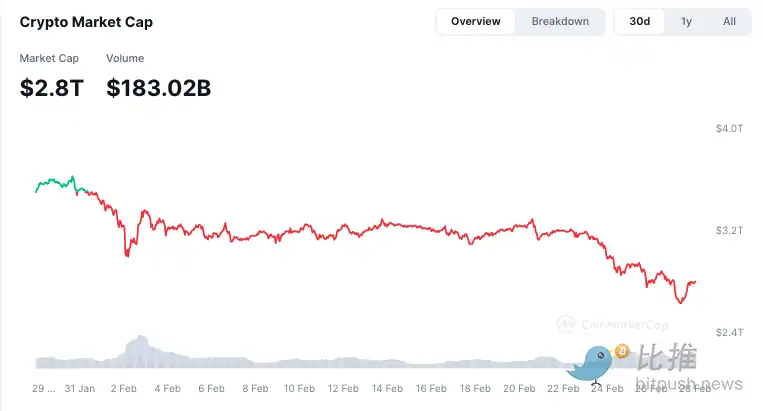
However, these measures were not enough to prevent the recent decline in Bitcoin's price and the overall negative sentiment in the crypto industry. As of the time of writing, the current Bitcoin price is $84,000, having fallen 18% since Donald Trump took office, nearly 23% from its all-time high, and the cryptocurrency's total market capitalization has dropped by 21%.
Kavita Gupta, Founder and General Partner of Delta Blockchain Fund, stated, "It feels like all the positive news in the cryptocurrency space has happened, and the industry's progress seems to be merely a product of a momentary enthusiasm by high-level political figures, lacking proper processes and due diligence... the situation could change at any moment, with sustainability in question."
Currently, three major forces driving the market down may further push it lower before stabilizing and beginning to recover. In fact, the crypto industry may not see sustained bullish momentum again until 2026.
Internal "Backlash"
There are many explanations for the recent decline, with the first being the behavior of cryptocurrency participants themselves.
For example, the industry found itself in an unfavorable position due to multiple meme coin dramas, such as $MELANIA and later $LIBRA, the latter even involving Argentina's President, Javier Milei, in a scandal. Now, the issuance and trading activity of meme coins in the entire industry are on the decline, raising doubts about their long-term sustainability. For instance, the peak number of new tokens issued in a day reached 66,471 on January 24, just six days after $TRUMP was launched. By February 27, the latest date for which full data is available, this number had dropped to 27,741, a 58% decrease.
GSR Research Director Brian Rudick, when discussing this data, stated: "Meme coins were once thought to be the fairest, most efficient form of speculation in the cryptocurrency space, but $LIBRA has shown that this is not the case. Now you see on-chain transaction volumes plummeting, [even though] meme coins are at the forefront, dragging down the entire cryptocurrency space."
Furthermore, the $1.5 billion hack of Bybit by North Korean hackers (the largest theft in cryptocurrency history) has once again raised questions about the safety of investing in cryptocurrency. Gupta pointed out: "These hacking incidents have led the outside world to believe that even after 10 years of development, this industry has not truly matured."
External Headwinds
All this negative sentiment within the industry is being amplified by investors' broader risk aversion.
Typically, a new government’s inauguration boosts consumer confidence, and business leaders initially welcomed Trump's election because of his pro-business mindset. However, multiple new data points show that consumer confidence is waning, possibly due to Trump's threats to impose 25% tariffs on trade partners like Canada, Mexico, and the EU.
The Conference Board's Consumer Confidence Index February report recorded its third consecutive monthly decline, hitting its lowest level since August 2021.
The University of Michigan's Consumer Sentiment Survey also shows a significant drop in consumer confidence. The report stated: "Consumer sentiment continued its decline from earlier in the month, dropping almost 10% from January. This decline is widespread across age, income, and wealth groups."
The report also mentioned: "Expectations for inflation in the next year have risen from 3.3% to 4.3%, the highest level since November 2023, and have seen abnormally large increases for two consecutive months. The current reading is well above the pre-pandemic range of 2.3%-3.0% for the past two years."
Rudick noted: "According to the latest data from the CME Fedwatch tool, the market expects two rate cuts this year. However, if these expectations are completely overshadowed by tariff issues, the traditional market's decline could surpass that of cryptocurrency."
How Low Could Bitcoin Go?
It's difficult to predict with certainty how far Bitcoin could drop from here.
Interactive Brokers Chief Strategist Steve Sosnick stated that even among commodities, Bitcoin is unique. "You know the supply and demand situations of crude oil, coffee, or cocoa. Bitcoin does not have a similar intrinsic demand. Its existence is purely for speculation or investment purposes."
However, Sosnick pointed out several technical charts that can give investors some insight into price levels to watch.
One of these charts is Bitcoin's 200-day simple moving average. At the current price, the asset is nearing its first test of this key indicator since a clear breakout in mid-October of last year. If this scenario occurs and the asset falls below $80,000, Sosnick believes the next threshold will be the "60,000 USDT high/70,000 USDT low range."

Despite investor sentiment being negative, according to the S&P 500 Volatility Index (VIX), the market has not reached a state of full-blown panic yet, with the VIX index still within a normal range over the past 12 months. Sosnick said, "The VIX has not reached extremely high levels, which suggests we may not be out of the woods yet, as rebounds often halt when the VIX spikes."
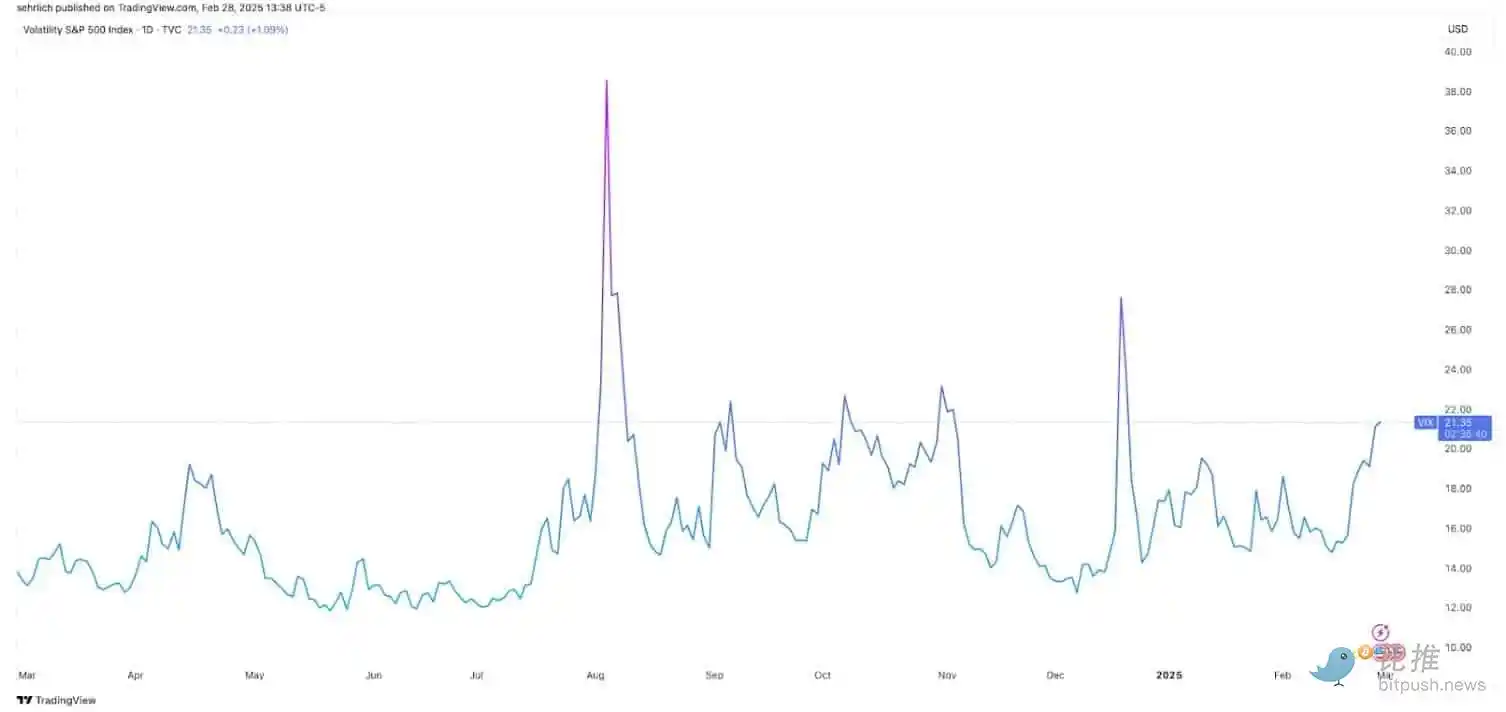
For Bitcoin, this means it may still see a decline as investors have not reached extreme levels of fear. For example, when the Bank of Japan raised interest rates and unwound yen carry trades, the VIX spiked in August; currently, the VIX is well below those levels.
Waiting for the Wind: 2026?
Given all these negative forces impacting Bitcoin's price, the cryptocurrency industry may need to wait until 2026 for Bitcoin and the entire industry to regain significant forward momentum. When asked about what types of internal or external factors could play a role in this process, the answer is twofold: strategic Bitcoin reserves or legislation definitively setting rules for the industry.
While the cryptocurrency community has been eager to build strategic Bitcoin reserves, the White House's executive order is looking to evaluate something different: a federal reserve, where the government would opt to hold Bitcoin acquired through enforcement actions rather than strategic reserves, where the government would purchase new Bitcoin. (However, many states are evaluating their own strategic reserves, though few have made meaningful progress.)
Rudick believes something akin to Bitcoin reserves could be beneficial for the industry, but it is far from guaranteed: "[Reserves have] always struck me as a low likelihood, but I do think Bitcoin easily hits $500,000. Even if we don't obtain it in the form of strategic Bitcoin reserves, I do believe the U.S. could create a sovereign wealth fund and accumulate Bitcoin."
But for Rudick, a more sustainable path of growth is enacting market structure legislation to allow regulated companies to legitimately enter the space, though he believes the industry will have to wait until next year to see meaningful progress: "[Legislation] might not happen until 2026. But in my view, [this is] so crucial because it's what institutional mass adoption needs."
As evidence, he pointed to a recent statement by Brian Moynihan, CEO of Bank of America, who said that if the industry's rules become clearer, his bank, which has been cautious about cryptocurrency, would consider launching a stablecoin. (At least one source close to Washington negotiations believes stablecoin legislation may not even be signed until 2025.)
But before that, the industry needs to stay steady to weather these adverse factors. After all, this sharp swing in investor sentiment is a big part of the risk of investing in cryptocurrency.
Sosnick summed up the current market situation in one sentence: "Market rises usually feel like taking the stairs, but when it falls, it's like taking the elevator. This time Bitcoin took the elevator to the top floor, and now it's taking the elevator back down to the basement. It's a highly volatile asset. If volatility works in your favor, that's great—everyone is happy to accept and enjoy it, but when volatility moves in the opposite direction, that's just too bad."
猜你喜歡

RWA永續產品危機:為什麼GLP模式註定撐不住RWA永續?
第16週鏈上數據:結構性供需失衡加劇,數據揭⽰下⼀輪上漲的堅實藍圖?
Sui Q1進階報告:BTCfi基建崛起、借貸協議爆發與執行分片未來
川普次子的加密生意經
SignalPlus宏觀分析:關稅撕裂的M2敘事與TradFi式FOMO的回歸
懂王簽字後,美國哪些州在「乖乖」推進比特幣戰略儲備法案?
GoRich正式上線:鏈上交易零門檻,新手也能抓住100x Meme幣
PENGU觸底反彈發拉漲360%,胖企鵝如何靠IP行銷迎第二春?
Arthur Hayes最新訪談:漲勢能否持續?誰能跑贏BTC?選幣邏輯是什麼?
專訪AllianceDAO合夥人qw:Crypto創業家正逃向AI,90%的Crypto+AI都是偽命題
穩定幣爭霸戰:六路新銳殺出,市場格局生變?
深入挖掘杜拜的加密夢:幻覺、資本與去中心化帝國
從Cantor到Securitize,幣圈買下華盛頓
「年份」效應下的暗潮:加密基金迎來黎明前的沉默
4月27日市場關鍵情報,你錯過了多少?
WLFI持倉代幣解析:川普家族的加密投資獲利了嗎?
RTFKT「圖片遺失」事件之後Nike遭500萬美元集體訴訟,NFT的未來將何去何從?
4 月 24 日,有人發現曾經的頂級藍籌 NFT 工作室 RTFKT 旗下項目 CloneX 的圖片數據在各大交易平台上都無法顯示,取而代之的是一條標語“此內容已被限制,以這種方式使用 Cloudflare 的基礎服務違反了服務條款”,此事在社區引起熱議。
而在一天之後的 4 月 25 日其母公司 Nike 便被起訴,以澳大利亞居民 Jagdeep Cheema 為首的 RTFKT NFT 購買者在紐約布魯克林聯邦法院提起的一項擬議集體訴訟中表示,在 Nike 突然關閉了這些業務後給他們帶來了重大損失。曾經被 Nike 收購的最強 NFT 潮流 IP 專案為何淪落至此呢?
這個名字因為與人造物的英文“artifact”發音相似而來,同時這個名字也代表著其品牌理念。一開始只是一個以打造「元宇宙的 Nike」為目標的數位運動品牌,而當時隨著越來越多的傳統品牌選擇與 NFT 項目合作,adidas 與 BAYC、PUNKSComic 的聯動也驅使了 RTFKT 和村上隆聯合發行了 CloneX。
而正是這個契機讓加密圈更熟悉這個品牌,而後真正的 Nike 也收購了這個「元宇宙的 Nike」。高達 40 個以上的聯名項目獨霸榜首,從村上隆到 Jeff Staple,從 RIMOWA 到 Nike,幾乎是最炙手可熱的加密圈中的最頂級潮流 IP 之一,
RRTFKT Studio
RTFKT 聯創 Benoit Pagotto 曾經在接受采訪時談到 RTFKT 與傳統行業巨頭相比有哪些優勢時說道:“我們有他們沒有的資源,也就是我們有他們沒有的文化——加密文化。他們不可能會花大量時間、每一天都去學習這些知識。”而加密 KOL 對此諷刺道,Clone 每一天都去學習這些知識。” Cloudflare「儲存小圖片」和手排的荷蘭拍賺到了 1 億美元的銷售額。
而正當以為在 4 年後這個諷刺得到了應驗,無數 Holder 盯著 OpenSea 和 Blur 上可能自己高的“Yhby Clonep.”曾提到的加密文化,即使專案方「Rug」了,只要「Token」還在就有社區自治的可能性。而連圖片本身都消失後,這套邏輯似乎再難自洽。
這場風暴中幾乎是只有一個團隊成員站了出來承擔責任,Samuel Cardillo 宣稱自 4 月初以來,團隊就將 NFT 都去中心化,因此並未選擇與 Cloudflare 而搞錯,超過了!萬美元的合約的到期日,原定 4 月 30 日到期的合約被提前了好幾天。
而事情發生的當下雖然 RTFKT 被高強度“FUD”,但 Samuel 高強度的對線網友以及解決問題的態度贏得了社區的尊重,被稱為“最後一個站著的人”,與之形成鮮明對比的是許諾已久在 X 上發文的
在 RTFKT“丟失圖像”的後一日 Nike 便被提起集體訴訟,事實上在 Crypto 世界“被 Rug”已經屢見不鮮了,但能夠追回屬於自己的資產的卻寥寥無路,而這次集體訴訟主要有幾兩個指控,一號未揭露相關監管風險,違反了美國的證券法。雖然關於 NFT 是否能判定為證券目前還不明朗,但類似關於 NFT 的消費者獲得賠償的案例在此前確有發生。
此前奧尼爾與其兒子邁爾斯·奧尼爾“Myles O'Neal”共同創立並推廣了基於 Solana 區塊鏈的 Astrals NFT 項目,包含 10,000 個 3D 頭像 NFT 設計 Damien Guien。計畫承諾打造一個虛擬世界「Astralverse」,用戶可透過 NFT 進行社交、遊戲等活動,而歐尼爾以「DJ Diesel」的身份在社群以及社群媒體上推廣計畫。
就如同許多 NFT 專案一樣,Astrals 在 FTX 崩盤後價值暴跌。直至 2023 年 5 月,投資者 Daniel Harper 等人提起集體訴訟,指控奧尼爾推廣未註冊證券“Astrals NFT”違反美國證券法,原告稱奧尼爾的明星效應誘導投資。 2024 年 8 月,佛羅裡達聯邦法官 Federico Moreno 裁定,原告合理指控 Astrals NFT 為證券,且奧尼爾作為賣方透過推廣行為吸引投資。 11 月,歐尼爾同意支付 1,100 萬美元和解金,結束訴訟,其中 290 萬美元用於律師費用,其餘賠償 2022 年 5 月至 2024 年 1 月 15 日購買 Astrals NFT 的投資者。
但一些專業人士認為,與奧尼爾「個人」這類項目方不同。因為 NFT 的法律地位仍不明,此次 Nike 的案例可能並不會由違反證券法作為突破口,也可能不會有 500 萬美元的賠償,但無論如何 Nike 公司很有可能會「付點錢」平息眾怒。
儲存 NFT 資料最糟糕的選擇是在 Cloudflare 或亞馬遜這類中心化的伺服器上。如果一個 NFT 專案的元資料和媒體檔案儲存在一個伺服器上,而創建者停止維護該伺服器,那麼該資料將永遠消失,最終使 NFT 成為白板。因此大部分的 NFT 項目會兼顧圖片品質和營運成本選擇 IPFS 和上文中提到的 Arweave。
大部分的項目方最常用的是 IPFS“InterPlanetary File System”,這是一種基於內容尋址的去中心化儲存協議,IPFS 透過檔案本身產生的雜湊值作為唯一,使用者只需憑藉此一串串連內容,即可任意符號。這種方式讓資料不再依賴單一伺服器,天生具備抗審查、抗故障的特性,像水流一樣在全球節點間自由流動。但缺點也很明顯 IPFS 並不自動保證文件的持久存儲,內容是否存在,取決於是否有節點持續保存。因此,許多專案方需要主動「Pin 釘住」文件,或藉助專業服務,確保資料長期可用。
而 RTFKT 團隊宣稱透過 ArDrive 將圖片資料上傳到 Arweave,這是一個去中心化的檔案儲存網絡,和 IPFS 相比它可以保證檔案儲存的持久性。用戶支付一次性費用來支付 200 年「或更久」的儲存成本。 Arweave 網路中的礦工被激勵使用 AR 代幣來複製和儲存其他礦工很少儲存的資料副本。這確保了檔案不會隨著時間的推移而遺失,不需要原始上傳者的持續維護。
Arweave 在 BlockWeave 的結構中儲存數據,每個新的資料區塊都與前一個區塊相連。礦工必須證明他們有機會接觸到這些隨機選擇的歷史區塊,從而挖出新的區塊並獲得獎勵,這確保了較早的區塊被保留下來。
使用 IPFS 或 Arweave 比依靠中心化儲存要好得多,但它仍然需要指向鏈下。將 NFT 元資料和媒體儲存在與 NFT 相同的鏈上是最抗脆弱的方法,但在鏈上儲存資料的成本很高,因此保持元資料在鏈上而媒體資料在鏈下的 NFT 專案方是比較流行的趨勢,但是對加密文化來說,純鏈上的 NFT 社群是必缺的,他們的社群往往也更加強大。
像 Nouns 和 Loot 這樣的 NFT 項目在 SVG 上的以太坊圖像上很早就實現了以太坊圖像。以 Nouns 為例,專案使用自訂的遊程編碼「RLE」對每個影像部分進行無損壓縮,並將壓縮資料直接儲存在鏈上,透過這種方式無需依賴外部指標「如 IPFS 等」。隨後,這些壓縮資料被解碼為中間格式,並透過鏈上批次字串拼接產生 SVG 矩形集合,最終構成完整的 SVG 影像,再進行 base64 編碼。
儘管相當複雜,並且此類 SVG 的圖像上傳 Azuki 或 CloneX 這類高精度的 NFT 比較不現實,但這並不影響“鏈上”NFT 的魅力,他們往往超過了 NFT 本身,而是代表了某種文化或者社區力量,像是 Nouns DAO 致力於構建身份、社區
而 Loot 的創始人 Dom Hofmann 曾是 Vine 的聯創,他的一個副業中是創建一個基於文本的冒險遊戲,它也叫 Loot。而開發過程中他編寫了一個隨機物品產生器,一個可以返回各種武器、盔甲和配件名稱的軟體,這便是 Loot 的誕生。
在 Loot 專案中,影像以 SVG 格式直接嵌入智能合約,透過 tokenURI 返回,且可以根據鏈上資料動態變化,同樣實現了完全鏈上、動態生成的特性。
他的呈現模式也許十分十分簡單,僅是文字和簡單的圖形,但他背後的意義卻更有深度。 Dom 曾經被問道,為建立一個世界,誰會無償做出多少貢獻呢?他回答「歸根結底,這些只是清單上的項目。這只是人們如何看待它、如何賦予它價值。而價值不一定是一個用美元計量的金額,它可以是許多東西。」如他所說 Loot 概念影響到了 NFT 與 Crypto Game,現在還在活躍的 Smol 背後的 Treasure DAO 便是從這個概念應運而生的。
在此次 RTFKT 事件發生時,社區內出現最多的聲音便是,這件事利好 Ordinals。 Ordinals 被認為不同於大部分以太坊的 NFT,是完全上鍊的。
比特幣上的 Ordinals 協定透過 Taproot 腳本路徑,將圖像、文字等資料直接寫入交易中,將資料「銘刻 Inscription」進「聰 Satoshi」裡,並透過對 Satoshi 單位進行編號,使每一個 Satoshi 都具備獨一無二的身份。透過這種方式讓 Ordinals 的資料完全儲存在比特幣區塊鏈上,不過這同時也帶來了高昂的儲存成本和資料大小受限的問題。
也因為儲存成本的高昂以及儲存資料受限,BTC 的 NFT 生態更加獨具一格,相比於以太坊功能性或 DAO 組織的模式,BTCNFT 中的「生存者」,是依靠更深度的「文化」傳承。不管是前陣子以 0.2 BTC 的超高髮售價發行的 Taproot Wizard 背後傳承的自 2013 年的比特幣社區廣告《Magic Internet Money Wizard》,還是 NodeMonkes 作為第一個原始 10K 比特幣 NFT。
延伸閱讀:《一文解析比特幣 memeNFT,光頭巫師 Taproot Wizard 在致敬和表達什麼? 》
在這個時代還在堅持做 NFT 的專案方幾乎寥寥無幾,而也沒有人知道下個時代 NFT 會變成何種形式。他會是「證券」?所有權證明?亦或獨立的 AI Agent?有別於 Memecoin,只需要合約在鏈上可供交易社群便能「肆意發展」。對非同質化貨幣來說,無論他僅僅是一張圖片 IP 還是功能性「收據」,元資料的所有權都無比重要。這次的事件是個警鐘,不論對專案方或參與者而言皆是如此。


 App
App