

After a 92% Drawdown, How Did He Achieve 13x Returns?

Original Article Title: Lessons From a Crypto Trader Who Lost It All
Original Article Author: hitesh.eth, Founder of the data analytics platform DYθR
Original Article Translation: DeepSeek
Editor's Note: The article tells the story of a cryptocurrency trader's experience and journey through volatile market conditions. He experienced multiple losses, liquidations, and wrong trading decisions, even having to sell personal items to make ends meet. Through continuous failures, the author gradually recognized the importance of skill and risk management. However, market manipulation and the COVID crash once again put him in a difficult situation. Despite eventually achieving his financial goals, he deeply realized that the market not only changed his financial situation but also completely reshaped his mindset and soul.
Below is the original content (slightly edited for readability):
That year, I checked my phone and found the media everywhere reporting the end of Bitcoin mining. The Bitcoin price, after holding strong for eight months, finally broke below the $6,000 support level. The price plummeted to below $5,000, and with each drop, my fear intensified. That once reassuring strong support level—now just an illusion—finally began to crumble.
I opened my altcoin investment portfolio—it had dropped about 92% from its January high. I stared at the screen, feeling a tightness in my chest. What was once a sea of green in my portfolio was now a sea of blood red. My stomach twisted with fear.
A few months ago, I bought a house, and with each market drop, the heavy burden of those monthly payments made it harder for me to breathe. I had sold at a loss to meet these payments and convinced myself it was okay because the bull market would return.
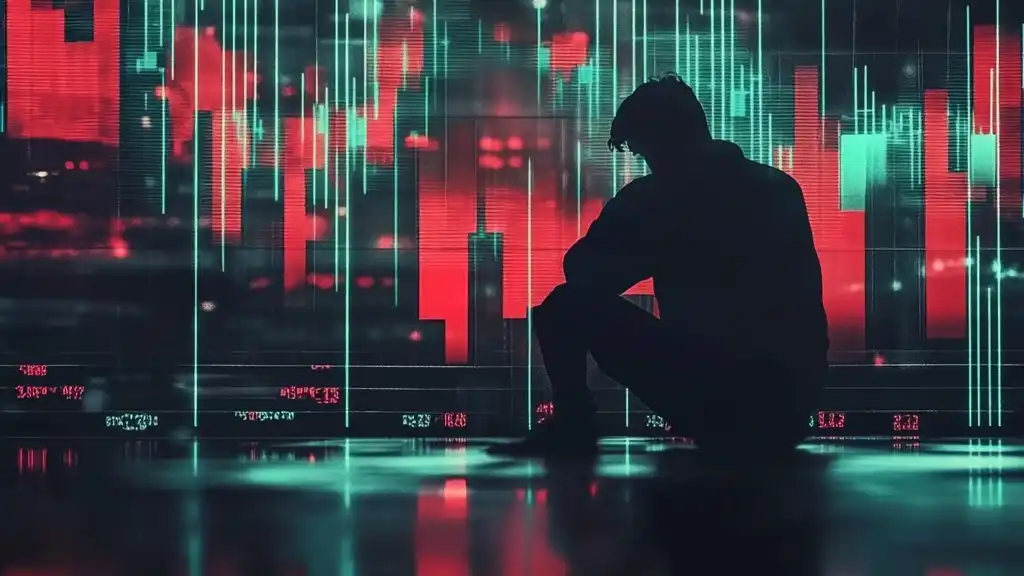
That was my plan—to weather this storm, make enough money, and buy more houses when the market turned around. But things didn't go according to plan. The plan seemed to fail. The storm didn't pass—it was engulfing me. That's when I realized, the market won't care about your plan. It won't care if you have bills to pay or dreams to chase. It operates in its own way, and the more you try to force it, the more it will make you yield.
I was driving back home, an eight-hour journey, but my mind wasn't there. My body was driving, but my thoughts were trapped in the cryptocurrency market, unable to detach.

The road ahead blurred in my mind, thoughts spiraling incessantly. Every few minutes, I would check the price, hoping to see some upward movement—any sign that could calm the storm within me. But the numbers just kept falling. My throat was parched, uncertainty gnawing at me.
What if this is the ending?
What if I can't salvage it?
What if I can't pay the bill?
The future suddenly became a huge question mark, and I have no answers. That car ride made me realize that fear can cloud your judgment. The longer you sit in uncertainty, the more you become a prisoner of your own anxiety. And when you transact out of fear, you're no longer transacting — you're just reacting.
My mind, desperate to escape this suffocating uncertainty, began to play tricks on me. It gave me a plan — irrational though persuasive. A voice in my head whispered: sell all your altcoins, buy HOT (Holochain). It's defying the trend, getting more and more popular.
Despite the overall weak price action, HOT is showing strong growth. It's a cheap low-cap coin, everyone on Twitter is talking about it. Coins like this are the path to 100x gains — I've seen it before.
My heart raced with hope. Maybe this is the opportunity. Maybe I can turn things around. I allowed myself to believe this was the answer. I envisioned HOT going parabolic, my portfolio flipping 5x from the bottom, and me getting back in the game. It was enough to hold me tight. The hope of a dopamine-fueled future made me feel alive again. But in reality, hope is not a strategy.
It's a drug that blinds you to reality. I bought HOT because I wanted to believe, not because it was a rational trade. What I sought was redemption, not returns.
But my mind didn't fully buy into this decision — I just hadn't realized it yet. It wasn't until I found myself selling my position in less than six hours after buying that I understood. Bitcoin dropped again, fear made me weak. I sold my HOT, losing more money. A few days later, HOT surged as I'd hoped — reaching the expected 5x. But by then, I had converted everything back to BTC and moved it to NEXO.
I was desperate. I borrowed more money against my BTC holdings to play BitMEX futures, trying to catch the bottom. This maneuver made me realize that changing plans mid-trade is simply panic in disguise. You make yourself believe you're being flexible, but you're just spinning your wheels under the drive of fear.
At that time, Bitcoin was hovering around $4000. Everyone started shouting "this is the bottom." Twitter was filled with tweets about "generational buys." I clung tightly to this hope. But the bottom had not arrived. The price slid to $3000. My long position got liquidated, and suddenly, fear was no longer distant — it was right at my neck.
I felt the blood drain from my face. My BTC collateral on NEXO was in jeopardy. The thought of losing my collateral made my hands turn cold. I couldn't afford to lose everything. So, I used the remaining BTC to pay off the loan, licking my wounds. Now, I was BTC-scarce, the market had stripped me of all rationality. Instead of walking away, my brain told me to double down. Revenge trading became my new faith.
And so, I took out a $10,000 instant loan, buying in at the absolute bottom of $3,300. This was my last chance. The plan was crystal clear: hold BTC for 12 months. Just hold. I was confident it would rise to $10,000, giving me a 3x return. But within hours, I abandoned the plan. I couldn't sit still. The desperation to quickly recoup losses overwhelmed the patience I needed.
I put all 3 BTC into BitMEX, opened a 10x leveraged long position at $3,500. The market didn't care about my hopes. The price plummeted once again. I lost it all. It was then that I realized you can't recover losses through shortcuts. No amount of leverage or doubling down can undo your mistake. It will only make you fall faster.
My brain refused to accept the losses. It kept pushing me back into trading. You can make it back. That was the voice in my head. Every trade I made on BitMEX during that time was at 10x leverage. I thought it was low—because Twitter had reshaped my perception.
People posted screenshots of 50-100x leveraged trades, making 10x seem like a "safe bet." I painfully realized that perception was a dangerous illusion. Just because 10x was lower than 50x didn't mean it was safe—it just slowed the bleeding.
When I switched to cross leverage, I had no idea how to mitigate risks. I put 100% of my funds into every trade. Each time, I got liquidated. Each time, I cursed cross leverage as a scam. Later, I realized it was my lack of knowledge—my inability to manage risk. That's when I understood that ignorance was the real scam. Not the platform's issue—but my recklessness.
I was losing money every day. I started selling personal items just to get through the next few weeks. My life was being consumed by the losses. Then one day, when I was broke and hope was fading, I made a decision—I needed to seriously learn Technical Analysis (TA). I spent several nights studying charts, patterns, and indicators.
I hardly slept. But knowledge alone wasn't enough—I needed funds to trade. So, I joined the global trading competition hosted by Blockchain Whispers. The top trader with the highest ROI within a month would win 1 BTC. While mostly a simulated trade, I treated it as a matter of life and death.
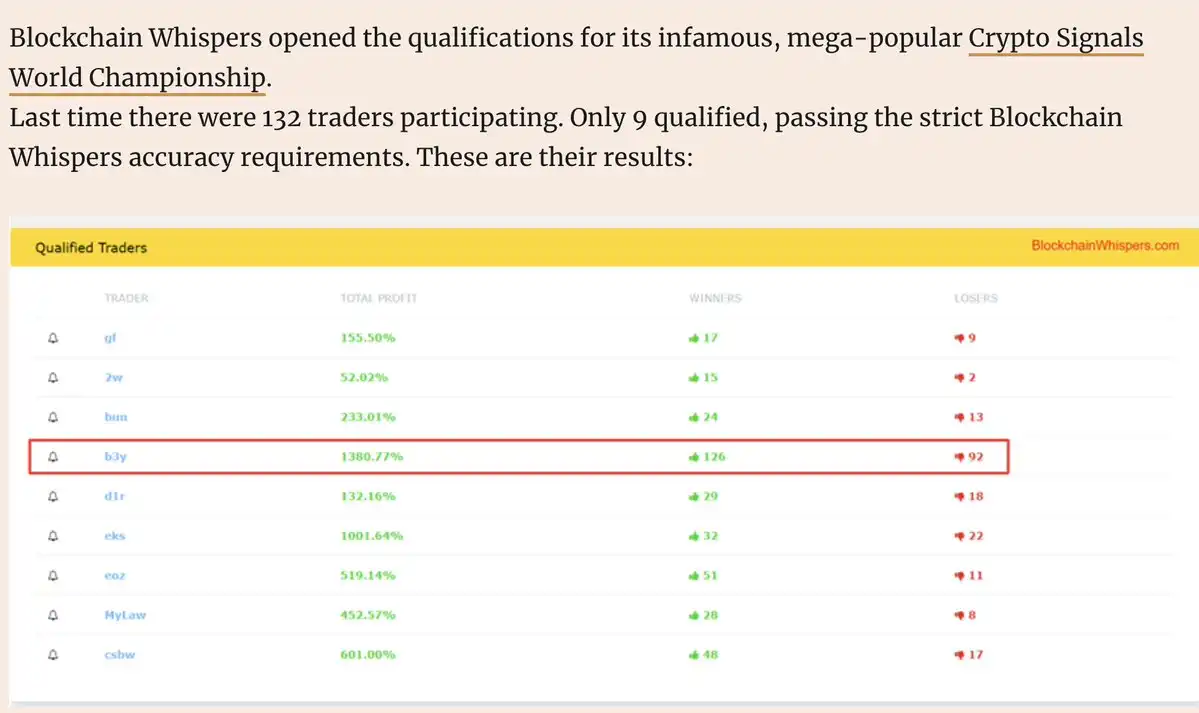
My mind is razor-sharp. I execute every trade with sniper-like precision. I 13x-ed my initial capital in a month, winning a 1 BTC reward. Skill is the only thing that truly gives you an edge. Luck runs out, but skill doesn't.
That 1 BTC was a relief. I could finally breathe. Weeks later, I needed to make a $30,000 mortgage payment, giving me a fighting chance. I made a slew of trades with that 1 BTC.
The market started trending up again. I traded EOSBTC, earning a few more BTC during its upward swing. I used those profits to cover the remaining mortgage payment. By early 2019, I was back in the game.
I felt untouchable. The winning streak gave me an intangible confidence. I convinced myself that I was now a top futures trader. The losses that once haunted me gradually faded into the background. I had paid off those seemingly insurmountable debts.
Then, Bitcoin skyrocketed 40% in two days. My heart raced—I thought ATH was inevitable. But it was all a trap. The market crashed back to $6000. Manipulation was at its peak. BitMEX was liquidating users daily due to system "errors"—I likely lost at least 20 BTC because I couldn't close positions during those platform "errors" that froze up during high volatility.
BitMEX was manipulating the market. We all knew, but we tolerated it—we had no choice. Binance Futures didn't exist back then. When Binance finally launched futures, we all migrated over. Better user experience, but manipulation still existed. Volume dropped, the timeline became blurred. The market entered a lull.
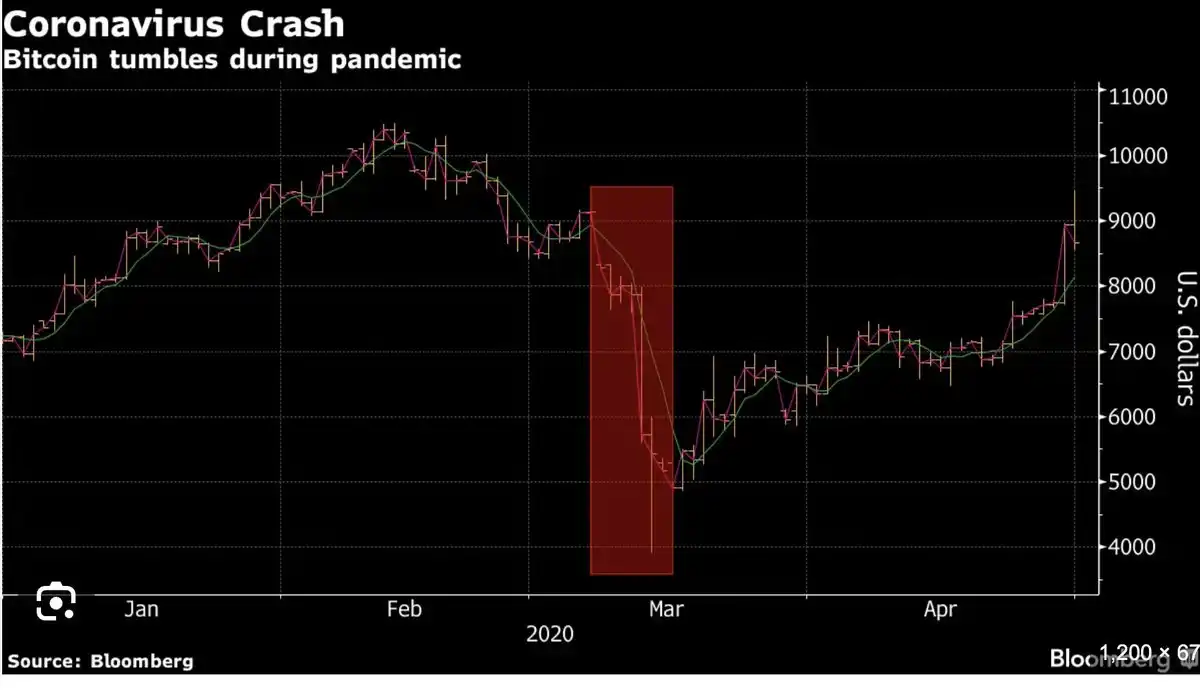
Then came the epic collapse, BTC lost 40% of its value overnight. It wiped out countless cryptocurrency traders. Most never returned.
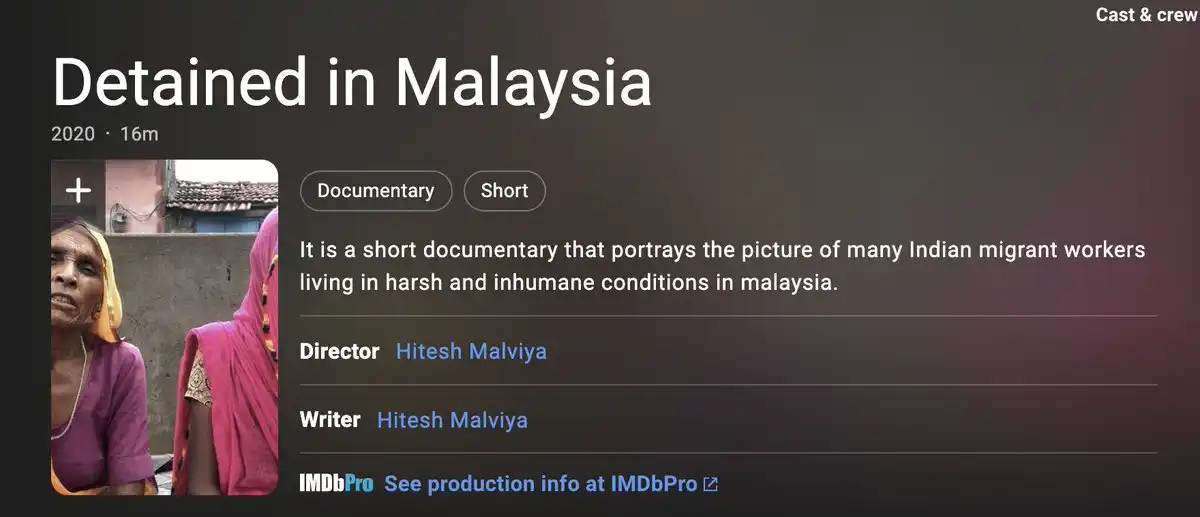
I too planned to leave. I even did leave for a while. I spent months as a filmmaker. I shot a documentary, gained acclaim, and even penned a movie script. I wanted to direct it, but no one was willing to fund a newcomer.
So, I returned to the cryptocurrency market. Not for thrills—but for money. For making my movie. I had no choice. It took me four years to finally earn enough to realize my dream. Four years of market cycles, endless patience, and experiences that pained me, reshaped me, and tested every ounce of my resilience.
I succeeded. But I am no longer the same trader I used to be.
The market not only took my money—it also reshaped my soul.
猜你喜歡
RWA永續產品危機:為什麼GLP模式註定撐不住RWA永續?
第16週鏈上數據:結構性供需失衡加劇,數據揭⽰下⼀輪上漲的堅實藍圖?
Sui Q1進階報告:BTCfi基建崛起、借貸協議爆發與執行分片未來
川普次子的加密生意經
SignalPlus宏觀分析:關稅撕裂的M2敘事與TradFi式FOMO的回歸
懂王簽字後,美國哪些州在「乖乖」推進比特幣戰略儲備法案?
PENGU觸底反彈發拉漲360%,胖企鵝如何靠IP行銷迎第二春?
Arthur Hayes最新訪談:漲勢能否持續?誰能跑贏BTC?選幣邏輯是什麼?
專訪AllianceDAO合夥人qw:Crypto創業家正逃向AI,90%的Crypto+AI都是偽命題
穩定幣爭霸戰:六路新銳殺出,市場格局生變?
深入挖掘杜拜的加密夢:幻覺、資本與去中心化帝國
「年份」效應下的暗潮:加密基金迎來黎明前的沉默
WLFI持倉代幣解析:川普家族的加密投資獲利了嗎?
RTFKT「圖片遺失」事件之後Nike遭500萬美元集體訴訟,NFT的未來將何去何從?
4 月 24 日,有人發現曾經的頂級藍籌 NFT 工作室 RTFKT 旗下項目 CloneX 的圖片數據在各大交易平台上都無法顯示,取而代之的是一條標語“此內容已被限制,以這種方式使用 Cloudflare 的基礎服務違反了服務條款”,此事在社區引起熱議。
而在一天之後的 4 月 25 日其母公司 Nike 便被起訴,以澳大利亞居民 Jagdeep Cheema 為首的 RTFKT NFT 購買者在紐約布魯克林聯邦法院提起的一項擬議集體訴訟中表示,在 Nike 突然關閉了這些業務後給他們帶來了重大損失。曾經被 Nike 收購的最強 NFT 潮流 IP 專案為何淪落至此呢?
這個名字因為與人造物的英文“artifact”發音相似而來,同時這個名字也代表著其品牌理念。一開始只是一個以打造「元宇宙的 Nike」為目標的數位運動品牌,而當時隨著越來越多的傳統品牌選擇與 NFT 項目合作,adidas 與 BAYC、PUNKSComic 的聯動也驅使了 RTFKT 和村上隆聯合發行了 CloneX。
而正是這個契機讓加密圈更熟悉這個品牌,而後真正的 Nike 也收購了這個「元宇宙的 Nike」。高達 40 個以上的聯名項目獨霸榜首,從村上隆到 Jeff Staple,從 RIMOWA 到 Nike,幾乎是最炙手可熱的加密圈中的最頂級潮流 IP 之一,
RRTFKT Studio
RTFKT 聯創 Benoit Pagotto 曾經在接受采訪時談到 RTFKT 與傳統行業巨頭相比有哪些優勢時說道:“我們有他們沒有的資源,也就是我們有他們沒有的文化——加密文化。他們不可能會花大量時間、每一天都去學習這些知識。”而加密 KOL 對此諷刺道,Clone 每一天都去學習這些知識。” Cloudflare「儲存小圖片」和手排的荷蘭拍賺到了 1 億美元的銷售額。
而正當以為在 4 年後這個諷刺得到了應驗,無數 Holder 盯著 OpenSea 和 Blur 上可能自己高的“Yhby Clonep.”曾提到的加密文化,即使專案方「Rug」了,只要「Token」還在就有社區自治的可能性。而連圖片本身都消失後,這套邏輯似乎再難自洽。
這場風暴中幾乎是只有一個團隊成員站了出來承擔責任,Samuel Cardillo 宣稱自 4 月初以來,團隊就將 NFT 都去中心化,因此並未選擇與 Cloudflare 而搞錯,超過了!萬美元的合約的到期日,原定 4 月 30 日到期的合約被提前了好幾天。
而事情發生的當下雖然 RTFKT 被高強度“FUD”,但 Samuel 高強度的對線網友以及解決問題的態度贏得了社區的尊重,被稱為“最後一個站著的人”,與之形成鮮明對比的是許諾已久在 X 上發文的
在 RTFKT“丟失圖像”的後一日 Nike 便被提起集體訴訟,事實上在 Crypto 世界“被 Rug”已經屢見不鮮了,但能夠追回屬於自己的資產的卻寥寥無路,而這次集體訴訟主要有幾兩個指控,一號未揭露相關監管風險,違反了美國的證券法。雖然關於 NFT 是否能判定為證券目前還不明朗,但類似關於 NFT 的消費者獲得賠償的案例在此前確有發生。
此前奧尼爾與其兒子邁爾斯·奧尼爾“Myles O'Neal”共同創立並推廣了基於 Solana 區塊鏈的 Astrals NFT 項目,包含 10,000 個 3D 頭像 NFT 設計 Damien Guien。計畫承諾打造一個虛擬世界「Astralverse」,用戶可透過 NFT 進行社交、遊戲等活動,而歐尼爾以「DJ Diesel」的身份在社群以及社群媒體上推廣計畫。
就如同許多 NFT 專案一樣,Astrals 在 FTX 崩盤後價值暴跌。直至 2023 年 5 月,投資者 Daniel Harper 等人提起集體訴訟,指控奧尼爾推廣未註冊證券“Astrals NFT”違反美國證券法,原告稱奧尼爾的明星效應誘導投資。 2024 年 8 月,佛羅裡達聯邦法官 Federico Moreno 裁定,原告合理指控 Astrals NFT 為證券,且奧尼爾作為賣方透過推廣行為吸引投資。 11 月,歐尼爾同意支付 1,100 萬美元和解金,結束訴訟,其中 290 萬美元用於律師費用,其餘賠償 2022 年 5 月至 2024 年 1 月 15 日購買 Astrals NFT 的投資者。
但一些專業人士認為,與奧尼爾「個人」這類項目方不同。因為 NFT 的法律地位仍不明,此次 Nike 的案例可能並不會由違反證券法作為突破口,也可能不會有 500 萬美元的賠償,但無論如何 Nike 公司很有可能會「付點錢」平息眾怒。
儲存 NFT 資料最糟糕的選擇是在 Cloudflare 或亞馬遜這類中心化的伺服器上。如果一個 NFT 專案的元資料和媒體檔案儲存在一個伺服器上,而創建者停止維護該伺服器,那麼該資料將永遠消失,最終使 NFT 成為白板。因此大部分的 NFT 項目會兼顧圖片品質和營運成本選擇 IPFS 和上文中提到的 Arweave。
大部分的項目方最常用的是 IPFS“InterPlanetary File System”,這是一種基於內容尋址的去中心化儲存協議,IPFS 透過檔案本身產生的雜湊值作為唯一,使用者只需憑藉此一串串連內容,即可任意符號。這種方式讓資料不再依賴單一伺服器,天生具備抗審查、抗故障的特性,像水流一樣在全球節點間自由流動。但缺點也很明顯 IPFS 並不自動保證文件的持久存儲,內容是否存在,取決於是否有節點持續保存。因此,許多專案方需要主動「Pin 釘住」文件,或藉助專業服務,確保資料長期可用。
而 RTFKT 團隊宣稱透過 ArDrive 將圖片資料上傳到 Arweave,這是一個去中心化的檔案儲存網絡,和 IPFS 相比它可以保證檔案儲存的持久性。用戶支付一次性費用來支付 200 年「或更久」的儲存成本。 Arweave 網路中的礦工被激勵使用 AR 代幣來複製和儲存其他礦工很少儲存的資料副本。這確保了檔案不會隨著時間的推移而遺失,不需要原始上傳者的持續維護。
Arweave 在 BlockWeave 的結構中儲存數據,每個新的資料區塊都與前一個區塊相連。礦工必須證明他們有機會接觸到這些隨機選擇的歷史區塊,從而挖出新的區塊並獲得獎勵,這確保了較早的區塊被保留下來。
使用 IPFS 或 Arweave 比依靠中心化儲存要好得多,但它仍然需要指向鏈下。將 NFT 元資料和媒體儲存在與 NFT 相同的鏈上是最抗脆弱的方法,但在鏈上儲存資料的成本很高,因此保持元資料在鏈上而媒體資料在鏈下的 NFT 專案方是比較流行的趨勢,但是對加密文化來說,純鏈上的 NFT 社群是必缺的,他們的社群往往也更加強大。
像 Nouns 和 Loot 這樣的 NFT 項目在 SVG 上的以太坊圖像上很早就實現了以太坊圖像。以 Nouns 為例,專案使用自訂的遊程編碼「RLE」對每個影像部分進行無損壓縮,並將壓縮資料直接儲存在鏈上,透過這種方式無需依賴外部指標「如 IPFS 等」。隨後,這些壓縮資料被解碼為中間格式,並透過鏈上批次字串拼接產生 SVG 矩形集合,最終構成完整的 SVG 影像,再進行 base64 編碼。
儘管相當複雜,並且此類 SVG 的圖像上傳 Azuki 或 CloneX 這類高精度的 NFT 比較不現實,但這並不影響“鏈上”NFT 的魅力,他們往往超過了 NFT 本身,而是代表了某種文化或者社區力量,像是 Nouns DAO 致力於構建身份、社區
而 Loot 的創始人 Dom Hofmann 曾是 Vine 的聯創,他的一個副業中是創建一個基於文本的冒險遊戲,它也叫 Loot。而開發過程中他編寫了一個隨機物品產生器,一個可以返回各種武器、盔甲和配件名稱的軟體,這便是 Loot 的誕生。
在 Loot 專案中,影像以 SVG 格式直接嵌入智能合約,透過 tokenURI 返回,且可以根據鏈上資料動態變化,同樣實現了完全鏈上、動態生成的特性。
他的呈現模式也許十分十分簡單,僅是文字和簡單的圖形,但他背後的意義卻更有深度。 Dom 曾經被問道,為建立一個世界,誰會無償做出多少貢獻呢?他回答「歸根結底,這些只是清單上的項目。這只是人們如何看待它、如何賦予它價值。而價值不一定是一個用美元計量的金額,它可以是許多東西。」如他所說 Loot 概念影響到了 NFT 與 Crypto Game,現在還在活躍的 Smol 背後的 Treasure DAO 便是從這個概念應運而生的。
在此次 RTFKT 事件發生時,社區內出現最多的聲音便是,這件事利好 Ordinals。 Ordinals 被認為不同於大部分以太坊的 NFT,是完全上鍊的。
比特幣上的 Ordinals 協定透過 Taproot 腳本路徑,將圖像、文字等資料直接寫入交易中,將資料「銘刻 Inscription」進「聰 Satoshi」裡,並透過對 Satoshi 單位進行編號,使每一個 Satoshi 都具備獨一無二的身份。透過這種方式讓 Ordinals 的資料完全儲存在比特幣區塊鏈上,不過這同時也帶來了高昂的儲存成本和資料大小受限的問題。
也因為儲存成本的高昂以及儲存資料受限,BTC 的 NFT 生態更加獨具一格,相比於以太坊功能性或 DAO 組織的模式,BTCNFT 中的「生存者」,是依靠更深度的「文化」傳承。不管是前陣子以 0.2 BTC 的超高髮售價發行的 Taproot Wizard 背後傳承的自 2013 年的比特幣社區廣告《Magic Internet Money Wizard》,還是 NodeMonkes 作為第一個原始 10K 比特幣 NFT。
延伸閱讀:《一文解析比特幣 memeNFT,光頭巫師 Taproot Wizard 在致敬和表達什麼? 》
在這個時代還在堅持做 NFT 的專案方幾乎寥寥無幾,而也沒有人知道下個時代 NFT 會變成何種形式。他會是「證券」?所有權證明?亦或獨立的 AI Agent?有別於 Memecoin,只需要合約在鏈上可供交易社群便能「肆意發展」。對非同質化貨幣來說,無論他僅僅是一張圖片 IP 還是功能性「收據」,元資料的所有權都無比重要。這次的事件是個警鐘,不論對專案方或參與者而言皆是如此。
對話Vitalik:探索以太坊2025願景,POS、L2、密碼學與AI的整合創新
本週回顧 | 川普將為TRUMP持有者舉辦晚宴;馬斯克與美國財政部長在白宮爆發激烈爭吵
加密市場情緒回暖,MCP成為AI賽道新標向


 App
App